Bill Bennett: Reporter's Notebook


Apple discontinues FineWoven phone cases

Apple discontinues FineWoven phone cases
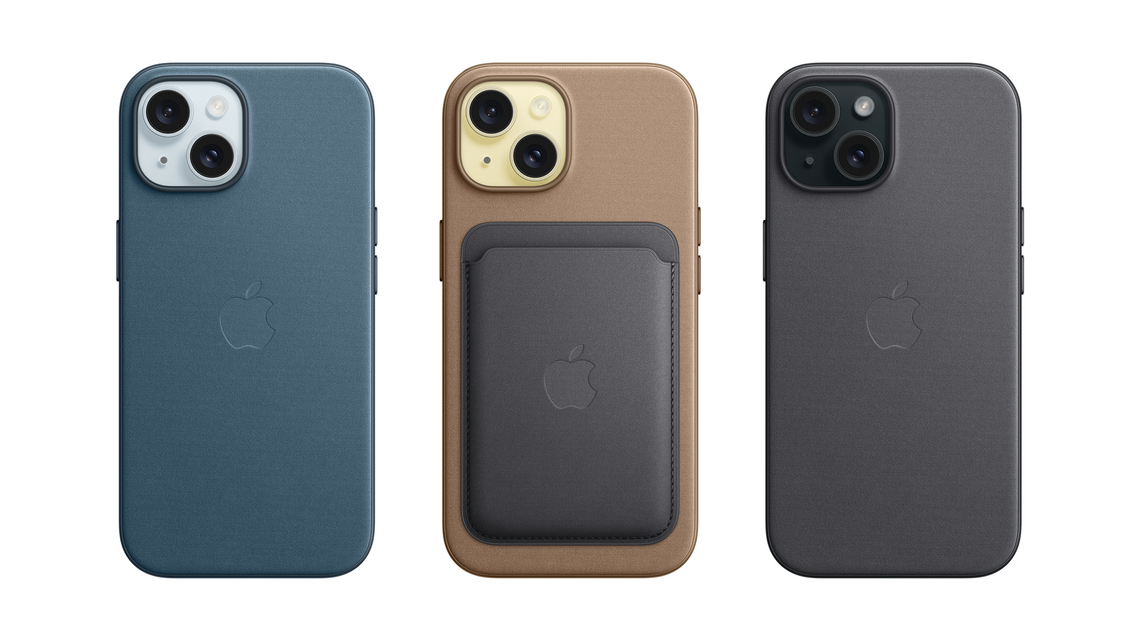
Apple FineWoven phone cases.

FineWoven was a rare misstep for Apple. It was a brand name for what Apple generously described as a ‘premium’ material used to replace leather on phone cases and other accessories.

Apple has stopped using it for phone cases. If you want an Apple branded case for a new iPhone 16, you’ll have to make do with one made of silicone or plastic.

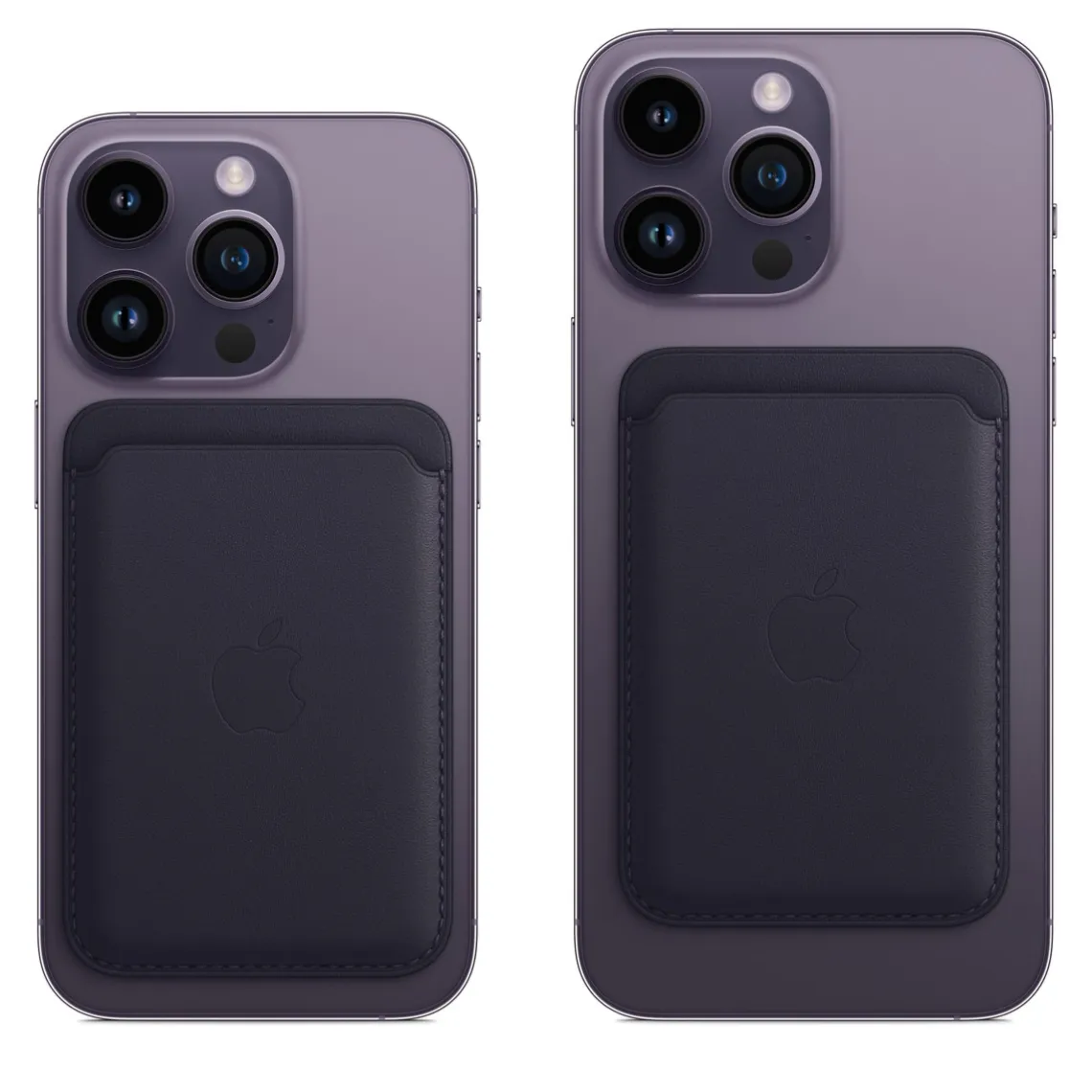
The FineWoven MagSafe Wallet lives on for now, but, presumably. once stocks are sold, any replacement will use a different material. And Apple continues to sell Watch straps, or what it calls Watch bands, made from the material.

Leather replacement

FineWoven was noble enough idea, by replacing leather with the largely recycled FineWoven material, Apple could reduce its carbon footprint. We can assume the carbon footprint will go back up if it is replaced by plastic.

Reviewers, myself included, gave FineWoven a drubbing.

In hindsight my review was fair, but incomplete. The testing I reported was genuine enough, but in the weeks after my test, the stains and the material didn’t get any worse.

That said, I soon stopped using the case and continued with a naked iPhone 15. The phone never came to any harm with or without the FineWoven case.

Leather remains the best material for phone cases

While plastic and silicone cases appear to be popular, they are nothing like as good as a leather phone cases. Every time I’ve had a leather phone case it has outlasted the phone. The material more robust and looks better. It’s that simple.

In my experience silicone cases aren’t great either. I’ve had the layers of the material peel away making them ugly to look at. Apple’s decision to move away from leather cases has left the market wide open for third party case makers. It’ll be interesting to see if Apple does a U-turn and returns to selling leather cases.

Sky-Blue M4 MacBook Air review: better, faster and $50 cheaper

The 2025 MacBook Air M4 handles Logic Pro and other demanding apps with ease, making it a surprisingly capable choice at NZ$2400. This was originally posted in May 2025.

2025 MacBook Air M4
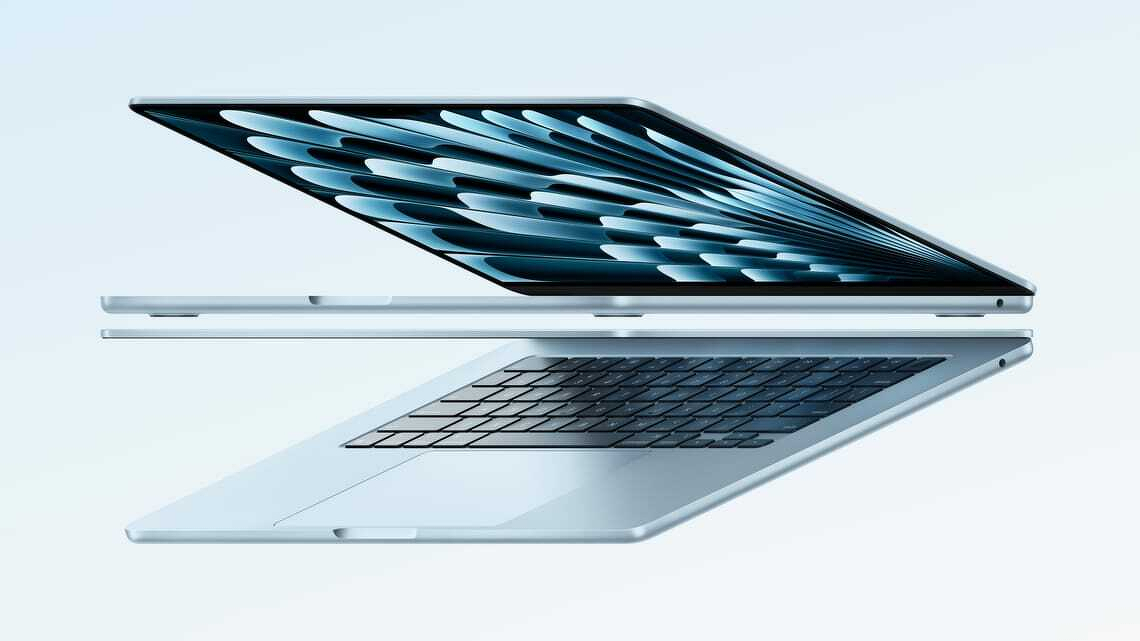
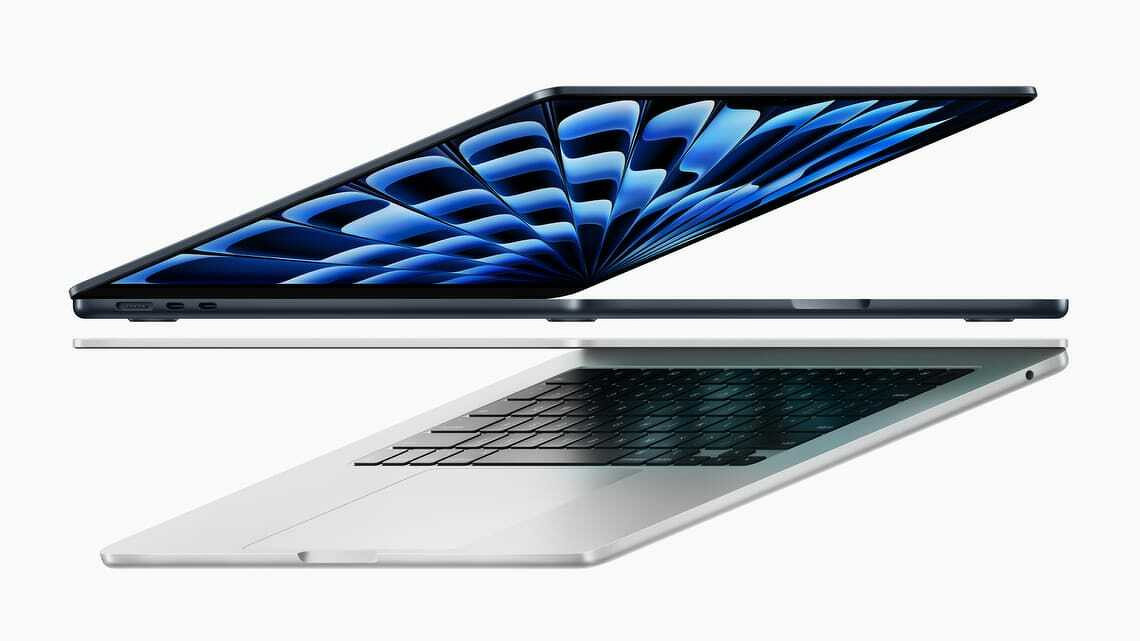
The 2025 MacBook Air M4 has a familiar design but adds a new sky blue colour option.
Component MacBook Air M4 (2025/2026)
Processor Apple M4 (10-core CPU / 10-core GPU)
Base RAM 16GB Unified Memory (Configurable to 32GB)
Display 13.6" Liquid Retina (2560 x 1664), 500 nits
External Monitors Up to 2 external displays (with lid open)
Webcam 12MP Center Stage (with Desk View support)
Price (NZD) From $2000 for a model with 16GB Ram, 256GB storage.

Basics

Apple sent a review model 13-inch MacBook Air with 16GB of RAM and 512GB of storage. This configuration sells in New Zealand for $2400.

I used it as my daily work computer for four weeks. The biggest change isn’t raw performance, but how quietly and consistently it handles everyday work.

From the outside, it’s indistinguishable from the 2023 or 2024 models apart from the pale metallic finish. Apple calls this colour “sky blue”, replacing space grey.

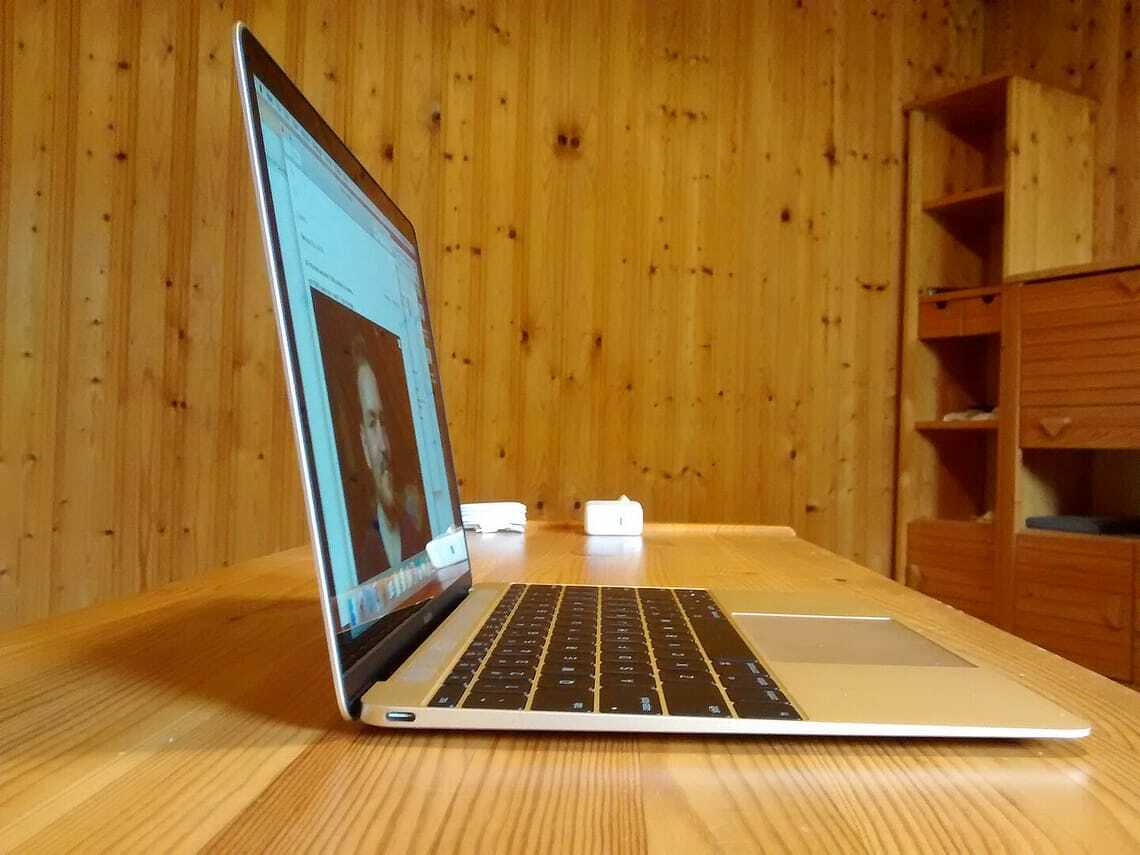
Otherwise, nothing has changed. It’s thin, light and solidly built. The ports, screen, keyboard and trackpad are all carried over. There was nothing to fix.

Apple doesn’t mess with a formula that works.

Screen nit-picking

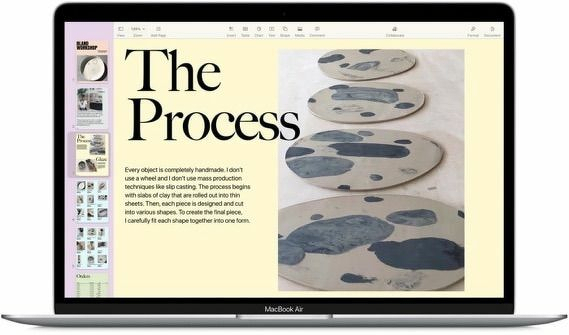
The 13-inch Liquid Retina display is excellent. At 2560 × 1664 pixels, text is crisp and colours are vivid. Photos and video both look great.

Apple sticks with a 60Hz refresh rate. MacBook Pro models offer 120Hz, which is smoother, but for most users it’s a nice-to-have rather than essential.

If you’re gaming at high frame rates or scrubbing video timelines all day, the Pro still makes more sense.

Fewer pixels than the MacBook Pro

The Air has fewer pixels than the MacBook Pro’s 3024 × 1964 display, and it’s slightly smaller at 13.6 inches versus 14.2 inches.

Brightness is also lower: 500 nits compared to the Pro’s 1000 nits sustained (1600 peak). On paper that sounds significant, but in practice the Air is bright enough for almost any job.

During testing I had cataract surgery. Beforehand I needed higher brightness, which hit battery life. Afterwards, I could turn it down. That’s not a typical benchmark, but it did underline how usable the display is across conditions.

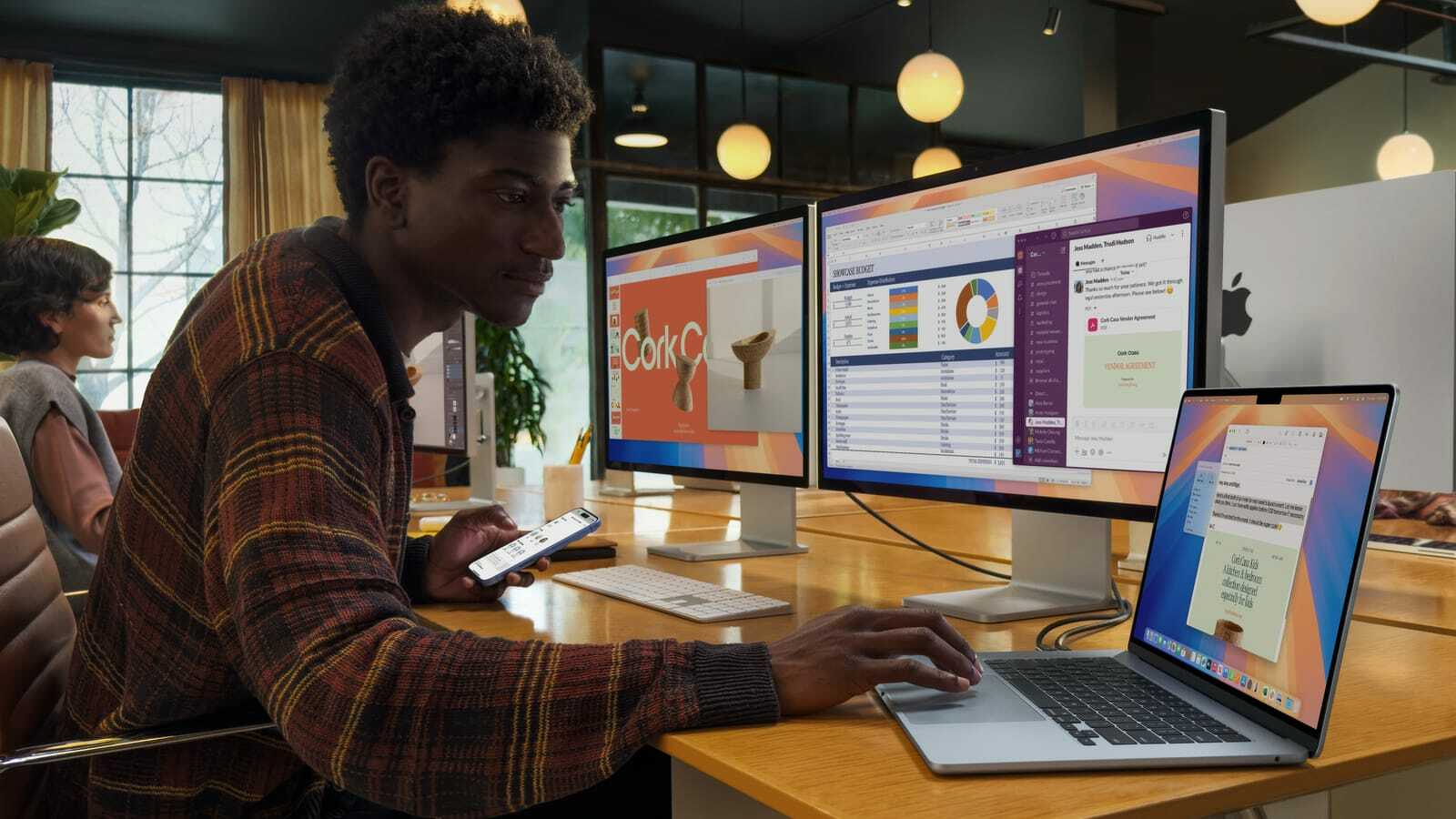
If one screen isn’t enough, the M4 Air now supports two external displays while the lid remains open.

If the laptop screen is not enough, you can now run two external monitors from the MacBook Air while the computer’s lid is open.

Keyboard, trackpad and ports

You’ll struggle to find a better laptop keyboard. As someone who types all day, I find the MacBook Air the best laptop for writing.

At the top right, the power button doubles as a Touch ID sensor. It’s fast, reliable and works for logins, passwords and payments.

Competitors come close on keyboards, but Apple’s trackpad remains unmatched. It’s precise, fluid and natural.

Ports are unchanged: MagSafe for charging, two USB-C ports and a headphone jack. Some complain about the lack of HDMI or Ethernet, but USB-C covers almost everything now.

Webcam and video calls

The upgraded 12MP webcam is a big improvement. Apple’s Center Stage keeps you framed and in focus during calls.

It works automatically. You don’t think about it, and that’s the point.

Apps like Zoom, Teams and FaceTime now feel like first-class experiences rather than compromises.

More computing power

If you’re upgrading from last year’s model, the performance bump is noticeable mainly in demanding apps.

Apple has doubled base memory to 16GB. Last year, that upgrade cost extra. Now it’s standard.

That matters. With 16GB you can comfortably run multiple apps at once. It’s the practical minimum for anything beyond basic office work.

Performance without noise

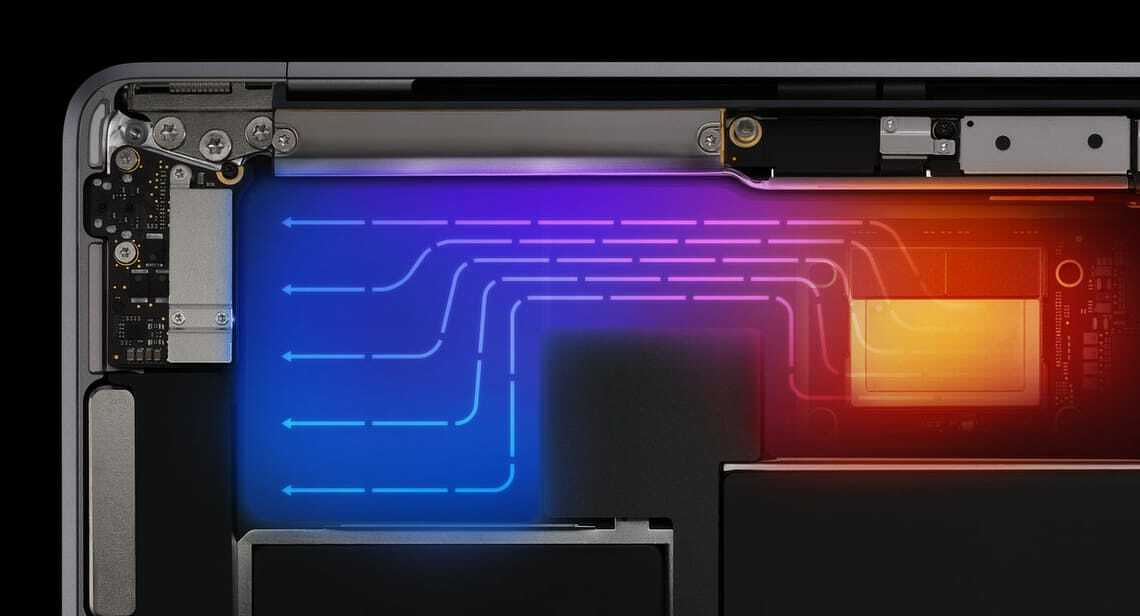
The M4 chip delivers strong performance without fan noise. The Air stays cool under normal use and only gets warm under sustained load.

I ran a demanding game in the background to stress the system. It became warm, not hot. For everyday work, it stays cool.

It won’t make you type faster, but it will render video, process images and handle 4K workloads without hesitation.

I tested it with Logic Pro and FL Studio. Even pushing towards the limits, there was still headroom.

Productivity: external displays

The ability to run two external monitors with the lid open is a meaningful upgrade.

With multiple screens, it’s easier to spread out research, documents and apps. It’s a genuine productivity boost, especially for writing or editing work.

Earlier Apple silicon Air models had limitations here. The M4 removes them.

Battery life

Apple claims up to 18 hours. In practice, I saw around 13 hours.

Higher screen brightness and external drives both reduce battery life. Even so, it’s enough for a full working day.

Long battery life has been a MacBook strength since Apple moved away from Intel.

Windows laptops have caught up in endurance, but often by trading performance. The M4 Air delivers both.

Running Logic Pro and other demanding apps

At $2000, this is Apple’s cheapest laptop. Yet it handles workloads that once required a MacBook Pro.

Logic Pro runs smoothly, even with large projects, multiple instruments and real-time effects. There’s no stuttering.

That’s a big change from Intel-era MacBook Air models, which struggled with even modest sessions.

The M4 handles advanced features, including AI tools, without breaking a sweat. I only found limits by deliberately overloading it.

FL Studio shows a similar story. Where older Air models hit limits quickly, the M4 runs cleanly and reliably.

Memory and storage options

The M4 MacBook Air supports up to 32GB of unified memory. That’s important for demanding workloads.

While 16GB is enough for most users, serious music or video work benefits from 32GB. It’s expensive, but it adds long-term headroom.

Storage is another constraint. The base model fills quickly if you work with media. Realistically, 1TB is a better starting point, with 2TB worth considering if budget allows.

A fully loaded 13-inch model reaches NZ$4400. The 15-inch version goes higher.

M4 MacBook Air - still light, slim and portable.

Verdict

You won’t find a better mix of performance, features and usability at this price.

It’s faster, more capable and now slightly cheaper than before. That’s rare.

The keyboard, trackpad and speakers remain best-in-class. Battery life is strong. Performance is more than enough for almost any task.

Upgrades are still expensive, but worthwhile if you need them.

Last year’s M3 MacBook Air was arguably the best all-round laptop available. The M4 version takes that title and strengthens it.

M4 MacBook Air at a glance
For: M4 chip delivers huge amount of processing power at the price. Long battery life. Excellent screen, trackpad and keyboard. Great webcam.
Against: Extra Ram or storage is expensive. No WiFi 7.
Maybe: The pale blue case replacing ‘space grey’.
Verdict: You won’t find a better combination of power and features at this price. MacBook Air remains a strong argument for leaving Windows.

Frequently asked questions

Q: Does the MacBook Air M4 support two monitors? A: Yes, unlike previous models, the M4 Air supports two external displays while the laptop lid is open.

Q: Is the M4 MacBook Air good for music production? A: Yes. In my month of testing, it handled Logic Pro and FL Studio sessions that would have made older Intel models stutter.

Q: Is 16GB of Ram actually enough for professional audio in Logic Pro? A: Surprisingly, yes. While the 32GB upgrade offers more “future-proofing,” the new 16GB base configuration handles serious Logic Pro and FL Studio sessions with dozens of tracks and multiple real-time effects without stuttering. Because the M4’s unified memory is so fast, the “memory pressure” stays in the green for most home studio and mid-level professional projects. Only those working with massive orchestral sample libraries or high-end 4K video editing should feel the need to spend the extra $800 on the 32GB model.

Oura Ring 4 review: impressive health tech, but not for everyone

Tiny, powerful and pricey, the Oura Ring 4 tracks sleep, fitness and stress without a bulky watch. For some people, skin reactions could be a real risk. This post was written in October 2025..

Oura Ring 4
Oura Ring 4.

Review: Oura Ring 4

The Oura Ring 4 is the latest version of a popular smart ring that tracks fitness, sleep and stress. This is not a full review. Testing finished early because of an adverse skin reation. Think of it as a snapshot.

Many readers will like the idea. I could not live with the reality. In testing, it did not last 24 hours on my finger.

I’ll explain in more depth why this happened later. First, some background.

The ring is a neat piece of engineering. It weighs five or six grams and sits quietly on your finger while monitoring vital signs.

There are limits. Small devices can only hold so many sensors. Physics and thickness still matter.

The Oura phone app

There is no display on the ring, so you use a phone app to view data. The ring connects over Bluetooth.

The app is well organised and easy to navigate. Some details take a little digging, but it works well.

You can see heart rate in real time. A sleep score appears soon after you wake.

Other insights take longer. You need to build up a body of data before recommendations appear.

Sizing kit before you buy

The ring is about the size of a large wedding ring. Before shipping, Oura sends a sizing kit. There are 12 sizes.

There are multiple colours and finishes. Buying direct, prices start at US$350 for silver. Most models cost about US$500. At the time of writing that’s roughly NZ$850 to NZ$900, plus GST. New Zealand pricing is exchange-rate dependent and may date quickly.

You can also buy from retailers such as JB Hi-Fi. At the time of writing, a gold model sells for NZ$979.

This is not a product you should buy blind. Fit matters.

Oura is expensive for a smart ring. It costs more than rivals from Samsung. At this price, you could also consider an Apple Watch.

Even basic functionality requires a subscription

There is a controversial catch. The ring is of limited use without a subscription.

When you register, you are asked to complete account setup. That includes payment details.

The fee is US$6 a month or US$70 a year. It is not huge, but it feels steep after the upfront cost.

By comparison, Samsung does not charge for its ring app. Apple does not charge for core Apple Watch health features, although that could change.

There is a wider trend here. Hardware makers are looking for ongoing revenue from connected devices. Not everyone will like that.

Without a subscription, you see only basic scores for readiness, sleep and activity, along with battery alerts.

Battery life

The lack of a display helps battery life. Oura claims up to eight days on a charge.

That sounds plausible. I could not test it. My experience did not last long enough.

Why I had to send the ring back

I found the ring less comfortable than a smartwatch.

It is light, but noticeable. If you are not used to wearing rings, you may feel strange.

In my case, things got worse. Ten years ago I had a serious skin reaction to an early Apple Watch.

I kept that in mind during testing. At first, the ring felt fine, if slightly irritating. Later, my finger became itchy, then faintly red.

At around 1:30am I woke in pain. My finger was swollen and throbbing. It was hard to remove the ring. Another hour or two and it might not have come off.

By morning, the swelling remained. I did not wear the ring again.

Oura acknowledges this risk. Its safety advice says you should remove the ring if irritation occurs and seek medical advice if symptoms persist.

Verdict: Oura Ring 4

It is unusual to deliver a verdict after limited use. Even so, the idea is sound.

Oura has built a device that can track health data without getting in the way. For most people, it will be unobtrusive.

It may even flag health issues early. That alone could justify the cost.

For a minority, comfort and skin reactions will be a barrier.

HP EliteBook Ultra G1 review: premium business laptop with security focus

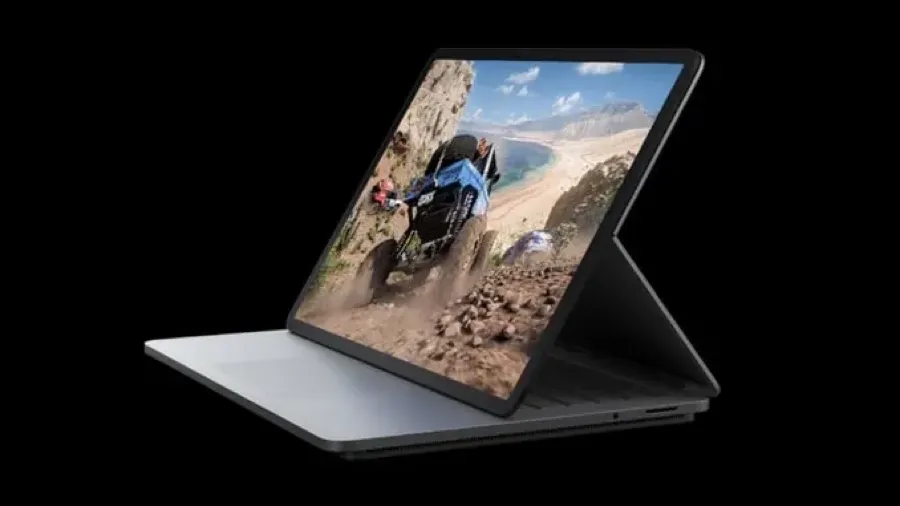
HP EliteBook Ultra G1.

HP’s EliteBook Ultra G1 is a business-class Windows laptop with a solid build, strong security and a heavy emphasis on corporate features. It costs far more than a typical consumer notebook. That makes it attractive if your employer is paying, but a harder sell if you are spending your own money.

Smart, corporate design

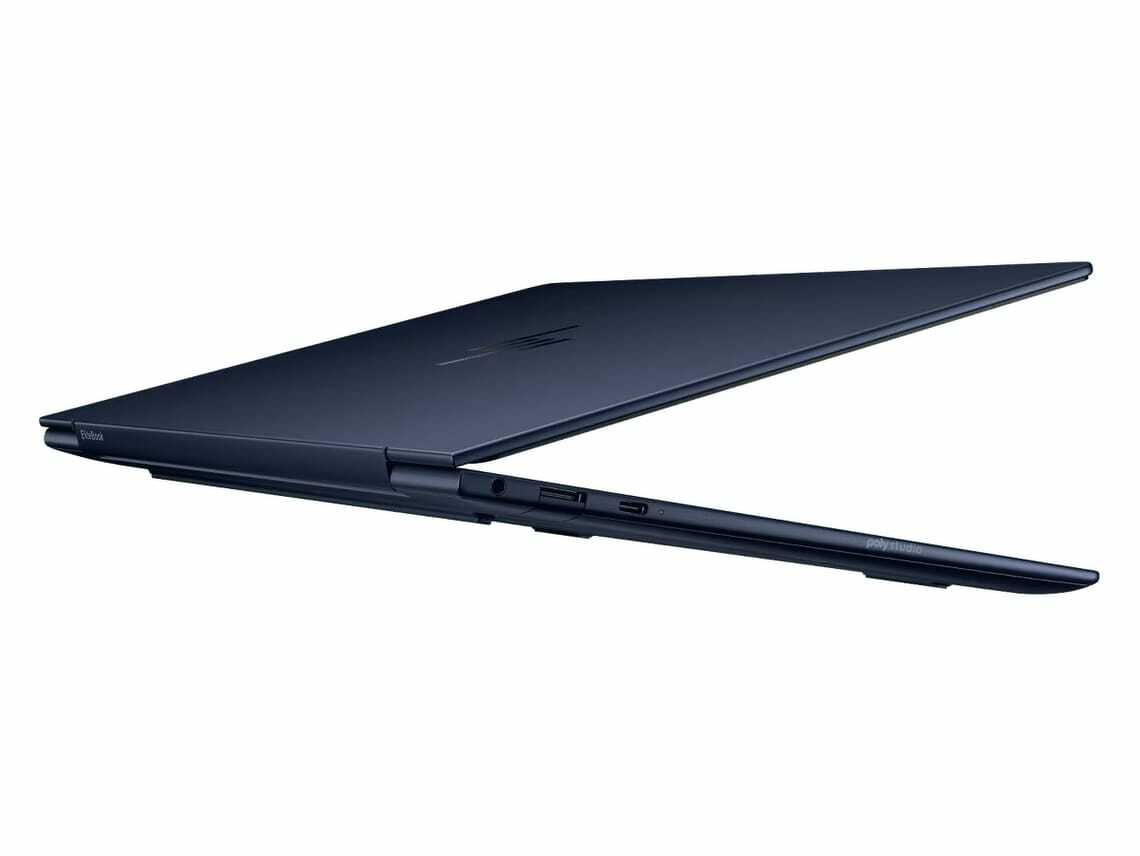
From the outside, the EliteBook Ultra G1 looks exactly as a corporate laptop should. The matte magnesium case, rounded corners and clean lines give it a restrained, professional appearance.

At 1.2kg and around 18mm thick, it is light and portable without feeling fragile. There is a clear sense this is a premium device designed for executives who travel.

Screen and media

The 14-inch OLED touchscreen has a 2880 by 1800 resolution and a variable refresh rate.

At 400 nits, brightness is adequate for most environments. It is not the brightest display in its class. Users accustomed to more luminous screens may find themselves wanting more headroom.

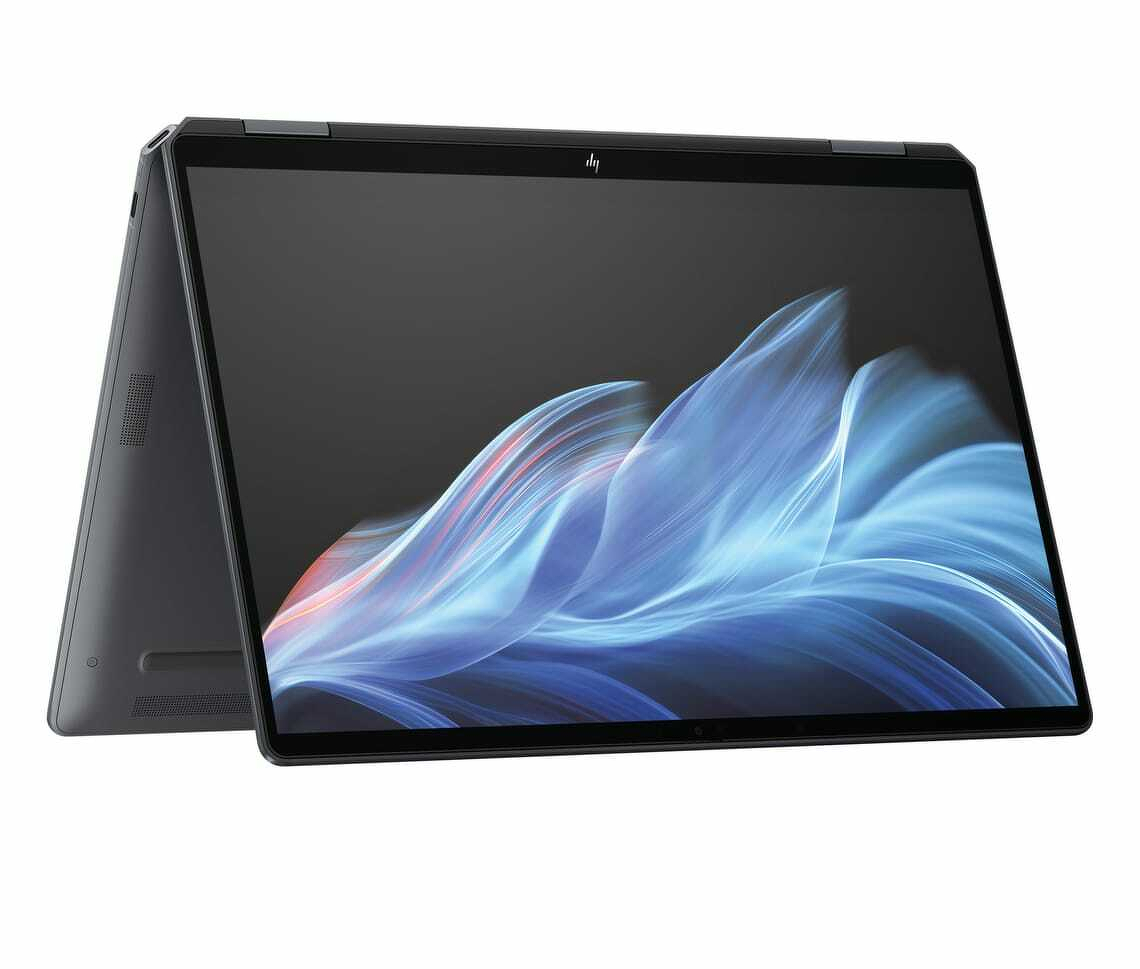
The screen can fold flat, allowing the laptop to double as a makeshift desktop tablet. In practice, this is useful in limited scenarios rather than everyday use.

Audio is a highlight. The quad-speaker system performs well for a device this thin. Calls are clear and voice-based applications sound excellent. Music playback is respectable, although still constrained by the form factor.

Keyboard, touchpad and ports

HP gets the fundamentals right. The keyboard is responsive and comfortable for long typing sessions. The haptic touchpad is equally well executed and adds a sense of precision.

Port selection is generous for a modern laptop. On the left, there is an audio jack, a USB-A port hidden behind a pull-down cover and a USB-C port with a charging indicator. On the right, you will find two more USB-C ports, another charging light and a lock slot.

Like Apple, HP has dropped the microSD slot.

HP EliteBook Ultra G1 looks like it is made for business

Connectivity

The EliteBook Ultra G1 supports WiFi 7, putting it at the leading edge of wireless connectivity. While many users will still be on earlier standards, this ensures the laptop is ready for faster networks as they become more common.

Performance and battery life

On paper, the combination of an Intel Lunar Lake processor and 32GB of Ram suggests strong performance.

In practice, it is less impressive. Everyday tasks run smoothly, but at this price you might expect more headroom. Comparable MacBook Air models, costing significantly less, can outperform it in a range of applications.

One notable detail is how quiet the system remains. Even under load, the fan rarely makes itself known.

Battery life is solid. Around 14 hours of video streaming is realistic, which is enough for long-haul travel. It is not class-leading, but it is more than adequate for business use.

AI: not the main event

HP positions the EliteBook Ultra G1 as an AI laptop, but the reality is more modest.

The machine lacks a dedicated GPU and the Intel processor is not heavily optimised for AI workloads. As a result, it feels more like a traditional business laptop with a few AI extras.

HP’s AI Companion is essentially a branded interface for GPT-4. It requires an internet connection and offers little beyond what you can already access through standard tools, aside from some system-specific functions.

There is also a dedicated Copilot button for Microsoft’s AI assistant. It is convenient, but not a compelling reason to choose this laptop.

Security sets it apart

Where the EliteBook Ultra G1 distinguishes itself is security.

HP Wolf Security for Business adds multiple layers of protection beyond standard Windows tools. This includes anti-phishing measures, BIOS tamper protection and system hardening features.

The trade-off is usability. Security prompts can interrupt workflows, particularly when installing software that is not on an approved list. Unlike some systems, there is limited scope to override these restrictions.

For individual users, this may feel intrusive. For corporate IT departments, it is a significant advantage. The ability to manage and secure fleets of devices will appeal to organisations concerned about risk.

Verdict

The HP EliteBook Ultra G1 is a premium business laptop aimed squarely at corporate buyers.

It excels in build quality, security and manageability. Performance is competent rather than exceptional, and the AI features do little to justify the marketing emphasis.

For individuals, there are better-value options with more power. For organisations that prioritise security and control, the EliteBook Ultra G1 makes a strong case, even at a high price.

HP OmniBook Ultra Flip 14 review: a polished hybrid with long battery life

First posted February 2025: HP’s OmniBook Ultra Flip 14 is a thin, light and flexible 2-in-1 Windows laptop. Battery life is impressive for an Intel machine and the hardware rarely puts a foot wrong. Yet it falls short of HP’s promise of delivering “the ultimate AI experience”.

Auto-generated description: A slim, convertible laptop with a vivid display showing a dynamic, flowing blue abstract design.
HP OmniBook Ultra Flip 14

OmniBook Ultra Flip 14 at a glance

For: Long battery life, solid build quality, practical 2-in-1 design.
Against: Expensive for a consumer laptop, similar money buys more powerful hardware, underwhelming AI features.
Maybe: Odd port placement, Intel still comes with trade-offs.
Verdict: A strong choice if you want a thin, light Windows laptop with good battery life and full Intel compatibility.
Price: Officially NZ$3700, although retail pricing can dip closer to NZ$3000.

Familiar design, well executed

At first glance, the OmniBook Ultra Flip 14 looks like a business-class hybrid. In reality, it sits in HP’s consumer range.

The plastic chassis is a surprise at this price, but it works. Where some plastic laptops feel flimsy, this one is sturdy and well put together. It feels capable of handling the knocks that come with everyday travel.

The hinge is another potential weak point on 2-in-1 devices. During a month of testing, it proved reliable and smooth in operation.

As a hybrid, the device can be used as a standard laptop, folded flat into a tablet or propped up in a tent configuration. The latter may appeal for presentations, although it is not something everyone will use.

Display and everyday use

The 14-inch OLED touchscreen has a 2880 by 1800 resolution and supports refresh rates up to 120Hz.

Indoors, the display performs well. Colours are rich and the higher refresh rate helps with smooth scrolling and general responsiveness. Outdoors, it is usable in shade or overcast conditions, but struggles in direct sunlight.

Speakers are adequate for calls and general office work, although they sound thin when playing music. This is typical for laptops of this type.

The keyboard spans the full width of the device and is comfortable for extended typing sessions. The trackpad is responsive and accurate.

Price and positioning

With a list price of NZ$3700, the OmniBook Ultra Flip 14 sits in a competitive bracket.

At this level, buyers could opt for a well-specified MacBook Pro or a fully loaded MacBook Air. Windows alternatives include premium models from HP, Lenovo and Microsoft, some offering more raw performance.

The key distinction is the processor. While many rivals are moving to ARM-based chips, this model sticks with Intel. That means fewer compatibility concerns, even if it comes at the cost of peak efficiency.

Retail discounts make a difference. At closer to NZ$3000, the OmniBook Ultra Flip becomes easier to justify.

Performance and battery life

In everyday use, the OmniBook Ultra Flip 14 is quick and responsive. It handles typical workloads with ease and should remain capable for years.

Battery life is the standout. For an Intel-powered laptop, it lasts far longer than expected and comes close to what you might see from ARM-based machines.

For many users, this combination of performance and endurance will be more than enough. Those needing sustained high performance may still be better served by a business-class machine.

Windows 11 holds it back

The weakest link here is not the hardware, but the software.

Windows 11 continues to feel inconsistent. During testing, there were occasional crashes, including while the machine was asleep, along with driver issues that appeared without warning.

Even when stable, the experience lacks the polish found elsewhere. For users coming from macOS, the difference is noticeable.

AI: more promise than delivery

HP leans heavily on AI as a selling point, particularly through its integration with Microsoft Copilot.

In practice, this is not a compelling reason to buy the laptop. The AI features feel underdeveloped and add little to the day-to-day experience.

HP’s own AI tools are still in beta, which shows. Some features, such as performance optimisation, are difficult to assess and did not make a clear impact during testing.

For a device at this price, buyers could reasonably expect more mature software.

Verdict

The HP OmniBook Ultra Flip 14 is a well-built, thoughtfully designed hybrid with strong battery life and dependable performance.

It does not redefine what a Windows laptop can do, and its AI ambitions are not yet realised. Even so, the hardware is solid and the overall package is easy to recommend for those who want flexibility and full compatibility.

If you are committed to Windows and want a premium 2-in-1 with long battery life, the OmniBook Ultra Flip 14 is worth considering.```

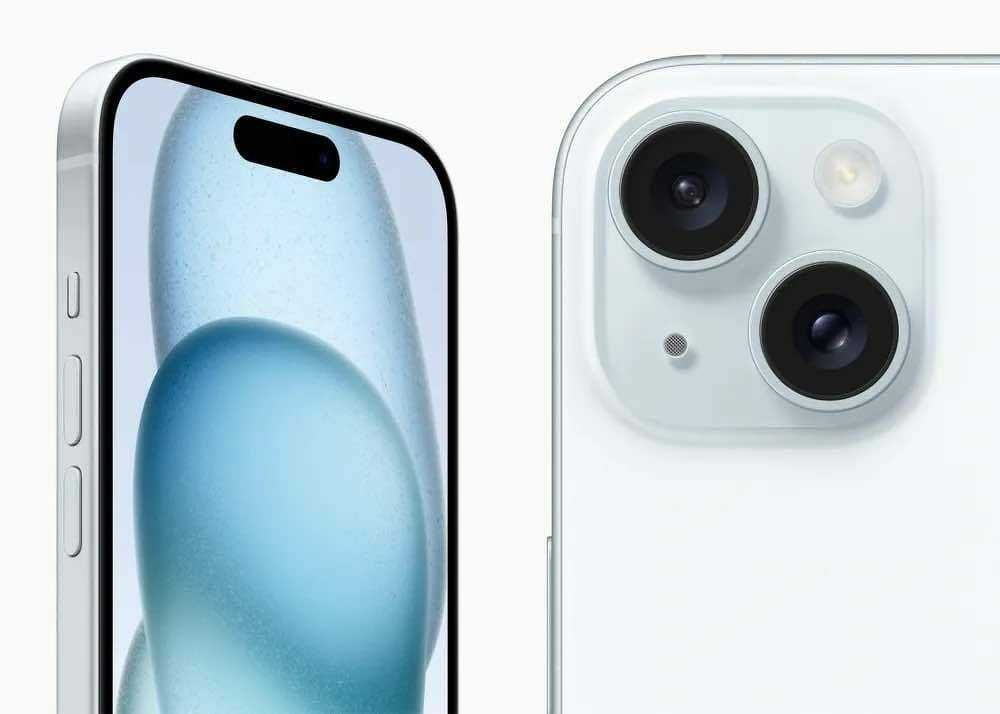
iPhone 15 Plus review: solid upgrade with few surprises

iPhone 15 Plus
iPhone 15 Plus.

This post is from October 2023.

There are few surprises in the iPhone 15 Plus. Many of the differences from the iPhone 14 Plus first appeared in last year’s Pro models, which makes this feel more like a consolidation than a leap forward.

It is still a worthwhile upgrade. The improvements are small, but they add up. If you are coming from an iPhone 14, you will notice the refinements.

You probably shouldn’t be upgrading every year. Most people now hold on to phones for three years or more. If you are moving from an iPhone 11 or 12, the jump in performance and camera quality will feel significant.

Size matters

This review focuses on the iPhone 15 Plus, but most of the comments also apply to the standard iPhone 15. The key difference is size.

The iPhone 15 has a 6.1-inch display and starts at NZ$1650. The iPhone 15 Plus has a 6.7-inch display and starts at NZ$1850.

That extra screen space makes a real difference. It is better for reading, writing and watching video. If you spend a lot of time looking at your phone, the larger display is worth the extra NZ$200.

The base models come with 128GB of storage. That may be enough if you rely on iCloud. If not, you will need to pay more for 256GB or 512GB.

Familiar, but refined

The overall design has not changed much since the iPhone X. You still get an edge-to-edge display with a slim bezel and a camera cluster on the back.

There are subtle refinements. The edges are more rounded, which makes the phone feel smoother in the hand. The new colour finishes, including the pale pink review unit, are understated rather than bold.

Build quality is excellent, as you would expect at this price. Like most modern phones, it is not designed for easy repair, although professionals can service it without too much trouble.

USB-C arrives

Apple has finally moved from Lightning to USB-C. This brings the iPhone into line with other devices and makes charging simpler.

You can now use the same cable across multiple gadgets, and it is easier to borrow a charger when needed. The standard models do not get faster data transfer speeds, but that is unlikely to matter for most users.

Dynamic Island and display

The iPhone 15 range now includes Dynamic Island, which replaces the old notch. It allows apps to surface information around the front camera area.

The display is bright and sharp, with Apple’s Super Retina XDR OLED technology. It remains fixed at 60Hz, which is lower than some rivals and Apple’s own Pro models.

In practice, the screen is easy to read in all conditions, including bright sunlight. If you are upgrading from an older iPhone, it will feel like a step forward.

Proven performance

Apple continues its strategy of moving last year’s Pro chip into this year’s standard models. The iPhone 15 uses the A16 Bionic processor from the iPhone 14 Pro.

Performance is strong. Everything feels fast and responsive, from everyday tasks to demanding apps and games.

In simple terms, there is more than enough power here for most users, and likely more than you will need for years to come.

Battery life holds up

Battery life is slightly better than the iPhone 14 generation. The improvement is modest, but noticeable.

In everyday use, the iPhone 15 Plus can last up to two days on a charge. Heavier use will bring that down, but it still comfortably lasts a full day.

Charging is quick enough. You can reach around 50 percent in half an hour, with a full charge taking roughly 90 minutes.

Camera improvements, not a revolution

The main camera moves to 48 megapixels, up from 12 megapixels on earlier models. In practice, most photos are captured at 24 megapixels.

Image quality is excellent, especially in good light. Low-light performance has improved, although not dramatically.

The extra resolution helps when cropping images. You can zoom in and reframe shots without losing as much detail.

Apple has also added a 2x optical zoom option. It is not as flexible as the zoom systems on some rivals, but it delivers clear results.

Video remains a strong point, and on-device editing tools are powerful and easy to use.

Verdict

The iPhone 15 Plus is a solid, incremental upgrade. It brings features that were once reserved for Pro models to a wider audience at a lower price.

If you are using an older iPhone, the improvements will feel substantial. If you are coming from last year’s model, the changes are less compelling.
For most buyers, the iPhone 15 Plus strikes a good balance between performance, features and price. If photography is your priority, the Pro models are worth considering. Otherwise, this is an easy phone to recommend.

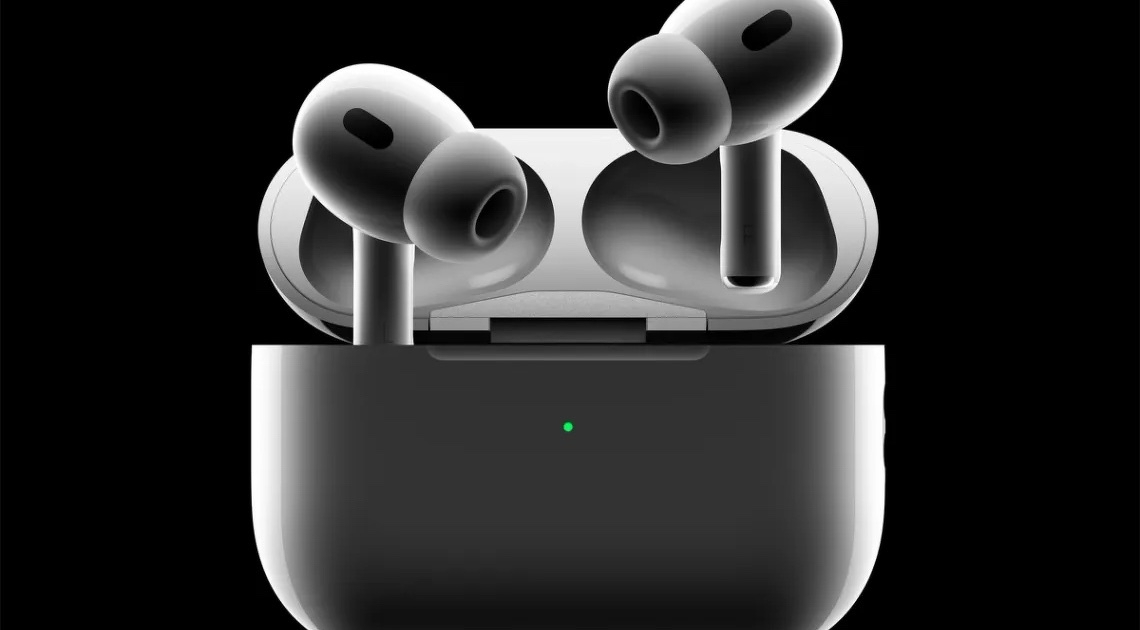
Apple AirPods Pro second-gen: Familiar looks, better

Second generation Apple AirPods Pro
Second generation Apple AirPods Pro.

From May 2023: They may look the same, but Apple’s new AirPods Pro have improved sound, noise cancelling and battery life.

For: Better noise cancelling, sound and battery life, improved controls, integrates well with Apple ecosystem.
Against: You may find better sound quality elsewhere, doesn’t support lossless audio.
Maybe: Can’t tinker with EQ, Lightning connector
Verdict: If you love AirPods and are wedded to Apple, this is a great upgrade, you can’t go wrong.
Price: NZ$479

Three years ago Apple’s first AirPods Pro hit the streets. The technology has moved on.

The AirPods Pro sound better and have more effective active noise cancelling. Writing about the improved sound quality and noise cancelling isn’t easy. It would be best to experience them for yourself. That said, it’s not a scientific test, but… …there are seven sets of active noise cancelling earbuds and headphones in our house. They are all effective. Each has been tested on Auckland bus routes and ferry trips across the harbour. They all reduce background noise to the point where you can hear musical nuances when playing digital audio. With five of those devices I can watch and listen to a streaming video sports match and tell when the lawn mowing contractor is cutting the grass. That’s not the case with the second generation AirPods Pro I can’t. The only other set that hits this practical benchmark are the JBL Live 660NC headphones. While the noise cancelling is effective, enough ambient sound leaks through to stop it from being scary and claustrophobic.
Sound quality The earlier AirPods Pro had surprisingly good sound quality given the size of the components.

There’s a clear step up with the second generation AirPods Pro. The new AirPods Pro push higher and lower than the old model, but not dramatically so. Clarity and definition are noticeably better. Apple has crafted a sound profile that works across a wide spectrum of music styles. That approach means you are never going to get the best sound quality in one department, but nor are there any obvious weaknesses. You can set a broad EQ preset, but can’t tinker with the finer details, which is a good thing. Instead, the AirPods Pro use microphones to analyse what you hear along with the ambient sound and adjust sounds accordingly. Spatial Audio allows producers to create music that sounds like it is coming from all around you. It’s strange at first and feels like a novelty until you use it when watching a movie and suddenly it all makes sense.
On the outside The new AirPods look almost identical to the first generation earbuds. The same white colour, the same stems and while there are the same user selectable ear-tips, Apple has added a fourth extra small option alongside the small, medium and large choices. An extra black sensor strip sits on the side of each earbud. This is to help the AirPods understand when they are in or out of your ears.

You’ll notice a metallic indentation on the right hand side of the case. That’s for a lanyard. There isn’t one packed with the AirPod Pros, it’s an NZ$23 extra from Apple. If that’s not for you, there is a thriving market for third party lanyards. The bottom of the case has holes for a speaker. You can use Apple’s Find My app to hunt down a lost case and it will play a loud sound to make your search easier. It’s loud, don’t try testing it with the case near your ears. Apple has stuck with the Lightning charge socket over USB-C. Lightning could be on the way out, if it does depart during the life of the AirPods Pro you can use wireless charging. It works with the Apple Watch charger and Qi.
Battery life The AirPods Pro work for longer on a single charge. Apple says there are six hours of listening with active noise cancelling this drops if you use spatial audio or make voice calls. With the case recharges, you now get up to 30 hours before you need an external recharge. That’s enough to fly anywhere in the world.

🍏 For alternatives see: AirPods Pro will work with any Bluetooth equipped device, but are at their best paired with Apple hardware like the 10th generation iPod.

Verdict: Second generation AirPods Pro Apple has done a good job upgrading the AirPods Pro. This is an area where the company’s attention to detail pays off. The sound quality was good before, but is better now. You’ll get better sound from over-ear headphones but the best rival earbuds offer a different sound experience rather than something distinctly better.

At NZ$479, AirPods Pro are a pricey, but feature-packed and otherwise complete option. If you can use active noise cancelling then the NZ$130 premium over the price of third generation AirPods is money well spent. There are rival products chasing your money. You can buy earbuds with, arguably better sound or better active noise cancellation. Yet you can’t buy something that beats the AirPods Pro in both departments. Nor will any alternatives slip as smoothly into Apple’s seamless ecosystem. If you’re deep in the Apple camp they are your best bet.

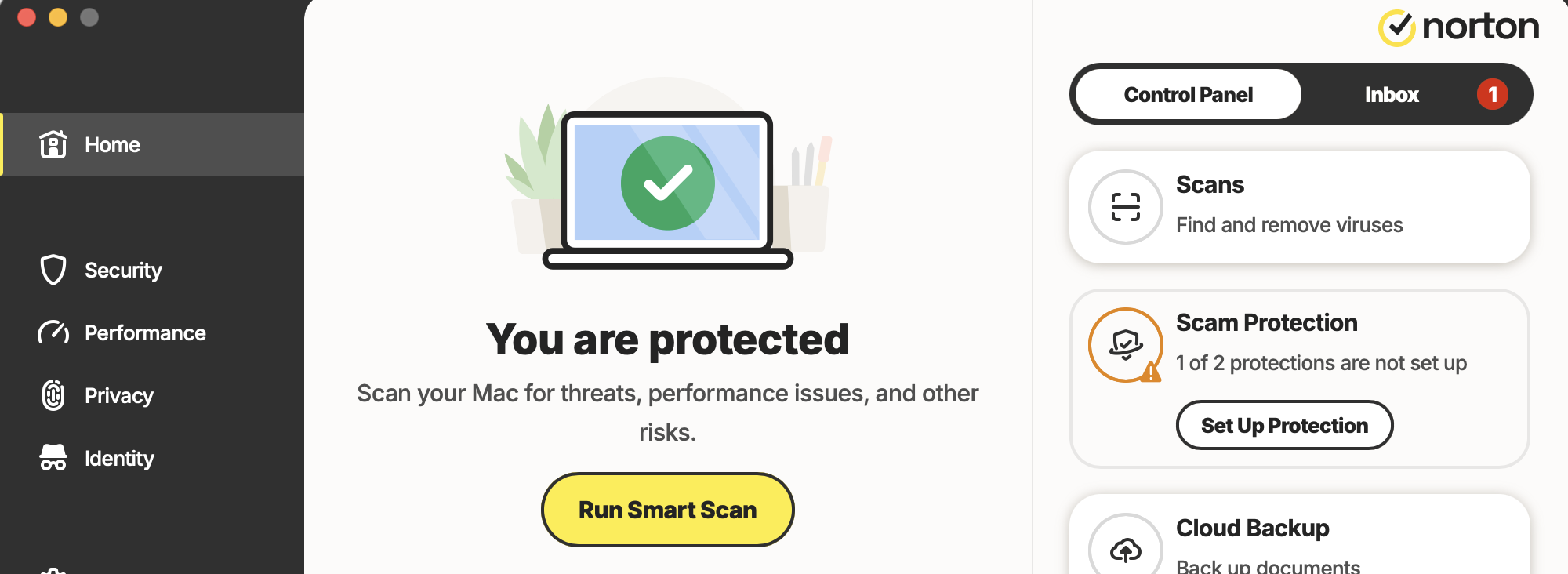
Norton AntiTrack review: privacy tool with limits

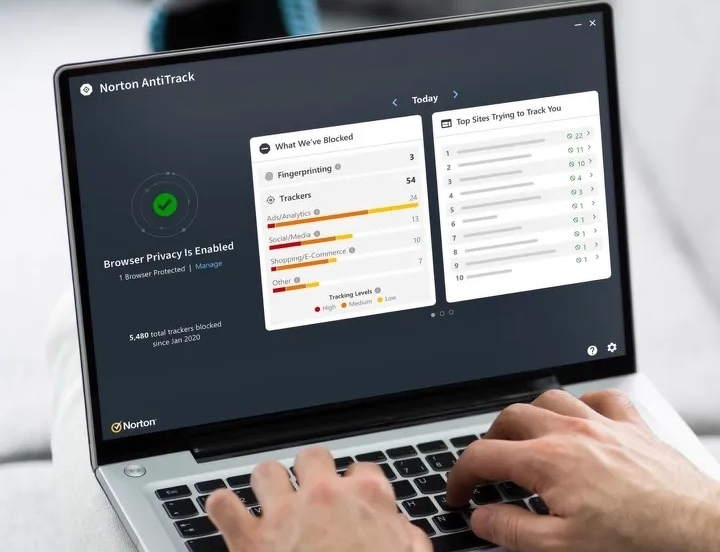
Norton AntiTrack
Norton AntiTrack.

From April 2023: What value do you place on your online privacy? For NZ$65 a year Norton AntiTrack aims to frustrate trackers. How did it do in testing?

Norton AntiTrack is pitched as a way to “take control of your online privacy”. It is not security software in the strict sense, but better privacy can reduce risk.

The idea is simple. Make it harder for companies to track what you do online. AntiTrack does that, although there are cheaper ways to get similar results.

Until recently it was a Windows-only product. This review looks at the Mac version.

Why tracking matters

Everything you do online can be tracked. At the benign end, that data is used to sell you more products. At the darker end, it can be used to influence behaviour, manipulate opinion or enable crime.

AntiTrack aims to make that harder. It won’t make you invisible, but it can stop you being an easy target.

Fingerprinting explained

The key technique is browser fingerprinting. When you visit a site, it can collect information about your device and browser.
This includes fonts, screen resolution, browser version, operating system and other details. Individually, these seem harmless. Taken together, they form a unique fingerprint.

That fingerprint can follow you from site to site. Over time, it builds a detailed picture of your online life.

A webpage displays a visitor's ID with location details and a view of their visit history from Auckland, New Zealand.

Your online identity

Once a site links that fingerprint to your identity, say when you log in or sign up, the tracking becomes personal.

From there, companies can build extensive profiles. They can predict behaviour, target advertising and, in some cases, influence decisions.

This is why you might search for a product once, then see ads for it everywhere. It is also why privacy tools have become more important.

Does AntiTrack work?

The answer is mixed.

I tested AntiTrack using the Electronic Frontier Foundation’s Cover Your Tracks tool on a MacBook Pro. Without AntiTrack, Safari already offered some protection. My browser fingerprint was unique, but not unusually exposed.

With AntiTrack enabled, the result barely changed. The fingerprint remained just as identifiable.

Tests on AmIUnique and Fingerprint.com told a similar story. In controlled conditions, AntiTrack did little to mask my identity.

In everyday use

Real-world use is more encouraging.

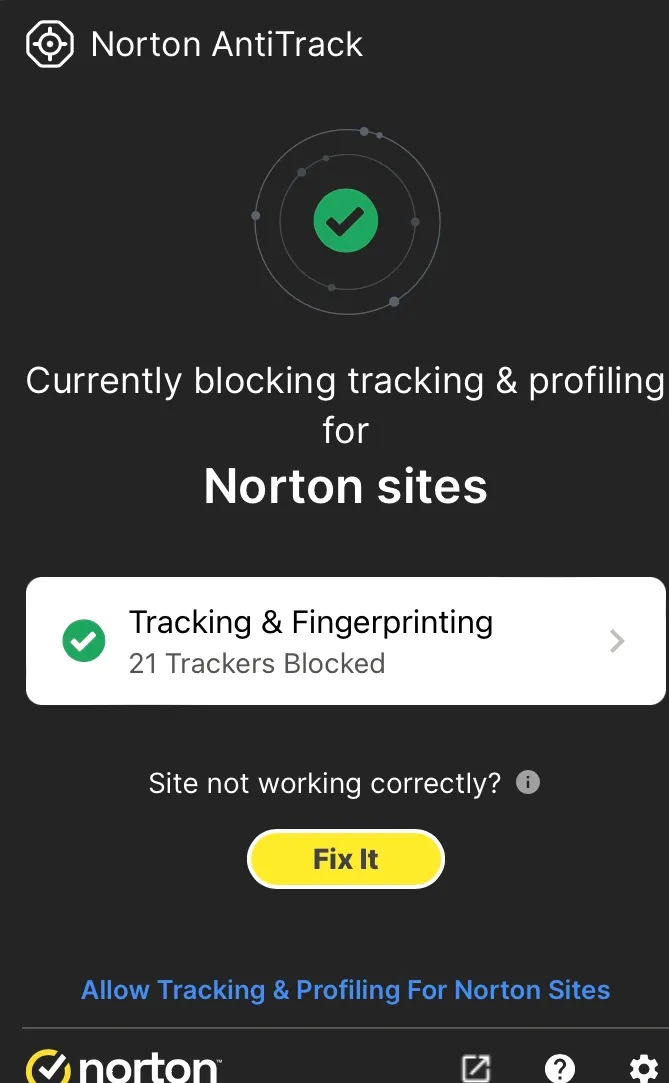
AntiTrack adds an icon to Safari that shows how many trackers it blocks on each page. The numbers can be high. News sites often run dozens of trackers, while even simple sites can have several.

Clicking the icon opens a report showing who is tracking you. The same names appear repeatedly, alongside occasional unknown players.

AntiTrack can also fix pages that break when trackers are blocked. This happens often. Blocking trackers can interfere with site functionality.

In some cases, you may need to allow tracking to get a site working again. AntiTrack then feeds those trackers false data to limit exposure.

Over time, this becomes part of the routine. You notice when something breaks, then decide whether to allow tracking.

The cost of privacy

AntiTrack works best as a compromise. It reduces tracking without completely disrupting your browsing.

There is a cost. The subscription is around NZ$65 a year. There is also the friction of dealing with broken sites.

For some users, that trade-off will be acceptable. For others, it may feel like too much effort for limited gain.

Alternatives

There are other options.

Privacy Badger from the Electronic Frontier Foundation is free, although it does not support Safari. Ghostery is another free tool and performs at a similar level.

Browser choice also matters. Safari offers strong privacy controls out of the box. Firefox goes further in some areas. Chrome and Edge lag behind.

Verdict

Norton AntiTrack does what it promises. It makes tracking harder and gives you more visibility into what is happening behind the scenes.

It does not provide complete protection, especially against fingerprinting. Even so, it raises the bar enough to matter.

Whether that is worth paying for depends on how much you value privacy, and how much inconvenience you are willing to tolerate.

2020 iPad Pro 12.9-inch review

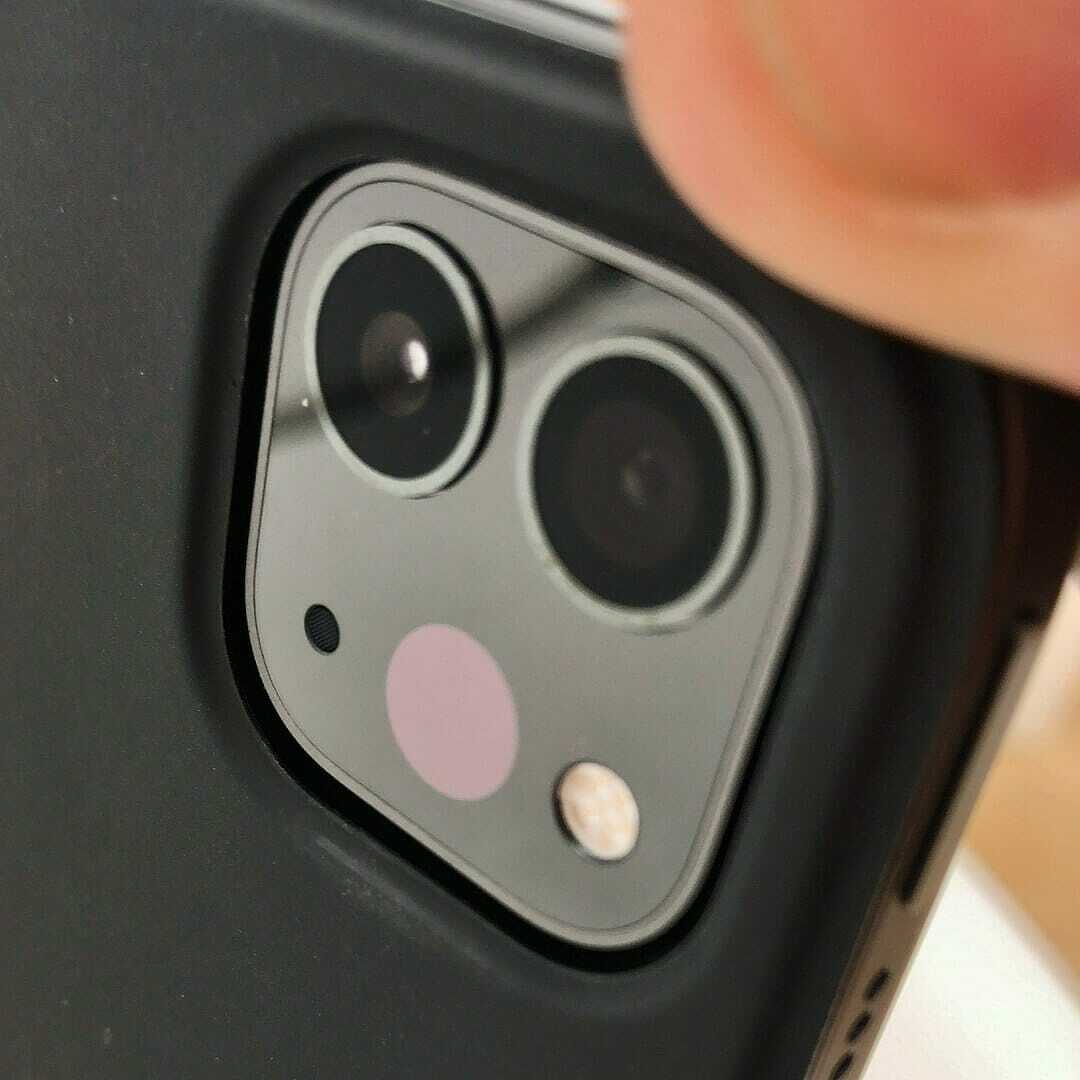
iPad Pro 2020 LiDAR Scanner and back camera.

Apple iPad Pro 12.9-inch (2020) brings a modest speed bump, a revamped camera system and full mouse and trackpad support.

Apple’s 2020 iPad Pro 12.9-inch is a refinement, not a revolution. The big leap came in 2018 when Apple rebooted the Pro line. That model pushed the iPad closer to being a genuine laptop replacement while keeping the strengths of a tablet.

For everyday tasks like browsing or writing, there’s little difference.

The 2020 update builds on that solid base. Most hardware changes are incremental, but iPadOS has matured into a more capable platform for mobile computing.

Everything that made the 2018 model great remains. The design is still one of Apple’s best, with minimal bezels, squared edges and rounded corners. It feels so right that it’s hard to imagine a better approach.

Performance

Bionic chip

The new iPad Pro uses Apple’s A12Z Bionic processor. On paper it improves on the earlier A12X, but in practice the gains are modest. There are still eight cores, split between performance and efficiency.

For browsing, writing or streaming, there’s little noticeable change.

Push it harder and the difference shows. Graphics-heavy tasks like photo editing run faster, audio apps feel smoother and demanding workloads are more responsive. Even so, the improvement is incremental.

By today’s standards it remains fast. It can outperform a 2019 MacBook Air (2019) with an Intel Core i3, although it doesn’t challenge Apple’s high-end laptops.

Battery life

Battery life is slightly down on the 2018 model, which could stretch to 10–12 hours depending on workload. The 2020 version manages a little over nine hours in regular use.

That’s still enough for a full working day, though no longer exceptional. Heavy apps can drain the battery in around six hours, while lighter use will comfortably last longer.

Cameras

Apple has focused more on cameras than raw performance this time. The rear now includes two lenses and a LiDAR sensor, following the same direction as recent phone upgrades.

The main 12-megapixel wide camera is unchanged. It’s good for a tablet, though not on the level of the iPhone 11. The new 10-megapixel ultra-wide lens is a first for iPad and proves useful, especially in tighter spaces or low light. It often works alongside the main camera to improve results.

Using a 12.9-inch tablet as a camera still feels awkward. Holding a device this size for photography is unnatural, and the controls are less intuitive than on a phone. For consistent quality, dedicated cameras remain the better option. For quick snaps or document scanning, the iPad does the job well.

Front camera

The front-facing 7-megapixel camera is designed for selfies and video calls. This is where the iPad Pro excels. Video quality is far better than on most laptops I’ve used, whether Mac or Windows. For remote work, it makes a noticeable difference.

Placement is less ideal. In portrait mode the camera sits at the top, but with a keyboard attached in landscape it shifts to the side. Software compensates, yet eye contact can feel off. To appear engaged, you need to look towards the edge of the screen.

LiDAR sensor

The standout addition is the LiDAR sensor. While it may eventually improve photography, its main purpose is augmented reality.

LiDAR, used in autonomous vehicles, measures distance by mapping the surrounding environment. On the iPad it can scan rooms with surprising accuracy. Apple’s measuring app works up to around five metres, which is ideal indoors but less useful outside.

It also opens the door for AR apps and games, letting you place virtual objects convincingly in real spaces. For now it feels like a bonus feature, but that could change as developers explore its potential.

Verdict: 2020 12.9-inch iPad Pro

The 2020 iPad Pro 12.9-inch is an incremental update to an already excellent device. The design remains outstanding, performance is strong and iPadOS continues to improve.

New cameras and LiDAR add interest, but they are not compelling reasons to upgrade from the 2018 model. Battery life is slightly weaker, though still solid.

If you’re coming from an older iPad or want a tablet that can double as a serious work machine, this is an easy recommendation. If you already own the 2018 version, you can afford to wait.

Scribble changes how you use iPad

Photo by Kelly Sikkema / Unsplash
Photo by Kelly Sikkema / Unsplash.

From September 2020: Apple's Scribble works better than you might dare to expect, it's fast and feels natural although it can get tiring over the long haul.

The first few paragraphs of this review were handwritten on an iPad Pro running iPadOS 14. Apple included a new feature in the operating system called Scribble.

It allows you handwrite in any iPad text field. Scribble then converts your handwriting into text.

Scribble works with the Apple Pencil. If you don’t own one, this a reason to buy the Pencil.

It doesn’t have to be the Apple Pencil, any powered iPad stylus will work. Scribble doesn’t work with fingertips or with passive styluses.

If you’re old enough and spent a lot of time with Apple hardware you may remember something similar was possible with the Newton MessagePad.

Impressive performance

Scribble works better than you might dare to expect.

It is fast enough to covert handwriting on the fly. Using it feels natural enough over the short haul. After a while writing with the Pencil can get more tiring than typing, although that may be unfamiliarity.

That could also be because I am a touch typist and have never been great at handwriting. In my case Scribble is an accurate description.

Either way, I gave up trying to write this entire post using Scribble at the sentence you are reading now. In other words, it’s good for a couple of hundred words.

Don’t plan on using it to write your magnum opus.

Scribble quick notes

To date I’ve found Scribble is excellent for making quick notes, filling in forms, compiling lists and the like. It excels if you need to pen a fast reply to an email.

While you can use Scribble in any text field, certain iPadOS apps have full support. The first paragraphs of this post were written directly into the Apple Pages word processor. If you own an iPad, Pages is free.

When you touch the screen with your Pencil while in a Pages document, the draw palette shows up. To choose scribble, you have to pick the leftmost pen tool, it has an A on it to make things clearer.

Reading my handwriting can be challenging at the best of times. Scribble got almost everything right for the first paragraphs. We’ll discusss the word almost in a moment. Where it doesn’t recognise your writing, you can quickly fix the text using one of four simple pen gestures. Newton owners might find them familiar.

Gestures

To delete a written word, you scribble over it. That’s straightforward enough and needs no training. You can select a word by drawing a line through it or by circling it. In practice the circles are easier and more accurate, although you may find otherwise. Inserting text works when you tap and hold the pen tip at the insertion point. A gap opens in the text and you can write in your extra text. Drawing a vertical line between text characters will either add a space to separate two connected words or open a space when two words are closed up.

It doesn’t take long to pick up these gestures, I was doing them all without a second thought before I stopped scribbling this post. There is one glaring omission. You can’t go to a word and, say, capitalise it. With the Newton you can turn a lower case character into a capital with an upward swipe. With Scribble you have to delete and write the word again remembering to use a capital initial letter.

You can’t Scribble everywhere yet

Scribble doesn’t work with all iPadOS apps. The software has to be enabled by the app developer. It doesn’t work with Microsoft Word or Google Docs. If history is anything to go by, third party app developers will embrace it over time. Other Apple iWorks apps can use it. I was pleased to find it works with iA Writer. And, as mentioned earlier, it does great service with the iPadOS Mail app.

Scribble is one of those features that you can overlook. Yet it has the potential to upend the way you work with an iPad. My favourite aspect of this is that Scribble makes it much easier to write on an iPad when you are standing. As a journalist this is something I need to do when on reporting jobs.

📢 Want to do more than Scribble? I've written a comprehensive to writing on an iPad.,

You'll have to pry my AirPods Pro from my cold, dead hands

This story was written in December 2019.

They sound great and last for hours on a single charge. Apple AirPods Pro pack impressive noise cancelling into a tiny space. At NZ$450, the price is competitive if you’re looking at more traditional noise-cancelling headsets.

Apple’s original AirPods were a surprise hit. You see them everywhere and almost everyone who owns a pair loves them. At one point, reports suggested they accounted for six out of every ten wireless earbuds sold worldwide, which helps explain why rivals like Huawei pushed in with products such as FreeBuds.

My old AirPods are the second-generation model. They fit my ears and work better than you might expect.

AirPods Pro are a step up in every dimension. Apple added active noise cancellation to an already successful recipe, improved the fit and upgraded the functionality. They look like another hit.

AirPods Pro wake-up

My first AirPods Pro demo was in a noisy cafe with hard floors and background clatter. We connected them to an iPhone.

From the outset the earbuds blocked out most of the noise. I could hear music with unexpected clarity.

It got better fast.

There’s a built-in feature that checks how well the earbuds fit your ear. Unlike the original all-hard plastic AirPods, Apple uses removable soft tips. Three sizes come in the box. Mine needed changing. It’s a little fiddly, but only takes a minute.

After swapping, the new tips blocked even more background sound. The quality is astounding for something so small.

Later, I listened again on the bus ride home. The experience was even better than the cafe. I’m not sure I’ve heard such clear sound on public transport.

At home, I can be blissfully unaware when helicopters pass overhead or when the Royal New Zealand Air Force takes off from nearby Whenuapai.

Both types of music

AirPods Pro work well with all kinds of music, which matters because I listen to all kinds. One acid test I use for speakers or headphones is piano recordings. Both classical and jazz tracks came out close to perfect — on a bus. There’s no artificial bass boost, which may or may not suit your taste.

I’ve enjoyed noise cancelling for a few years. When I reviewed Sony’s MDR-1000X headphones, I liked them enough to buy a pair. They proved their worth on long-haul flights.

There is some colour to the MDR-1000X sound. That’s not necessarily bad. They sound fine with my favourite music. In comparison, AirPods Pro are flatter and more accurate.

In the past I thought over-ear designs like the MDR-1000X were more comfortable for long sessions, say on a trans-Pacific flight. I haven’t flown since getting the AirPods Pro, but I have used them for extended listening. They remain comfortable for hours and are far easier to slip into carry-on luggage. I expect them to replace my older noise-cancelling headphones.

On most measures, AirPods Pro match or beat the Sony headphones. The Sony controls may be easier, but that could be familiarity; I’ve only had the AirPods a few days.

The flat response is good enough that I can use them as a reference when mixing tracks on my iPad without waking the house.

During testing I never heard lag or had trouble connecting. If you pull an AirPod out to talk, the music pauses. That’s not always necessary, as we’ll see later. Apple Music behaves well, but some third-party apps can stop altogether and need restarting.

Controls

AirPods Pro have shorter stalks than the older AirPods and are fractionally heavier, though you won’t notice. They come in a slightly larger snap-top case.

You store them in the case when not in use. It charges the earbuds via a Lightning connector or wirelessly. The case holds its own reserve, so you can top up between sessions.

A single charge gives around four hours of listening. With the case, Apple says you can stretch that to 24 hours. That more or less matches my experience.

There’s a squeezable control surface. Squeeze once to pause, twice to skip tracks. Squeeze and hold to activate Siri or switch noise cancelling modes.

You can also say “Hey Siri” to read messages or use the microphones to pipe in outside sound. That’s handy if, say, a flight attendant wants your attention.

One of the more magical features is how AirPods Pro pair across Apple devices. Once connected to one, they’re available to all. Open the case near a device and a prompt shows the remaining charge.

Verdict

AirPods Pro show Apple at its best. They feel a little like magic. It’s rare for someone who has spent decades reviewing gadgets to break into even a modest smile, but these did it.

They are comfortable, sound excellent and have enough battery life for most situations short of a long-haul flight. The noise cancelling is on a par with far more expensive headphones. They also work with Android phones and Windows devices. Best of all, they slip into a pocket.

The price looks high, but you get value for money. Good noise cancelling is never cheap.

Their success also came at a time when iPhone sales were faltering — a reminder that Apple’s strength isn’t just in phones, but in the ecosystem built around them.

Deebot Ozmo 900: a lovable robot vacuum cleaner

Deebot Ozmo 900

Bill Bennett writes: I nearly turned down the chance to review the Deebot Ozmo 900. At the time I was busy. Jo overheard the call and told me to ring back—she was keen. So keen she wrote the review.


Dennis, or, to use his proper name, Deebot Ozmo 900, has the wrong voice. It’s a woman’s voice. As a modern woman, I don’t believe vacuuming is a woman’s job.

The man of the house says he sounds like a female version of the toaster from Red Dwarf, the 1980s series about Dave Lister, the snack-machine repairman stranded three million years in the future.

Dennis does at least look futuristic: a smooth white disc (320mm across, 70mm high) rolling around on wheels, equipped with a laser distance sensor, bumper and anti-collision sensors.

He has a docking station for charging and, unlike Red Dwarf’s toaster, smarter software. He builds room maps and comes with an app, with support for voice assistants.

Lovable, if slightly needy

Like many people, I quickly grew fond of Dennis. He feels less like an appliance and more like a useful pet.

He tells you when he’s tired—his battery is low—then trundles off to recharge. He’s part of a long line of steadily improving robot cleaners. There’s still room for improvement, but for many homes he would be a genuine help.

His party trick is mopping as well as vacuuming. That alone makes a difference.

He runs for up to 90 minutes when vacuuming, less when mopping at the same time. He’s cordless and mostly gets on with the job, but he does need supervision. Think of him as a two-year-old: capable, but prone to getting stuck and calling for help.

Cables and our television sideboard proved a challenge. That said, it was easy to work nearby and listen out for trouble.

Death to dust bunnies

Where Dennis shines is under the bed.

Dust bunnies are normally a miserable chore, involving awkward angles and a vacuum wand. Dennis simply glides underneath and deals with them.

On the downside, his tendency to get stuck limits the usefulness of the app. There’s little point starting a clean remotely if he might strand himself in a corner.

The app is also fiddly to install. Online forums suggest this is a common complaint. Ecovacs appears more focused on robotics than software.

Mapping and other limitations

Dennis’ mapping has limits. In a split-level home, he can only handle one map, so he keeps starting again.

In practice this is more annoying than fatal, although it may explain why he gets stuck in familiar places. His dustbin is small and needs frequent emptying. The water reservoir is also modest, so mopping sessions are short.

That said, the mop pad works well, especially on laminate floors where too much water would cause damage.

He is best suited to hard floors. He coped with a low-pile rug, but deep carpet would be a stretch.

A cleaner home

After several runs in a week, the house felt fresher. Air quality improved noticeably, suggesting he was picking up dust, pollen and pet dander.

Because he is automated, he is more likely to be used often. That alone helps keep on top of cleaning.

No longer a luxury

At around NZ$800, Dennis sits in the affordable end of the robot vacuum market.

Not long ago, this category was a luxury. While he can’t replace a traditional vacuum for everything—curtains and furniture still need attention—he is effective at what he does.

Cordless stick vacuums, like those from Dyson, cost more and are better for quick clean-ups. But they still need someone to do the work.

A robot vacuum is closer to a washing machine: it gets on with the job by itself.

Pros and cons

Dennis is compact and low enough to reach under furniture, although the raised sensor disc can catch on some edges. Setup takes a little patience—the manual is brief.

Maintenance is higher than with a traditional vacuum. Hair tangles around the brushes and needs cutting away.

He does get stuck more often than ideal. Better multi-room mapping would help, especially in multi-level homes.

On the plus side, the mopping function is genuinely useful, especially in homes with pets.

And despite fears raised in some reviews, he has no trouble with stairs. His sensors detect edges and turn him away. No cushions required—although, as the man of the house noted, it’s reassuring to know a Dalek invasion could be stopped so easily.

Fortunately, Dennis is far more helpful than that.

Apple AirPods 2021 review: Updated classic

It’s five years since Apple launched AirPods. They weren’t the first wireless earbuds, but by adding an easy-to-carry charging case, Apple turned an obscure niche product into another iconic design, another sales hit.

And as always, a slew of imitators have followed Apple’s lead.

You can buy rival wireless earbuds that cost less, do other things and sound better.

Since 2016 we’ve seen models with active noise cancelling (ANC), including Apple’s own AirPods Pro.

ANC adds a hefty premium to the price. That can be worth it if you find yourself in noisy places.

Third generation AirPods

This year’s AirPods are the third generation. They look different, with shorter stems. Otherwise they aren’t a huge departure from the earlier AirPods models and they don’t have ANC.

Apple isn’t carving out new territory here. There are improvements and new features.

Does it make sense to upgrade? It may be time to upgrade if you have first generation AirPods with fading batteries that struggle to hold much charge any more.

The answer depends on what you want from earbuds and what you are upgrading from.

Better sound

The third generation AirPods sound better than earlier models.

Apple says there is a redesigned acoustic driver and the amplifier. It gave the third generation AirPods a sound profile closer to that found on the noise cancelling AirPods Pro.

The bass punches through better than before. You get crisp highs, the midrange is clear.

There’s a limit to how much bass you can pump through tiny in-ear speakers with an open design. If you need a heavy bass thump with your music then buy over ear headphones and doof-doof your way home on the bus.

Applications

Yet the sound is fuller than the original AirPods. You get a nice feeling of space.

They are great for listening to videos. This shows them off to their best. I use mine to watch international sport on my iPad in the wee small hours without waking others. Y ou can’t beat AirPods for working from home video conferences and phone calls. Voices are clear and crisp. They are great for listening to podcasts or radio and do a good job if you work with voice audio files, say if you produce a podcast.

I don’t recommend them for editing music because they add too much colour to the sound. The adaptive EQ that makes them sound better for other applications can get in the way of editing.

Music

Music is the killer application for earbuds. More people buy them to listen to music than for any other use.

While Apple’s third generation AirPods are up there with the best earbuds for sound quality, they are not the best I’ve heard.

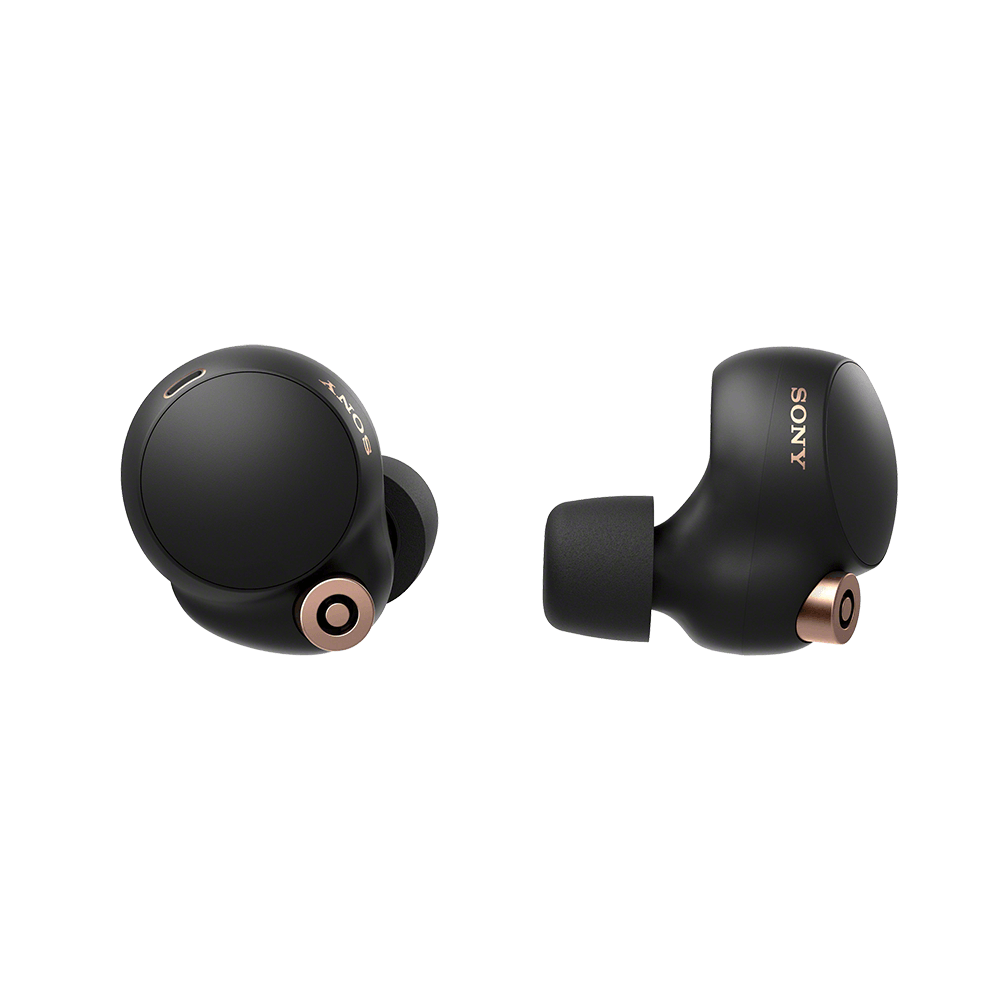
Sony’s WF-1000XM4 are better for a wider range of music. There isn’t much in it, but the difference is noticeable even to inexpert ears.

I’d pick WF-1000XM4 for listening to classical music, jazz or anything with a lot of subtlety and a wide dynamic range. You get a better bass from the Sony earbuds. The AirPods are the equal of the WF-1000XM4 for every other style of music.

All things equalised

Adaptive EQ is clever and makes a difference. It works by using microphones to pick up what you hear in each ear. Then it adjusts the sound to give the best output for your ear shape. You don’t know when it is working, but it is part of the reason why the newer AirPods sound better than the old ones.

Apple’s new feature is spatial audio. This is odd at first. It adjusts what you hear so that as you move your head the device you are listening to, phone, tablet or computer, appears to stay fixed in one place. This sounds better in practice than any writing could describe.

The other neat use of spatial audio is when you are on a group FaceTime call. People appear to be speaking from where they are on screen. The person on your right sounds like they are on the right and so on.

There are Apple Music tracks that have been re-engineered for spatial audio. It doesn’t always work well. There are times when it makes a track sound worse. When it works, you get the feeling of being in the room with musicians.

Third generation AirPods verdict

Spatial audio is something of a work in progress and, other things being equal, not a reason to choose AirPods.

You can buy cheaper wireless earbuds and you can buy ones that have better sound. While they do well, none of the alternatives will give you the same seamless integration you’ll get from pairing AirPods with your iPhone or iPad. The experience remains outstanding and that’s what Apple does best.

AirPods 2: Apple tweaks tidy wireless headphones

Longer battery life, new charging case, hands-free Siri. AirPods 2 are a refreshed version of Apple’s popular wireless earphones. From the outside, you’d be hard pressed to tell Apple’s updated AirPods from the model they replace. The two look identical.

Identical looks mean they also have an identical fit. If AirPods didn’t sit comfortably in your ears last time around, the new model changes nothing. Likewise if you had a problem with them falling out your ears, that’s still going to plague you.

If you are new to AirPods and wonder if they will fit, there’s an easy way to find out. The earpieces are more or less than same size and shape and those on the wired earbuds that come with iPhones. So long as they fit your ears, AirPods will be fine.

There’s also no discernible difference between the sound on the new and old models when it comes to playing music. You still get a full, clear sound.

AirPods 2: Good sounds

The bass is not too heavy and the treble stays under control. You don’t get mentally exhausted by jangling highs. All the music I tried sounded crisp. The AirPods pick up a surprising amount of detail. They cope well with a range of musical genres.

There’s no active or passive noise cancellation and the AirPod design does little to block out excessive background noise. I haven’t had an opportunity to test them on a flight yet, but they work well on public transport.

When AirPods first appeared, I passed because I had recently purchased fancy noise cancelling over-the-head headphones. While the headphones are still more comfortable for long listening sessions, upwards of, say a couple of hours, the pods are so light and unobtrusive that, at first, it’s almost like you’re not wearing anything at all.

Upgraded chip

Apple says the newer AirPods 2 have an upgraded chip which improves performance in some areas: Longer battery life for voice phone calls, faster switching between devices and lower latency.

Because I’m new to AirPods I can’t tell you if the experience is better. What I can tell you is the experience is easily as good as I’ve had from other bluetooth speakers, earbuds and headphones.

With the earlier AirPods you had to double tap to launch Apple’s Siri voice interface. Now you can start the app by saying “Hey Siri”. This is how it works with the iPhone, iPad and Mac. While I’m too embarrassed to do this in public, it works well. Telling Siri to play your music choices is a useful feature when your hands are busy.

Like the earlier AirPods, your music will automatically pause if you remove one from an ear.

Qi charging

The wireless charging case work with Qi. This is a standard, you’ll find it on some iPhones and Androids. It means you can use the charging pads you already have to give your AirPods more juice. In practice it works well, although it isn’t fast.

It takes between three and four hours to fully charge the AirPod case using wireless and around two hours if you stick with the lightning connector.

AirPods show the best of Apple’s approach to technology. In use they are radically simple, so simple and easy to use they merge almost seamlessly into the background of daily life. After a few days you almost forget what life was life before you had them.

AirPods 2 verdict

There are few reasons to upgrade from first generation AirPods and even fewer if you’re not going to use wireless charging. That said, there are stories that ageing AirPods suffer from worn-out batteries, so there will be upgraders.

If you’re the kind of person who aims to impress by owning the latest fashionable kit you’ll be disappointed. While AirPods are something of a fashion accessory, there’s no extra kudos showing off the latest version.

One weakness; AirPods don’t fit everyone and they can fall out of your ears if you are active.

They’re not cheap at NZ$350 for a pair of AirPods 2 with a wireless charging case or NZ$280 for the non-wireless case. Yet, you’ll struggle to find better wireless earphones. They have plenty of battery life and the sound is as good as you’ll find anywhere else.

iPhone XS Max review: Big is beautiful

iPhone XS Max
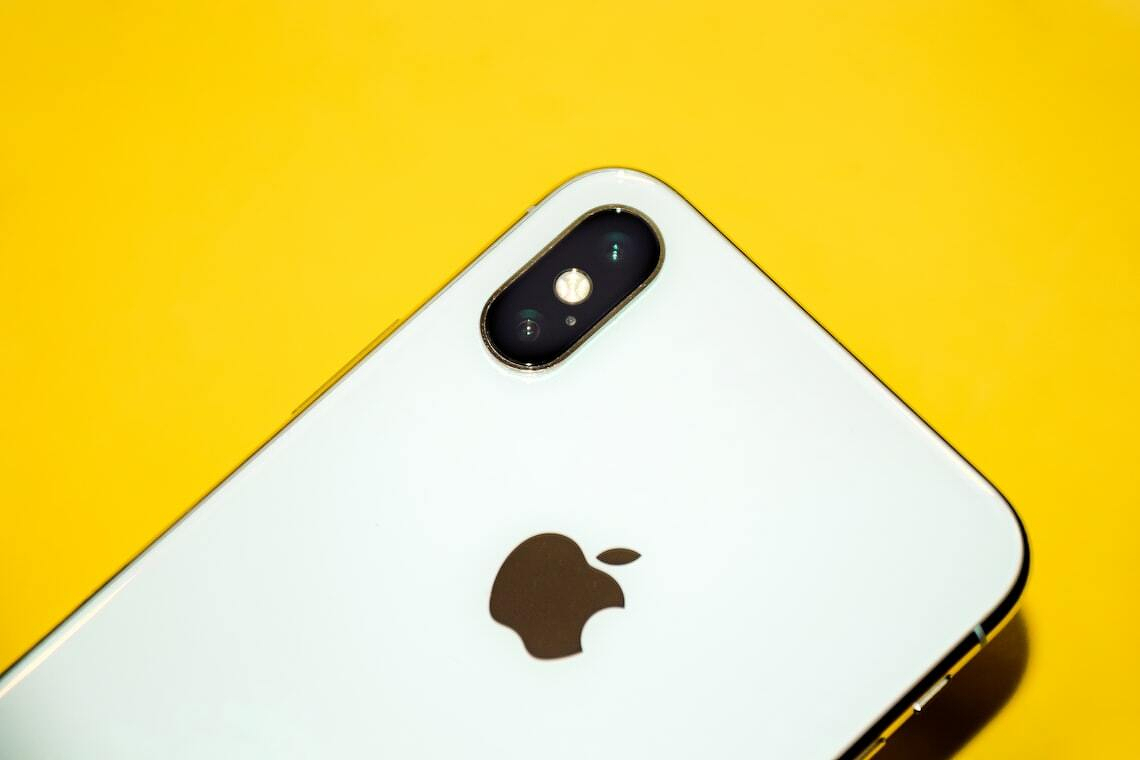
Apple iPhone XS Max/

Apple’s iPhone XS Max represents the state of the phone-maker’s art. It is big, beautiful and screams luxury from the moment you open the box.

The screen is large by phone standards. Any larger and you’d be looking at a small tablet. It is stunning. You get vibrant colours, dark blacks and strong contrast. I’ve never known any phone to be as readable outdoors on a sunny day.

If you want to watch movies, look at photos or read documents this is the best phone for the job. Nothing else comes close.

Nothing else comes close on price either.

Expensive

There is a review model iPhone XS Max in my pocket with 512 GB of storage. It costs the thick end of three grand: NZ$2800.

That’s more storage than most people need. My current phone has 256 GB. In two years I’ve never come close to filling it and see no prospect of doing so.

You can save money by buying less storage.

Apple has a 256 GB version for NZ$2400 and a 64 GB version for NZ$2100. The last of these could be less storage then you’ll need. Although that depends on how you use a phone and how much you send off to the cloud.

Can you justify spending that much money on a phone? That’s something only you can answer.

If, and it’s a huge if, Oppo’s Lamborghini phone is worth $2400, then the 256 GB Apple iPhone XS Max at the same price is a snip.

iPhone XS Max is all about the big screen

Apple wants to let you know all about the camera in the phone. It’s good and we’ll get to that in a moment. But before we move on, let’s make one thing clear: the iPhone XS Max is all about that big screen.

The iPhone XS Max screen covers the same area as the display on the Samsung Galaxy Note 9, another leviathan phone. The difference is in the height-to-width ratio.

Both phones have the same screen-to-body ratio at around 85 percent. You can’t sensibly do less than this without resorting to a gimmick like a pop-up camera. The Apple phone is smaller than the Note 9. It’s a millimetre thinner and 4.5 mm shorter.

I no longer have a Note 9 for direct comparison. Yet I’d say that would be the only other phone screen that comes close to the XS Max in terms of overall display quality.

Too big?

Reviewers and users elsewhere have criticised the iPhone XS Max for being too big to handle. Of course this depends on the size of your hands. This is something that was already established when Apple first went large with the 6 Plus.

In fact I’d go further. Don’t choose an 2018 iPhone model on the basis of reviews like this or advertising. Go into a shop and put one in your hands. If the XS Max is too big, there’s always the smaller size iPhone XS. And while you’re at it, check out the less expensive XR. That could be the best model for you but you won’t know which fits until you handle all three.

Bionic

Apple’s latest processor, the six-core A12 Bionic powers the iPhone XS Max. According to the company it is 15 percent faster than last years A11 Bionic chip and 50 more efficient. There’s also an AI chip that is nine times faster than the one in the iPhone X.

Most of the time you don’t notice this power. The phone doesn’t seem faster than the last two or three iPhones in day-to-day use. Everything already happened in an instant. I don’t recall that waiting around from processing has been an iPhone drawback in recent years.

To complicate matters, Apple’s newest phone operating system, iOS 12, is also snappier and more responsive than iOS 11. Either way, this is one fast phone.

For the most part the applications that use this extra grunt are yet to appear. I’ve seen augmented reality apps that may need all the processing power you can throw at them. There is, however, one area where the processing capability is already put to good use: photography.

Camera

Every phone maker will tell you their cameras are the best in the business. Apple is the same, but in this case it is more than mere marketing bravado.

Apple upgraded the rear dual camera on the iPhone XS Max. It, or they, have the same basic specification as on last year’s iPhone X. That is: two 12-megapixel cameras. One has a wide-angle lens, the other had what amounts to 2x optical zoom. In both cases Apple upgraded the the image sensors and the hard-wired algorithms.

The effect is that you now get better low light pictures. Samsung and Huawei both have a slight edge in this department. But Apple seems to now do a better job of handling detail.

HDR mode is now the default. It has also been improved to the point where high contrast images look far better. In my experience iPhone XS Max pictures taken in bright outdoors beat those on rival phones.

If you like the bokeh effect, you can now add it after taking the shot. It’s a nice option.

Stablisation

Just as important, the image stabilisation works better than before. You can take hand-held video tracking shots which look like they are made with a dolly.

Portraits are now noticeably better too, particularly the shallow depth of field effect around hair and other extremities. The bokeh is also now adjustable after the fact, which is fun.

It’s part of a broader shift — phone makers have made cameras their primary battleground and the processing power behind them is now as important as the optics.

Much of the improvement in photographs is down to the extra processing power. In effect a supercomputer starts tweaking images the moment you press to click.

Phone photography is partly a matter of taste. There may be equals, but nothing offers a better camera experience than the iPhone XS Max.

That processing power gets a workout elsewhere. Apple uses Face ID as its security system. It works well and it works fast. Since setting it up, Face ID hasn’t failed to recognise me even when wearing glasses or sunglasses.

Battery life is good, but not outstanding. There’s more than enough juice for me to leave home at 5 AM, fly out-of-town, work all day and get the last flight home. I don’t feel the need to curtail my use, but then nor do I spend all day watching or making videos.

In normal life I can almost, but not quite, two days from a single charge. The red warning icon kicks in after around 36 hours. That’s eight hours more than I get from the Samsung Galaxy Note 9 .

iPhone XS Max: Verdict

Few people buy a new phone every year. Even fewer are going to do that when the asking price is in the two to three grand range. It’s questionable whether those moving from an iPhone X to the XS Max would get much from an upgrade other than the bigger screen.

It makes more sense to compare the XS Max with the iPhone 7 Plus, which has been my main phone for the last two years. While I don’t feel a pressing need for an upgrade, there’s a lot more phone in the XS Max.

The extra screen size, nicer screen and Face ID are all noticeable. On paper the better camera doesn’t sound much, in practice it is a huge leap. Faster processing doesn’t make much day-to-day difference. The extra battery life does. But then much of the difference between the two phones’ performance here could down to two years of wear.

If you get value from iOS then the iPhone XS Max could well be the way to go. You’d get the most advanced phone on the market and an object of beauty. You might get more value from buying the straight XS model or an XS Max with less storage. With prices starting at NZ$1400, half the price of the fully packed XS Max, the iPhone XR seems like a bargain.

iPhone 7 Plus review — it's all about the camera

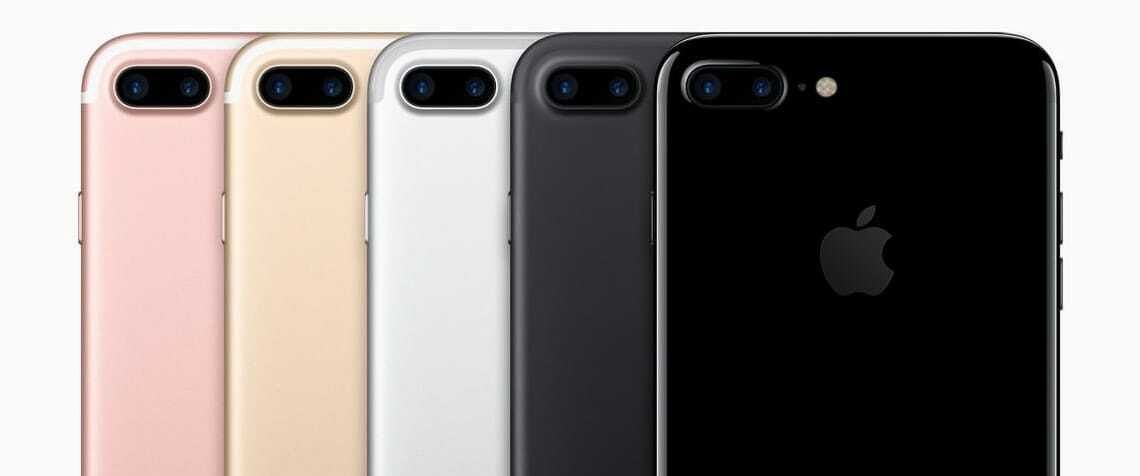
Apple iPhone 7 Plus.

Forget all the nonsense you’ve read about the missing headphone jack. It isn’t important. The key to the iPhone 7 Plus is that it carries a second camera with a telephoto lens. This post was written in September 2016.

Every new iPhone comes with a camera that is better than the last iPhone. Apple has been relentless when it comes to increasing camera speed, pixel numbers and camera performance.

This time both the iPhone 7 and 7 Plus have a 12-megapixel camera with the means to collect a wider range of colours. It also has optical image stabilisation.

New everything

Apple upgraded everything in the camera. There’s a new lens system, updated sensors.

The flash is brighter and delivers a wider range of colours. All this adds up to better pictures than you can get from earlier iPhones. The camera performs better in daylight and in poor light conditions. You’ll get better skin tones and more realistic colours all round.

While these tweaks are a step forward, they are only incremental changes from last year.

Second camera

The big difference is on the iPhone 7 Plus. Here Apple added a second camera with a zoom lens and half the field of view of the first camera. In effect, you get two different looks at the same image.

This gives you 2X optical zoom. That’s a useful hardware addition. It brings the camera experience closer to what you might find on mid-price standalone digital cameras. Being able to zoom like this means the iPhone can do something other phone cameras are unable to do. At least for now.

Digital zoom is often disappointing. On the iPhone 7 Plus images from the two lenses combine so that you can get up to 10X digital zoom. The processing all happens in software. The effect is closer to what you might expect from optical zoom.

The iPhone 7 Plus 2X optical zoom appears as a button at the bottom of the screen when taking photos. If you press and hold this button you can crank up the digital zoom.

Portraits, close-ups

Two lenses mean you get better quality portraits and close-ups. That’s something other phone cameras struggle with.

Software updates are in the pipeline that will extend the dual lens camera. Apple says an iOS update later this year will do this. 

Example photos taken with the camera and the new software show a bokeh effect. The subject in the foreground is in sharp focus while the background is a blur.

Apple isn’t the only phone maker to add a second lens. The Huawei P9 features a dual camera that is co-engineered with Leica. 

Unlike Apple, Huawei uses one lens for colour and the other for monochrome. This works to improve shots in low-light conditions.

Until now you needed to buy a mid-range or better digital camera to get this kind of photographic effect. A bigger physical camera with a larger lens and more depth between lens and the sensors can still take better photos. Yet, having a good camera in your pocket all the time trumps having a great camera in a cupboard. There’s something else too.

Turning point

With the iPhone 7 Plus we are at a turning point. Earlier waves of camera phones wiped out the digital point and click camera market leaving only the enthusiast DSLR segment that the iPhone 7 Plus now begins to threaten.

Since then some consumers have bought digital SLRs because they can get better pictures than phones. Despite the sophistication of dSLRs, most people never get much beyond the automatic settings. They want to take better pictures. That’s all.

There will always be demand for digital SLR cameras from professionals and enthusiasts. Yet most everyday photographers now have all they want from a camera in the iPhone 7 Plus. Expect more devastation in the camera market.

To use a camera well, you need a good quality display. It’s subtle, but the iPhone 7 Plus has a better screen than earlier iPhones. You have to see two iPhones side by side to notice how much better the display is on the 7 Plus.

The difference is most noticeable indoors. It’s brighter. Colours look more saturated. The effect isn’t as eye-catching as on a phone with an OLED display. In particular, blacks don’t look quite as black.

Other changes

While the headline says the iPhone 7 Plus is all about the camera, there are other important changes.

Some folk are going to miss the headphone jack. In the long-term we’ll all get over this. It’ll be like getting rid of floppy discs or optical disc drives on Macs.

For now there will be holdouts who will either hang onto old iPhones longer or buy another brand of phone.

Apple demonstrated AirPods to journalists at a product briefing. They are far more impressive than you might assume and have a whiff of magic about them. Bluetooth pairing is better than normal. Apple has tweaked standard Bluetooth to make it work better at this task.

Their small case is about the size of a TicTac packet. It carries about 20 hours of charge. The AirPods themselves have about five hours charge. So on, say, a long flight, you can recharge them enough to listen all the way to Europe.

Magic

When you take an AirPod out of your ear, perhaps because someone wants to talk, the audio track pauses. This, again, feels a little like magic. Built-in microphones at the bottom of the AirPods mean you can make phone calls.

A lot of people are critical of AirPods and the way they look. There is something nerdy about them. Yet this is Apple, they are not going to become unacceptable like, say, Google Glass. This time next year people will be wearing them on buses and trains like it is no big deal.

Apple hasn’t made a lot of noise about the iPhone 7 Plus processor. It’s not something that will make or break the buying decision for most users. Yet, the processing power inside the phone is off the scale. Throw what you like at it and it will cope. More than cope.

Elsewhere the new home button design with haptic touch is big step forward in phone usability. While the button doesn’t move, it feels like it does. When you put pressure on the button, there’s a kick as the phone vibrates. You get these haptic feedback kicks all over the place. At first it feels odd, within an hour or so phones without haptic feedback feel odder.

Should you buy the iPhone 7 Plus?

If you’re an iPhone fan looking to upgrade, you’ll get a lot moving straight to the iPhone 7 or 7 Plus. If you like smaller phones, the iPhone SE remains a better choice — a phone I reviewed by writing the entire review on it."

Most Android fans won’t like the iPhone 7, but you wouldn’t expect them to. Someone switching to an iPhone 7 from Android might find not being able to tinker with every aspect of the phone frustrating. Android users who prefer not to fiddle will find a slick alternative. Once they’ve adjusted, is easier to master and be productive on.

The question of iPhone 7 or 7 Plus is down to the screen size. Both are big phones, but the Plus model is giant-sized. This something I already tested over six months with the 6 Plus.

Some Apple critics have described the iPhone 7 Plus as boring or lacking creativity. If that’s the case, you could say the same about every new phone in 2016. Putting the camera aside, it’s a steady-as-she-goes upgrade. You should get at least two years of value from the iPhone 7 Plus. It won’t look tired or jaded in 2018.

2018 iPad: More iPad, fewer dollars

Apple’s sixth generation 2018 iPad.

This review was written in May 2018.

Apple’s sixth generation 2018 iPad is a bargain. In New Zealand it costs NZ$540. For many people it is all the computer they will ever need.

Sure, there will be people who consider it dull next to the swept-up iPad Pro. It doesn’t have as many features. Yet it does one important thing that, until now, only the Pro model iPad could handle. The 2018 iPad works with Apple Pencil.

That’s great if you want to use an iPad to create art or jot quick notes without adding a keyboard or dealing with the device’s glass keyboard. This, coupled with the price should open up the iPad to new audience.

It’s a solid, reliable alternative to buying a low-cost computer. Some geeks will hate me writing that.

With this iPad, Apple is doubling down on the strategy that made the recent iPhone SE so compelling; by pairing a powerful, current-generation processor with a tried-and-true physical design, Apple created a entry point into its world that doesn’t break the bank. It will pull new customers to the iPad.

Half the price of an iPad Pro

While the 2018 iPad doesn’t have all the features you’d find in an iPad Pro, it’s close to half the price of the cheapest Pro. The basic model $540 2018 iPad Pro comes with 32GB of storage. In contrast, the cheapest iPad Pro model costs NZ$1100 and has 64GB of storage.

There’s a NZ$700 version of the 2018 iPad with 128GB. If you can find the extra $160 it’s worth it. If you have a large library of music, videos or photographs you’ll soon bump up against the limits of 32GB. With a 128GB you won’t need to continually swap out files to a back-up device or the cloud.

What you get with both models is the classic 9.7-inch iPad Retina display. There are not as many pixels as you’ll find on the 10.5-inch iPad Pro, but the resolution is much the same. It has 2048 by 1536 pixels compared with the Pro’s 2224 by 1668. The 2018 iPad weighs exactly the same amount as the 10.5-inch iPad Pro; around 480 grams.

At 7.5mm, the 2018 iPad is a sliver thicker than the Pro which is just 6.1mm. That’s enough to notice, but not much of a compromise. It’s about 10mm shorter and 5mm less wide. This means you can’t swap covers or keyboards between the two devices. Not that many people will be doing that.

Adding a keyboard

And anyway, the 2018 iPad doesn’t have the Smart Connectors found on iPad Pro models. These make it easier to use a keyboard without resorting to Bluetooth. If you want to run a keyboard with the 2018 iPad there are dozens of options, many are excellent.

It’s a fine tablet for writing on.

The speakers are not as loud or as clear as you’ll find on an iPad Pro.

Another difference between the Pro and the 2018 iPad is that you only get a first generation Touch ID button. It’s a little slower than the newer version and more prone to stumble when you use a fingerprint to sign-in. This is noticeable in practice if you’re stepping down from a newer iPad Pro or have an iPhone 7 or 8.

There’s a software difference too. The 2018 iPad only allows two apps to appear on screen at any time. While the Pro models allow three, this is something I never use on my tablet. I doubt many others will miss it.

The 2018 iPad uses Apple’s A10 Fusion chip, it’s similar, but not as powerful as the A10x Fusion chip in the Pro model. In theory it doesn’t run as fast, you could probably prove this by running benchmarks. In practice, you won’t notice. I didn’t find any lag on the 2018 model, it doesn’t feel slower. In fact, when it comes to speed, it feels almost exactly the same as my first generation 9.7-inch iPad Pro.

Where the 2018 iPad fits

Apple launched the 2018 iPad with an emphasis on education. It’s a great choice for students. Apple critics will tell you the iOS operating system is a walled garden and restrictive. Although there is some truth in this, in practice iOS is as open to the rest of the computing world as all the alternatives. Chromebook, Android and Windows are all as flawed in their own ways – possibly more flawed given their business models.

I’ve spent much of the last year using a 12.9-inch iPad Pro as my main mobile computer. It doesn’t do everything I need, but for most purposes it is more than enough computer. It has travelled overseas and out-of-town with me several times. For the most part the limitations of the 2018 iPad would be the same. If you’re on a tight budget and don’t need a lot of fancy features it could be all the computer you need. It’s a great device for creativity, just don’t expect to edit movies on its 9.7-inch screen.

The key to the 2018 iPad is that you get a lot of computer for not much money. You can buy cheaper Chromebooks, Android tablets and, at a pinch, Windows PCs. Unless you’re looking for an app that doesn’t appear in Apple’s store, this beats all those devices for most people who have light computing needs.

An Apple iPhone SE review written using the phone

Apple iPhone SE
Apple iPhone SE.

You know how, as an adult, you visit the place you grew up and everything seems smaller than it did at the time? That’s what the iPhone SE feels like after 18 months with bigger iPhones. This post was written in April 2016.

There is no better way of getting to grips with a device than using it to write about the product.

In the interest of science I’m typing this iPhone SE review on the phone. I’m using Byword, a great iOS Markdown writing app. Writing a review on the device in question may be ironic, postmodern and meta, but it’s also practical and powerful. By the time I finish this post, I’ll understand the iPhone SE’s practical advantages and flaws.

A classic iPhone design

Apple’s iPhone SE gives small phone seeking consumers most of the power of the latest iPhone 6S in an updated iPhone 5S case. The 12th iPhone to hit the streets uses a classic design that stretches back to the iPhone 4. If you used iPhones before they grew big with iPhone 6, you’ll know what to expect.

New Zealand prices start at NZ$750 for The 16GB model. A 64GB model is NZ$950. The prices are NZ$250 less than iPhone 6 models with the same amount of storage.

The iPhone SE weighs around 115 g. It measures 124 by 57 mm and is about 7.5 mm deep.

At first sight it seems tiny next to the iPhone 6S Plus, that’s not necessarily a bad thing. By the way, that’s a 13-inch iPad Pro next to the iPhone SE in the picture at the top of the page.

Holding it one-handed doesn’t stress my little finger, something I dislike about the heavier, bigger iPhone 6S Plus.

If you come to the iPhone SE from a 5 or 5S you’ll feel at home from day one. You will revel in the extra power and take delight in the new capabilities. The screen will feel normal.

Going back home

If, like me, you find yourself back with a four-inch iPhone after time with a five or 5.7-inch display it’s like visiting the home you grew up in.

It’s familiar and cosy, but you’ve moved on. While you can live there again, you quickly remember why you don’t live there any more. 

Then after a while, you’ll wonder if moving out was such a smart step.

When it comes to reading, bigger iPhone screens are better. That’s obvious and, for the most part, doesn’t need explaining. But that better screen comes at a financial and practical cost.

Small screen

Where screen size matters is in the context of tasks like writing this blog post. I notice I’m squinting more than normal. It’s hard to navigate the page on a small display. I can see less, so I’ve less feel for the flow of my words and for the entire text. I can’t easily tell if my narrative jumps about.

Writing on a small screen is difficult, proof reading is harder again. Proofing your own writing is always difficult. It’s tougher on the small screen because the brain is using up so much of its processing power just reading the words and navigating the text.

Even getting the cursor to the right spot in the text to make an edit is a challenge with the small screen.

On a positive note. iOS auto-correct does a sterling job fixing up the mistyped words and other minor errors. I don’t normally depend on this tool, with the iPhone SE it takes on a new importance.

Typing

Typing on the iPhone SE’s tiny on-screen keyboard is challenging. I’m used to typing on the 6S Plus screen. While not the best tool for feature writing, it can cope at a pinch.

The iPhone SE belongs to a higher difficulty level. It took five tries to type the first capital S in that last sentence. My pudgy fingers kept hitting the A key. Writing speed is glacial.

Finding the shift key is not easy, switching to the number keyboard is tricky. Even typing a full stop requires more effort than on bigger phones.

All this is a wake up call to revisit voice recognition. My 35 years as a journalist mean I think with my fingertips when writing, that may need re-examining. I’ll look at voice recognition on the iPhone SE, if I find anything interesting I’ll report back.

Less productivity than a big iPhone

If I was writing this review on the iPhone 6S Plus, a laptop or a tablet, I would have finished a long ago. When it comes to serious productivity, the small iPhone SE lags behind the 6S or the 6S Plus.

It’s not the right tool for the job. At least not for me.

And yet, there’s something delightful about the iPhone SE that transcends things like productivity: This phone feels right. My hand is comfortable holding the iPhone SE in a way that it is not with bigger phones.

Many readers will see this as a subjective view. Perhaps it is. But that’s the main thrust of this review: The iPhone SE excels as a small, pocketable iPhone, but unlike the bigger iPhones it doesn’t rate as a practical PC replacement.

The sound of one hand typing

Despite the productivity gap, I typed this and the last three or four paragraphs one-handed using my left hand. My thumb reaches all the way across the keyboard. I don’t need to do the iPhone 6 trick of double hitting the Touch ID button to move the top of the screen down.

Writing long-form posts one-handed on the iPhone SE is not comfortable. Nor is it fast. But it works. If I had to, I could compose stories while standing on a commuter bus or train. Typing on a bigger iPhone needs both hands and more elbow room. Because the iPhone SE is a touch thicker it is more comfortable to hold. It feels easier to grip. Less likely to fall from my hands.

Flat

I like the flat sides — you can stand the phone on a table if necessary. I also like the small volume control buttons.

Apple has put the power button back at the top like on earlier phones. It’s a better, more logical position.

One of the nicest physical aspects of the iPhone SE is that the thicker body means there’s no need for the ugly camera bump now turning up in iPhones and iPads. The back of the phone is flat and elegant.

Another benefit of a smaller screen is longer battery life. I set up the review phone 24 hours ago straight from the box. It hasn’t seen a charger since I got it from Apple and yet there is still 27 percent in the tank. I got to the end of this post without charging. Given the phone didn’t arrive with 100 percent charge, this hints at two days use. That’s a big plus. Either way it looks to have better battery life than the iPhone 6S, about the same as the 6S Plus.

Storage

iPhone SE storage tops out at 64GB with the $950 model. When I first transferred my data from the iPhone 6S Plus last night I found there was 22Gb that didn’t make the trip. Almost all of that was music files.

That is a likely deal-breaker for some potential buyers.

If you choose the 16GB iPhone SE you’ll need discipline managing the storage. Even 64GB is a challenge when you have a large collection of digital music. I recommend you choose 64GB unless you are certain you’ll not be shooting video, carrying photo collections and listening to stored audio.

Not just storage

There are other possible shortcoming to watch out for. None of them are deal-breakers, but collectively they may add up to a reason not to buy the iPhone SE.

The iPhone SE uses an older version of Apple’s Touch ID sensor. In practice this doesn’t amount to much of a compromise. It just works a fraction slower. Some may find this a blessing, at times the newer Touch ID sensor is a little too quick for comfort.

If you’ve used an iPhone 6S or 6S Plus you may miss the 3D Touch feature where you can press harder on the screen to fire up secondary commands. I found myself trying to use it on the SE even though I knew it wasn’t there.

This is not likely to worry anyone who is coming to the SE from an older iPhone, but if you use 3D Touch a lot, you may be frustrated by its absence.

Apple has used an older front facing camera on the SE. If you make lots of FaceTime calls or use similar video conferencing, this may bother you, but, on its own, this is not a reason to dig deeper and spend on a more expensive iPhone.

Likewise the display doesn’t have as much contrast as the 6S and 6S Plus. I did a side-by-side comparison and its clear that photos have better contrast on the bigger iPhones, but again, this is not a deal-breaker.

Is it worth buying?

There are two questions to consider before choosing the iPhone SE.

First, can you get away with 64GB of local storage? Given that many buy iPhone 6S and 6S Plus models with 64GB, that’s down to how you use your phone and what you want from it.

While most of us can live with this, especially if we store audio, photo and video files in the cloud, some users will find this limit too restricting.

Which brings us to the most obvious question: is the smaller display going to work for you? The larger screen shows much more text or graphics at the same time. Or, you can use the extra screen size to zoom out making text easier to read and picture detail easier to view.

As I found when writing this review on the iPhone SE this aspect of the larger iPhones is a big deal in terms of productivity.

If you don’t use your phone for heavy-duty apps, writing or to read large amounts of material, you’ll probably be happy with the iPhone SE’s trade-off between screen size, pocketability and being able to control it one-handed.

The eyes have it…

In my case the killer deciding factor is eyesight. Until recently I had good eyes and found a four-inch screen more than adequate. That changed when I found I had macular degeneration. This is kept under control with drugs, but for a while I struggled to see a small screen. Many, many people also have eye problems and need a bigger display.

The flip side is that I only need a big screen iPhone some of the time. There are Macs, tablets and PCs at home with all the screen real estate I need.

Some of the time the convience of a small, one-hand device trumps the productivity benefit of a bigger iPhone. And it is much more portable. It fits into short trousers and shirt pockets — bigger iPhones have trouble with both.

Well, that’s the theory. You’ll need to decide on these matters for yourself, as far as I’m concerned, I’ll stick with the larger screen iPhone 6S Plus because on the occasions when I need iPhone productivity, I can’t compromise. And on the days my eyes are bad I’d struggle to read the small display.

… And yet that little iPhone SE feels so right in my hand.

Why is there an iPhone SE?

Apple says it made the iPhone SE because of customer demand for a smaller iPhone. This isn’t a marketing hunch. It is a hard-nosed decision backed by powerful evidence. Last year 30 million people bought the iPhone 5S.

Which is a good place to start. The iPhone SE has the same four-inch screen as the 5S. The case is the same size and physically similar.

Looks are deceptive

While the outside looks like the iPhone 5S, under the skin it is an iPhone 6S.

This is a marketing challenge for Apple.

Conspicuous consumers — let’s not pretend they don’t exist — want to be seen and noticed with the latest glamorous hardware. The iPhone SE looks like an old iPhone. Few casual observers would see it as anything else.

In the case of the review model in my hands, the only clue that it isn’t an iPhone 5S is that it has a Rose Gold finish. You’d have to be intimate with Apple’s product range to know that colour wasn’t available on the 5 series iPhones.

Footnote: Writing the iPhone SE review on the phone

I composed, wrote, fact-checked and otherwise researched almost all the text in this post on the iPhone SE. The post took about half as long again to write as it would have taken on a Mac or iPad Pro. That’s maybe 25 percent slower than writing the same story on a large screen iPhone.

In the end I couldn’t do everything from the phone. I had to open the document on my Mac to give it a last proof-read and polish.

If I was writing a story to send to another editor to proof-read, I would have gone straight from the phone, but found my eyes were starting to feel the strain of dealing with over 2000 words on a tiny screen.

One month with the Apple MacBook Air M3

Apple MacBook Air M3
Apple MacBook Air M3.

Posted in May 2024. From the outside, Apple’s latest MacBook Air appears identical to its 2022 counterpart. It has the same ports, a great screen, terrific keyboard and the best trackpad you’ll find on any laptop. It is still thin and light.

From the outside, Apple’s latest MacBook Air appears identical to its 2022 counterpart. It has the same ports, a great screen, terrific keyboard and the best trackpad you’ll find on any laptop. It is still thin and light.

Despite two years of hefty inflation, the M3 MacBook Air’s NZ$2050 starting price is unchanged. You could view that as a de facto price cut. Apple still offers the 2022 model with prices starting at NZ$1800.

The main change is the switch from the M2 to M3 chip. This brings a significant bump in power, depending on the application the laptop is anywhere from 15 to 20 per cent faster than its immediate ancestor. It’s a huge leap up from the M1 or Intel MacBooks.

Better WiFI

Other changes include a welcome upgrade to WiFi 6E. If your router supports WiFi 6E you’ll notice a huge jump in data speeds. My gigabit connection gives me more than 600 mbps direct to my home office.

Apple has also reconfigured the external monitor hardware so you can run two external screens from the M3 MacBook Air.

Beefing up the processor does not take a toll on the computer’s battery life, you can still get more than 16 hours use before needing a recharge.

You can be forgiven for thinking that a 15 to 20 per cent increase in power does not amount to much. Nothing could be further from the truth. For many years now Intel-based laptops have only managed low single digit increases in computing power between generations. Apple continues to squeeze performance from its chips.

The performance jump is immediately noticeable when moving between MacBook Air models. It is even more noticeable when moving from an Intel Windows laptop to the Air.

M3 MacBook Air closes gap with MacBook Pro

In practice it means the new MacBook Air can run apps that might previously have required a MacBook Pro. In the meantime the MacBook Pro has moved up to the point where it outperforms many “workstation class” Windows laptops.

For the past month the 13-inch M3 MacBook Air has been my main computer. During that time, I haven’t heard the fan switch on once. Indeed, I had to check to see if there is a fan in the case.

Apple says you can get 18 hours from a single battery charge. That may be true, but I need to have a brighter screen and find I can work for around 16 hours without needing to use the MagSafe cable. On a recent two-day trip away from home I took the wrong power cable and power anxiety only kicked in late on the second day.

Price

Prices for the M3 MacBook Air start at NZ$2050. That buys a computer with 8GB of memory and 256GB of storage. It’s adequate if you never run lots of apps at the same time and mainly use your laptop for the web, basic office applications and video calls.

Otherwise you’d need to look higher up the range. More demanding applications and practical multitasking require 16GB of memory. That takes the price to $2400. There’s also a 24GB option. You need to make the right call when you buy as the memory is not upgradable.

Storage

The base model’s 256GB storage is modest by 2024 standards. You could live with this if you don’t store many media files your computer. More likely you will need to buy more storage at the time of purchase. Like memory, this is not upgradable.

There are options with external drives, network drives and cloud services but these are clumsy compared with getting a bigger drive in the first place. I find 512GB is essential.

Adding 16GB memory and 512GB storage to an M3 MacBook Air lifts the price to NZ$2750. Apple sent a review model with 16 GB of memory and a terabyte of storage. This configuration costs NZ$3100.

There is a 15-inch model with prices starting at NZ$2500.

Premium laptop

These prices place the M3 MacBook Air firmly in the premium laptop bracket. That’s fine, it is more than competitive with rival premium laptops from the likes of HP or Dell.

People tend to think of Microsoft’s Surface Laptop as a direct competitor to the MacBook Air. Prices are similar. The base model Microsoft Surface Laptop 5 is NZ$2000 for a model with 8GB of memory and 256GB of storage. The M3 MacBook Air is considerably more powerful than the Surface Laptop 5 which feels like it is at least a generation behind Apple’s laptop.

M3 MacBook Air verdict

For now Apple’s M3 MacBook Air is the best all-round laptop in the world and certainly the best option in its price range. You won’t find a better blend of features, functionality and performance anywhere else. You’ll power through your daily work with ease.

Unless you work for an employer who insists on Windows, this would be a good time to think about jumping ship to MacOS. Apple either beats or equals every rival when it comes to the laptop’s keyboard, trackpad and the physical case. You won’t find a better screen or better speakers and its webcam is top class.

They don’t get much attention but Apple’s Touch ID and the WiFi 6E modem are also huge plus points. There is an attention to detail that rival laptop makers rarely match.

That said, it’s not cheap and it might be overkill for some readers. If your needs are not demanding and want to spend less, the M2 version costs NZ$250 less and has almost everything.

If M2 MacBook Pro can't tempt you from Intel, nothing will

In 2021 Apple moved ahead of the laptop pack with its M1-powered MacBook Pro. That model set new standards for processing power and battery life. This report from 2023 looks at how the M2 MacBook Pro takes performance and battery life further. It's not cheap, but the most demanding users will see it as a wise investment.

Apple-MacBook-Pro-M2-Pro-and-M2-Max
Apple MacBook Pro M2 and M2 Max

16-inch MacBook Pro at a glance

For: High performance, very long battery life, miniLED ProMotion screen, excellent speakers and great design. MagSafe.
Against: Expensive. Can’t upgrade Ram after purchase. No Ethernet port.
Maybe: Not compatible with Windows Boot Camp can run Parallels desktop. Webcam is excellent, but doesn’t feature Centre Stage.
Verdict: Every aspect is best in class. It’s an outstanding laptop for people who need power, but it comes with a hefty price tag.
Price: From NZ$4600. Review model costs NZ$6350.

At first sight Apple’s 2023 MacBook Pro looks identical to the 2021 model. Externally, little has changed and that’s no bad thing.

The 16-inch model has a full-size backlit keyboard (280mm by 115mm). It’s the best I’ve used on a laptop, with a precise, comfortable feel. A Touch ID key handles security, making logins and payments quick and painless.

The trackpad is large (160 × 100mm) and superbly responsive—again, the best I’ve seen on any laptop.

Apple’s Liquid Retina XDR display is stunning. It refreshes at up to 120Hz, with sharp text, vivid images and, if needed, searing brightness. Apple quotes a 1,000,000:1 contrast ratio. On the review unit the 16.2-inch screen delivers 254 pixels per inch.

There’s also an SDXC card slot. In testing, file transfers from an older camera card were effectively instantaneous.

Raw computing power

The review unit has a 12-core M2 CPU: eight performance cores and four efficiency cores. The 2021 model’s M1 Pro had 10 cores, so the newer chip adds two efficiency cores.

In practice, this MacBook Pro is about 20 percent faster than its predecessor. That’s noticeable, though probably not enough to tempt 2021 owners to upgrade. Anyone coming from an Intel MacBook will see a huge leap.

Benchmarks only tell part of the story, so I focused on real-world tasks. Using HandBrake to encode a library of DVDs for Apple TV, the MacBook Pro completed the job in less than a quarter of the time taken by my 2020 Intel MacBook Air.

It’s not a gaming laptop, but it handles demanding graphics work with ease. Rendering lossless audio from a digital audio workstation took a fraction of the time compared with the MacBook Air.

Beyond that, I struggled to find anything in my workflow that could push the M2 to its limits.

Outstanding battery life

The 100Wh battery combined with Apple Silicon’s efficiency delivers extraordinary endurance.

Apple claims up to 22 hours of video playback. In a controlled test, with WiFi and Bluetooth off, moderate brightness, video looping, the MacBook Pro ran for 27 hours, comfortably exceeding that figure.

In everyday use, writing, browsing, light photo work and background encoding, I saw around 16 hours. That’s roughly two full working days on a single charge.

Long battery life changes how you use a laptop. You stop thinking about chargers, power points or rationing screen time. It feels closer to using a phone.

It’s also enough to cover most of a New Zealand–Europe flight, assuming you sleep part of the way.

Fast charging

Apple’s 140W power adapter delivers a 50 percent charge in about 30 minutes, with a full charge taking roughly 90 minutes.

MagSafe has returned, which means a stray foot won’t send your laptop crashing to the floor. You can still charge via USB-C if needed.

Video camera

Laptop webcams are often poor, but not here. The MacBook Pro has a 1080p camera with a four-element lens. In video calls, others consistently reported clearer images.

That clarity can cut both ways: during one call, someone spotted a competitor’s product on a distant desk.

Like modern phone cameras, it uses computational video powered by the M2’s neural engine to improve exposure, colour and noise. You can’t easily judge that from your own feed, but the results are obvious to others.

macOS Ventura also lets you use an iPhone as a webcam. On this machine, the built-in camera is good enough that the feature feels redundant.

Speakerbox

Laptop audio is usually an afterthought. Here, it’s a highlight.

While testing FL Studio, I accidentally switched from headphones to the built-in speakers. The difference was striking: full, balanced sound with real bass, that’s something laptop speakers rarely deliver.

The six-speaker system (four woofers, two tweeters) handles music and video calls with clarity and volume, with little distortion even at higher levels.

Apple also supports spatial audio. With compatible content, the effect is impressive. It won’t replace a hi-fi, but it’s ahead of any laptop I’ve used.

WiFi 6E and Bluetooth 5.3

WiFi performance is strong. With WiFi 6E support, you can use the less congested 6GHz band, assuming you have a compatible router.

In testing, downloads peaked at over 920 Mbps on a gigabit fibre connection, matching wired Ethernet speeds.

Weaknesses?

There’s a good selection of ports, but no built-in Ethernet. That’s usually fine, but I still needed a dongle to connect directly to a network drive.

Memory and storage aren’t user-upgradable. While repairs are possible, unofficial upgrades may run into restrictions.

Running Microsoft Windows

Apple Silicon Macs can’t use Boot Camp. Instead, I used Parallels Desktop to run Windows. It works well, but it’s expensive and comes with licensing complexity.

VirtualBox is a free alternative, but the Apple Silicon version remains unstable at the time of writing.

Talking points

Verdict: 16-inch MacBook Pro

Apple’s 2023 16-inch MacBook Pro is an outstanding high-end laptop. It delivers immense performance and class-leading battery life, with few meaningful weaknesses.

It’s expensive. Prices start at NZ$4600 for a model with 16GB memory and 512GB storage. The reviewed configuration (32GB, 2TB) costs NZ$6350, while fully loaded versions climb far higher.

Even so, pricing is competitive with workstation-class PCs. If anything, Apple has the edge in performance per dollar.

Two months with an M1 MacBook Air

M1 MacBook Air Thermal

This unconventional review of the M1 MacBook Air, written February 2021, is about the experience. Think of it as a glimpse into a possible mobile computing future

At first sight there’s little to tell the new M1 MacBook Air from the most recent MacBook Air model. From the outside they are peas in a pod.

The only physical difference are the small icons printed on the F4, F5 and F6 function keys. You have to look to notice. They show controls for MacOS’s Spotlight search, dictation and Siri features. A globe printed on the function key at the bottom left of the keyboard tells you this can open an emoji picker.

Clues There are a few more clues to help distinguish the two MacBooks. The M1 model is much faster. We’ll come to that in a moment. The battery goes for hours longer between charges. We’ll look at that in more depth later.

Apple’s M1 MacBook Air is cooler and quieter. There is no cooling fan. It doesn’t need one. Mind you, the fan on the older MacBook Air doesn’t kick in until you push the hardware. With my writing work, that’s not common. I’m a journalist. I spend the bulk of my MacBook time writing. I prefer lightweight writing apps over the big, sprawling word processors. Yet there are jobs where I have to use Microsoft Word. In normal use none of the writing apps in my toolbox draw on enough resources for the cooling fan to kick in.

Goodbye humming fan To get the fan humming I’d need to run a media creation app or do a demanding spreadsheet or database task. It also hums when playing games.

That said, the old MacBook Air can still warm up during a lengthy work session. After two months with the M1 model, I’ve yet to detect the merest hint of processor heat. Given that I spend the bulk of my MacBook time writing, I didn’t expect to get much of a performance kick from the M1. After all, it doesn’t help me type faster.

Processor intensive Yet, in practice there are dozens of small processor intensive tasks that now work faster. I rarely used dictation on my Mac. It wasn’t great. It is now. The new MacBook Air shows how much processor speed changes that experience.

Likewise Siri. Because I’ve been a touch typist for years I tend to use keyboard commands others might prefer speech. Movies load faster. Complex web pages perform better. On the odd occasion where I need to edit a photo, clip audio files or chew through a lot of data it all happens at speed. I’ve never had a problem waiting for a MacBook Air to wake-up when I open the lid. It happens in a few seconds. With the M1 model, it happens in fewer seconds. That’s not a big deal, but I like it.

Pushing Safari The other effect is more subtle than that. I’ve learned not to have more than a handful of apps open at any given moment and to not push Safari by opening lots of tabs. That could test my old MacBook Air. These restrictions have gone. when. testing this, I got bored opening new apps and tabs long before the new Air began to struggle with the workload.

You can benchmark the new Macs to get interesting looking figures. These numbers may mean something to certain people. Yet I’d argue everyday use matters more: The new Macs offer a much improved experience. It feels more fluid, more natural, there’s less of a gap between what you might want from a computer and what you get. One aspect of the M1 Macs that worried users was the 16GB limit for system Ram. The MacBook Air never had more Ram, but MacBook Pro models could have 32GB. Desktop Macs could have 64GB. In the event, it’s not an issue. M1 Macs have a design that does more with less Ram. To my surprise I found I ended up more excited and enthusiastic about the new M1 MacBook Air than expected.

The new normal The problem with performance boosts is that higher speeds soon become normal. As an acid test, I fired up the old MacBook Air. I wanted to know different the new experience was. The test confirmed it, the M1 MacBook is much better.

There’s a link between a fast processor like the M1 in the new MacBook Air and gigabit fibre or Fibre Max as the Commerce Commission prefers us to call it. Few, if any, everyday applications that push a gigabit fibre connection to the limit. Yet having plenty of headroom means you’re never going hit a speed barrier. Likewise, even if you have modest computer needs, there are times when headroom is useful. Say you’ve spent months working from home on gigabit fibre. Then, say, you return to the office and a more modest connection speed. That connection now feels laggy and flat, even though it may be fast by accepted standards. That’s how the M1 MacBook Air feels after using the Intel model.

Battery One reason I switched from Windows to a MacBook Air seven years ago was the improved battery life. I could get more than ten hours from the MacBook. The Windows machine it replaced struggled to do three hours.

At that time I had a job working part-time in an office. I’d take my MacBook on the bus and work a full nine-hour day without hunting for a power outlet. Two years later the MacBook could still last the entire working day. It changed how I worked. The Air had enough battery life for a long-haul flight. Enough to work in the Koru lounge and for the trip to, say, Singapore with a few hours of down time for naps or meals. Apple’s M1 MacBook Air almost doubles that time. I won’t be taking any long-haul flights soon, but, if I did, it would get me to Barcelona or Paris. Working from home, I can go a couple of days without charging.

This is the start It’s interesting to realise that Apple used its new processors first in low-end models. There are M1 models of the MacBook Air, the entry-level 13-inch MacBook Pro and the Mac Mini. The message isn’t that subtle. If Apple’s low-cost laptops are this fast, what can we expect from more expensive models?

Which leaves us with another question. How is this going to affect the Windows laptop and PC market? At the time of writing, Apple’s low-end Macs are at least a generation ahead of Windows computers. When Apple releases its Pro model computers that gap could be wider. Let’s stop and qualify that last paragraph. The NZ$2200 eight core M1 MacBook outperforms almost every Intel-based laptop. This includes models costing twice as much. There may be faster Windows laptops out there. Good luck finding one.

Fanless Intel can’t build a fast fanless Windows laptop. The Air is silent. If that matters to you, that’s an Apple advantage its rivals can’t match.

When I first switched back to Macs from Windows, I configured my MacBook to dual boot Windows and MacOS. I stopped doing that years ago. If there’s a spare Windows licence in my home, I can no longer find it. Reports suggest a MacBook Air runs Windows faster than native Windows laptops. That has to rattle Intel. Last week Intel responded with its own set of cherry-picked benchmarks in an attempt to prove… well, it’s not clear what that goal was other than to muddy the waters. From a user point of view, you now need a powerful reason to choose a Windows laptop over a MacBook.

Pages 12 review: Apple’s overlooked free word processor

Apple Pages 12
Apple Pages 12

This post is from May 2022.

If you use a Mac or an iPad, Apple’s Pages 12 could be the only word processor you need. It’s free, easy to master and, unless you are a lawyer or an academic it includes everything you are likely to need.

Pages 12 at a glance

For: Free, great for layout, all the features most people need.
Against: Native file format, fewer features than Microsoft Word.
Maybe: Collaboration with other iWorks users, iCloud app.
Verdict: Good looking, easy to use. Pages is great option for Apple users who don’t plan to do complex word processing
Rating: 4.5 out of 5 – score is for Apple users.
Price: Free
Web: Apple Pages

You may already have Pages 12. Apple installs the software on new Mac computers. It doesn’t come preinstalled on new iPads or iPhones, but you can download it for free from the App Store.

There is a web version of Pages on iCloud that anyone can use, you don’t have to be an Apple customer. The web version works fine with Windows, ChromeOS or Android. You will need to sign up for a free iCloud account that comes with 5GB of storage.

Where iWork fits in the bigger picture

Pages 12 is part of iWork, Apple’s office productivity suite. It sits alongside Numbers, a spreadsheet and Keynote, a presentation app. The three are made to be used with each other and share many common ideas and controls. Learn to use one and you have learned them all.

For many Apple users Pages will be the only word processor you ever need. It integrates brilliantly across the various Apple devices and to iCloud. You can move from device to device and get the same user experience, Pages works much the same way everywhere.

The main alternatives to Pages are Microsoft Word, which is part of Microsoft Office and Google Docs which is part of GSuite.

Office and GSuite are not free, although there are free options. You may not find these free options enough for serious work. If you prefer free software there is LibreOffice.

Microsoft Office and LibreOffice offer more features, but many of these are not essential for everyday word-processing.

Is Pages as good as Microsoft Word?

The simple answer to this question is that it depends on what you want to do and who you work with.

Pages, Word and Google Docs each have a different central focus. Pages is all about putting words and pictures onto a printed or online page.

Its strength lies in layout.

You could produce an advertisement, a newsletter or a pamphlet faster with Pages than with, say, Microsoft Word and a layout app.

You might choose Pages as a low cost alternative to a professional design application like Adobe Indesign.

Compare Pages with Word

In comparison, Word has every conceivable word processor feature including many that you may never use. This makes it popular with large companies and professional users, such as lawyers.

It is a sprawling, complex comprehensive application. That makes it versatile, but it takes a long time to learn how to get the best from it. In comparison Pages is lighter and quicker to master.

Apple built Pages to work with its computers, tablets and phones. If you are familiar with these products, Pages will feel familiar. Microsoft developed Word for Windows computers. These days the Mac versions are far better than in the past, but there are times when that Windows heritage can confuse Mac users.

Is Pages better than Google Docs

Again, it depends what you want to do and who you work with.

Google Docs’s strength is in collaboration. Pages is great for collaboration if you only work with colleagues who use Macs. Otherwise it is not as good as Google Docs. Nor is Microsoft Word.

While Google Docs is good on a desktop or on a ChromeOS device, it is far from the best choice on a tablet or a phone. Google’s mobile apps are inferior to Pages or Microsoft Word. Pages works far better on Apple tablets and phones.

Likewise Pages is a long way ahead of Google Docs for layout and complex documents. In terms of features it sits between Google Docs and Word.

Using Pages 12

You can use Pages on multiple levels. Need to knock up a document fast? Pages can do this, it will guide you through adding typography and inserting images. You can power through the tasks in no time.

There are templates to help you get started. Pages has the best range of templates of any popular word processor and there are many more you can download from Apple and third parties.

When you first open Pages you’ll see a main window and a right-hand sidebar. This sidebar shows formatting and layout controls. If you want to focus on words, it is easy to hide the side-bar.

A second, optional left-hand sidebar can show comments and features like a table on contents.

Unlike other word processors, there isn’t a draft view. This can be annoying at first because, as the name suggests, Pages is organised around pages. And like every other word processor, that means it sees the world from a printed document perspective. No matter what you are working on, there can be headers and footers to navigate, even if you plan to build a single online-only document.

Working with others

Pages can opening and write documents for other word processor formats but has its own native format. Some features, largely to do with layout, don’t necessarily make it when converting to other document formats. And nothing else reads native format Pages documents.

This isn’t a problem in practice as long as you remember which features don’t translate. You can’t send a native Pages document to a colleague using Microsoft Windows and expect them to open it. There is a workaround, but it involves them signing up for an iCloud account and opening the document in the online version of Pages.

Life is far easier if you remember to save your Pages document in Word before sending. You can choose to send as PDF, text or RTF. Don’t expect your formatting to stay unchanged if you make a round trip where a colleague edits and returns the document.

The software picks up almost everything from other formats. You could, say, open a Microsoft Word document that has review comments and mark-up, then work through these in Pages.

Pages collaboration works fine if you work on the same document as a colleague using either Pages or the web app.

Pages for Mac, iPhone, iPad

Pages for Mac works really well. Yet Pages can shine on an iPhone or iPad, especially if you use one of them with a Mac. You’ll see a simplified view of the app, but all the desktop features are there. You may have to dig around to find them.

On the iPhone you can use a screen view designed to make editing easier. It hides the images and fancy features allowing you to focus on the text.

Apple has a feature on its operating systems called Continuity. It means that if you have Bluetooth switched on and both devices are on the same Wi-Fi network, you can move seamlessly from editing a Pages document on one device to another. Another feature called Handoff means you can pick up on another device where you left off.

It feels like magic to work on a desktop document at home and continue to edit the same document on your iPhone while riding on a train or bus to work.

If Pages 12 has a weakness it is dealing with long documents. It’s fine if you are writing anything up to a few thousand words, say a long essay, magazine feature or book chapter. Things break down when documents get bigger than this.

Reviewer’s notes

The iPhone and iPad versions of Pages have a useful Presenter Mode which can turn your device into a teleprompter or autocue. Words appear in big text without any images or distractions and you can make it automatically scroll down.

A recent update adds support for Apple’s Shortcuts automation tool.

Pages has support for language translation on the fly.

You can use Apple’s Scribble software with Pages on an iPad. It works with the Apple Pencil to turn handwritten notes into typed text. This feature is powerful if you want to add text to a document while you are standing up.

Pages is a good option if you plan to produce Apple Books.

Pages 12 verdict

If you live and work exclusively with Apple devices Pages 12 is potentially the best word processor for your needs. There are simpler alternatives, Markdown editors are a good choice if you crave simplicity and minimalism. And there are more complex alternatives, Word had more features. Yet for many users Pages 12 is a solid choice and it is free.

📢 For alternatives see: A Mac user's guide to word processors and other writing apps, and for iPad users: A practical guide to writing on the iPad.

Apple Pages 5 review

_This is an excerpt from an Apple Pages 5 review that was published July 8, 2014. _

Many long-term Pages users were not impressed when Apple updated its iWork word processor from Pages ’09 to Pages 5 in late 2013.

People who invested time and effort learning and mastering the earlier Pages ’09 version of the software found key features were missing. If they had written scripts, many stopped working.

In time the features returned. Apple drip-fed updates restoring much of what was missing in the first version of Pages 5. Pages: the name tells the story

Pages is not a standard word processor. The name is a giveaway. It is a page design tool first and a word processor second. It was first built to make works look pretty on the printed page. Later the focus shifted to creating good looking online documents.

It does this well. Pages is a low cost alternative to Adobe Indesign for people who need to make words and pictures look good, but who don’t need professional tools and don’t want to pay a lot for them.

It can deliver great looking designs. You don’t need to be an expert to get results.

As a word processor?

Apple talks about Pages as a word-processor. It is part of iWork along with the Numbers spreadsheet and the Keynote presentation manager.

Like it or not that puts it up against Microsoft Word, Excel and Powerpoint or Google Docs, Sheets and Slides.

Pages 5 does not feature collaboration tools like Google Docs. Nor does it have the heavy duty tools you’ll find in Microsoft Word. It’s more basic in these departments.

Writing space

You get a clean writing space and easy access to the controls needed for adding styles. It’s productive and trouble free.

You can work with documents that come from Word or Google Docs and you can send Pages documents back to these apps. You’ll even see many of the review marks from the other applications – although not all. There are few, if any, problems converting between document formats.

Tracking changes

It’s not the best tool for jobs where you need to track changes with clients, but it can cope.

Pages 5 is the best tool if you want to share and edit documents across a Mac, an iPhone and an iPad. There are apps for all three devices and they work much the same in each.

The big change in the move from Pages ’09 to Pages 5 is iCloud. You can choose to store documents on your Mac’s hard drive or to iCloud. This means you could start writing a document on an iPad at home. Pick up the document from iCloud on your phone while riding the train to work, then finish it off on your desktop Mac in your office.

Pages 5 verdict

Apple Pages 5 is free for Apple users. You can’t argue with the value. It is more than good enough for everyday writing jobs, can handle many, but not all, more difficult tasks and massively outperforms Word or Google Docs if you need to create a good looking layout.

If you are committed to Microsoft Word or Google Docs you may not want to switch, but the option is there should you need it.

Why I had to stop wearing the Apple Watch

Apple Watch
Apple Watch

This post is from December 2015.

A few days after first wearing the Apple Watch I found myself scratching my irritated wrist. I took a break from wearing it and my wrist got better.

For a while I fell into a pattern of only wearing the watch when I worked away from home. At home, I’d leave it off. This runs counter to the idea of wearable devices, but it worked for me.

At least I thought it did. I was getting a mild rash and would find myself scratching my wrist and the area around it. But things seemed under control.

It turns out they weren’t.

Discomfort

There was still some discomfort. I took to loosening the band in case the problem was to do with it being too tight. My skin didn’t improve. In fact the problem got worse. I found the area where my thumb meets my hand was red and itchy.

At home, Johanna says she noticed swelling around my wrist, across the lower part of my hand and thumb. We compared my right and left hands. I wear the watch on the left hand, but am right-handed for most things. The left hand is clearly swollen in comparison with the right.

My instinct was to wear the Watch even less and keep an eye open for more symptoms.

Warning Will Robinson

Ten days ago I visited a medical specialist needing treatment for another medical problem. Like a lot of people he noticed my Apple Watch. I thought he was interested in the technology. He wasn’t. Instead he took a closer look at my rash and told me to take the watch off.

He told me I had an allergic reaction to the material. It could be the strap — my Watch has a black Sports Band. Or it could be the watch itself.

The medical specialist asked if my reaction had worsened over the weeks I’ve been wearing the watch. I couldn’t be certain, there’s a boiling frog aspect, you don’t notice a slowly worsening skin reaction creeping up on you.

After some thought, I realised it was getting worse.

Potentially serious

He said this could be serious. It turns out some allergic skin reactions have a cumulative effect. They can go on getting worse and reach a point where it is hard to recover. In extreme cases it can lead to anaphylactic shock.

Now, this was the doctor’s reaction after seeing the rash. I wasn’t there for this condition and we didn’t take things further. It wasn’t a formal diagnosis, just some friendly, informed advice.

Apple Watch allergy warnings

Apple acknowledges some people may have a reaction to the Watch materials. It says it went to great lengths to test and check materials first. The Apple Watch support website offers some advice on possible allergic reactions.

Material care

It says: “A great deal of care and research go into choosing materials for all our devices. A small number of people will experience reactions to certain materials.

“This can be due to allergies, environmental factors, extended exposure to irritants like soap or sweat, and other causes. “If you know you have allergies or other sensitivities, be aware that Apple Watch and some of its bands contain nickel and methacrylate.’

Apple suggests people who have problems should talk to a doctor before wearing or returning to wearing the Watch. I’ve done that and for me, the long-term review is over.

The best thing about the Apple Watch is that has made me more aware of my health. Some irony there.

Apple 2015 MacBook: Between laptop and tablet

Apple 2015 MacBook
Apple 2015 MacBook - photo: Rüdiger Müller - CC BY-SA 4.0

This post was written in April 2015.

Apple’s newest lightweight laptop isn’t a MacBook Air. It’s simply called MacBook — a pared-down name for a pared-down computer.

It draws on ideas Apple developed for the iPhone and iPad. The result is a mobile computer as elegant, compact and polished as anything you can buy in 2015.

The new MacBook is thinner, smaller and lighter than any other laptop.

Not laptop, nor tablet, nor hybrid

In some ways it isn’t a laptop, at least not a traditional one. Nor is it a replacement for the MacBook Air.

It sits between the Air and an iPad with a Bluetooth keyboard running OS X. It’s laptop-like and tablet-like, but not a hybrid. Think of it as a new class of device for people who need more than an iPad and less than a full-blown laptop.

Built for mobile work

This isn’t a computer for everyone. The MacBook comes with compromises many won’t accept.

But it suits anyone who needs reasonable power on the move, say, a journalist working away from home. I took one to Wellington earlier this month to cover a conference.

Journalists were among the first laptop users. If you’ve ever carried a portable typewriter on a plane, you’ll understand why. On the road we value three things above all: portability, a good keyboard and enough power to run essential apps.

The MacBook ticks all three.

Portable

Apple designed the MacBook for portability above all else. Some reviewers worry about the keyboard. I’m fussy, yet had no trouble with it.

If there’s a weak point, it’s the processor. It’s fine for my work, but may not suit yours.

Small and light

It never occurred to me I’d want a laptop smaller or lighter than a MacBook Air. Then I met the MacBook.

My 2013 13-inch MacBook Air has travelled everywhere with me. It never felt heavy or burdensome. The MacBook doesn’t either — but it is lighter.

At 900g, it’s about a third lighter than the Air’s 1.35kg. On paper that’s significant. In a travel bag, less so.

You notice the difference more when carrying a backpack all day or using a briefcase. There the reduced weight means less strain — and, more than once, I found myself checking the bag to make sure the MacBook was still there. It really is that light.

You notice it immediately when holding the machine. The Air can be held one-handed, but not for long. The MacBook is easier to carry that way.

It’s also remarkably small. Despite the 12-inch screen, it has a smaller footprint than the 11-inch Air and is only a little larger than an iPad. At 13mm thick, Apple has effectively built a full laptop in something close to tablet size.

Built to travel

There’s more to portability than size and weight. The MacBook is beautifully made, with Apple’s usual attention to detail.

The anodised aluminium unibody feels solid and durable — important for a machine that spends its life on the move. It inspires confidence.

Battery life

Battery life is part of portability. My MacBook Air once ran all day — 12 or 13 hours — on a charge.

The MacBook doesn’t quite match that, but it gets close. On my Wellington trip it handled around 10 hours of solid work with charge to spare, including some time using cellular data after the venue WiFi timed out.

That’s good enough.

Keyboard

Typing is my trade. I write thousands of words a day and have done so since the days of manual typewriters.

So I pay attention to keyboards.

Despite criticism elsewhere, I had no problems with the MacBook keyboard after two weeks and around 10,000 words.

Apple says it designed the keyboard first and built the computer around it. That feels right.

The keys are larger, flatter and backlit individually. They travel less than traditional keys, which some dislike. I didn’t notice the difference.

There’s a short adjustment period — muscle memory takes time — but that’s true of any new keyboard. My typing speed didn’t suffer. If anything, it may have improved.

Trackpad

Until now, the MacBook Air had the best trackpad around. The MacBook’s Force Touch trackpad is better.

It responds to pressure as well as movement. A light press selects; a deeper press triggers extra functions like dictionary lookups.

It takes a day to learn, then becomes second nature.

Retina display

I’d seen Apple’s Retina displays before, but not used one for everyday work.

What surprised me wasn’t the sharpness, but how it changed the way I work. On the Air I tend to use full-screen apps. On the MacBook, the higher resolution makes it easier to juggle multiple windows on a small screen.

USB-C

The most controversial feature is the single USB-C port, which also handles charging.

It’s more versatile than older ports, but there’s only one. Apple expects you to rely on wireless connections and use adapters when needed.

So far, that works for me. My storage is mostly wireless. The only awkward moments come when connecting an iPhone or iPad — something I’ll deal with when necessary.

I do miss MagSafe. It was reassuring to know a power cable trip wouldn’t send the laptop crashing to the floor.

Reasons not to buy

This is not a mainstream laptop.

If you need power, look elsewhere. It will struggle with heavy tasks like video editing or large-scale image work.

If you rely on ports, the single USB-C connection may frustrate you.

And it isn’t cheap. At around NZ$2000, it carries a premium.

But “better specs” depend on what you value. If portability matters most, the MacBook delivers.

Should you buy one?

Maybe. It depends on your needs.

If you travel often, don’t need much processing power and can live without plugging in devices, it makes sense. Few laptops are this mobile.

If you were thinking of replacing a laptop with a tablet and keyboard, the MacBook is a compelling alternative.

Otherwise, stick with the MacBook Air or Pro.

For my work, the Air remains the better fit — but if I spent more time on the move, I’d choose the MacBook.

Apple's MacBook Air - the first year

This story was written in July 2014.

Last June I switched from a Windows 8 desktop, without a touch screen, to an Apple MacBook Air.

Four reasons prompted the move:

How did it work out?

Portability

Although I didn’t work away from home as often as expected, when I did, the MacBook Air’s thin, light design was everything I hoped for. It did service at four or five away from home conferences and many client offices around Auckland. I also used it on planes and in cafes.

Because I’m a journalist, I need a decent keyboard and a good, readable screen. While on paper Windows UltraBooks offer similar hardware, to date no-one has improved on the six-year-old MacBook Air format.

MacBook Air all-day battery

Battery life isn’t what it was. A year ago I could work more than ten hours on a single charge. Today there’s still enough juice to last a whole day away from home. I get about eight hours out of the MacBook Air now.

I rarely feel the need to pack a power supply when I’m working in someone’s office which means I can slip the computer into a neat leather case.

In part the shorter time is because battery life declines over time. However, I’ve changed the settings and now crank up the screen brightness which drains power faster. I also tend to leave Bluetooth and Wi-Fi on even when I’m not using them.

Even so, I’d say Apple more than delivered on its battery life promise.

Keyboard, screen

I worried about ergonomic problems when I moved from a Windows desktop with full keyboard to the MacBook Air. There were none. Even when I ran into serious eye problems earlier this year, the MacBook and its ability to zoom was just fine.

Some complain the MacBook Air doesn’t have the high-resolution Retina display found on the iPad Air or the MacBook Pro. Presumably a big increase in pixels would push the battery harder — I prefer to stick with the existing display.

One other point, the MacBook Air’s 3:4 format screen is better for writing than the thinner postbox-shaped displays found elsewhere.

OS X, applications

Moving from Windows to OS X didn’t present any serious problems. A year on I still have to look up how to do obscure, rarely performed tasks on the Macintosh operating system. But I didn’t experience any hiccups. OS X is stable, I can go a long time between reboots and I’m not always sure they are necessary anyway.

Microsoft makes it easy to switch from Windows to OS X. My Office 365 subscription means I have to put up with out-of-date Office apps.

When I wrote Two months with the MacBook Air I said:

The 2011 Mac version of Microsoft Office is a disappointment after the 2013 Windows version. I find myself using it less and less preferring other tools. Unless Microsoft fixes this, I won’t renew my Office 365 subscription when it lapses early next year.

That didn’t happen because my Office 365 licence is shared with the other computers at home and my iPad, iPhone and Windows Phone. Damn it, Office 365 is too good a deal. And anyway Microsoft says a refresh is due soon. Maybe. In the meantime, I’ve been using Apple’s iWorks software.

What happened since buying the MacBook Air?

Microsoft’s first generation Surface devices were on sale when I bought my MacBook Air. I passed over these because the original RT Surface was underpowered and the first generation Surface Pro was both a touch underpowered and overpriced.

Although Chromebooks are not ideal tools for journalists and professional writers, their throwaway price and ridiculously low management overheads make them worth thinking about. OK. I’ve stopped thinking about them. The keyboards, screens and writing software are not up to the job. Let’s move on.

To me the Surface sits somewhere between the MacBook Air and the iPad. It’s a tablet, but the letter box-shaped Window means it’s not so comfortable switching between portrait and landscape modes. It’s a tablet, but I bet few Surface owners choose not to buy the optional keyboard.

Microsoft Surface

In practice Surface feels more like a touch screen laptop. I’ve nothing against touch screens. They have their place, but when you bang out words for a living, you don’t want to move your fingers too often from the keyboard to the screen. When I spent time with a Surface I ended up with horrible wrist pains from that action.

Despite all that, second generation Surface devices — and more recently the Surface Pro 3 — are fine alternatives to the MacBook Air. Surface would be my second choice behind a new MacBook Air.

Three things give the MacBook Air an edge:

A better, squarer display is important for writing. I need to see more lines of text and not a greater width of text. Incidentally, it’s harder to proofread across a wide measure. And the 13-inch screen makes for better writing productivity.

Microsoft’s newer Type Cover 2 keyboards are better than most tablet add-ons, but they are not as good for my kind of bashing out words typing style as the MacBook’s keyboard. Also, having the keyboard as an add-on means there’s something that conceivably could get left behind. I can’t risk that.

Microsoft’s Surface makes the MacBook Air look inexpensive. A 2014 MacBook Air with 13-inch screen and 256GB storage costs NZ$1650. A Surface Pro 3 with the same storage and a typewriter style keyboard is 25 percent more expensive at NZ$2077.

One year on

So far I’ve not mentioned what is perhaps the most important aspect of owning any work computer: productivity.

Life with the MacBook Air is more straightforward than my time with Windows. I doubt I’ve spent more than an hour or two doing anything resembling maintenance since I got the computer. In contrast I spent a couple of hours last week fixing a minor problem on my daughter’s Windows laptop.

The hours I’ve regained are more than worth the price of the computer. At the same time, OS X does better at getting out-of-the-way than Windows. There’s a better focus on the user interface and that leads to greater productivity. On the flip side, there’s less flexibility, but that’s not what I look for in a work tool.

After one year I’m still convinced I made the right decision with the MacBook Air. I’d certainly buy another, perhaps after the next refresh or the one after that.