Tiny, powerful and pricey, the Oura Ring 4 tracks sleep, fitness and stress without a bulky watch. For some people, skin reactions could be a real risk. This post was written in October 2025..
Review: Oura Ring 4
The Oura Ring 4 is the latest version of a popular smart ring that tracks fitness, sleep and stress. This is not a full review. Testing finished early because of an adverse skin reation. Think of it as a snapshot.
Many readers will like the idea. I could not live with the reality. In testing, it did not last 24 hours on my finger.
I’ll explain in more depth why this happened later. First, some background.
The ring is a neat piece of engineering. It weighs five or six grams and sits quietly on your finger while monitoring vital signs.
There are limits. Small devices can only hold so many sensors. Physics and thickness still matter.
The Oura phone app
There is no display on the ring, so you use a phone app to view data. The ring connects over Bluetooth.
The app is well organised and easy to navigate. Some details take a little digging, but it works well.
You can see heart rate in real time. A sleep score appears soon after you wake.
Other insights take longer. You need to build up a body of data before recommendations appear.
Sizing kit before you buy
The ring is about the size of a large wedding ring. Before shipping, Oura sends a sizing kit. There are 12 sizes.
There are multiple colours and finishes. Buying direct, prices start at US$350 for silver. Most models cost about US$500. At the time of writing that’s roughly NZ$850 to NZ$900, plus GST. New Zealand pricing is exchange-rate dependent and may date quickly.
You can also buy from retailers such as JB Hi-Fi. At the time of writing, a gold model sells for NZ$979.
This is not a product you should buy blind. Fit matters.
Oura is expensive for a smart ring. It costs more than rivals from Samsung. At this price, you could also consider an Apple Watch.
Even basic functionality requires a subscription
There is a controversial catch. The ring is of limited use without a subscription.
When you register, you are asked to complete account setup. That includes payment details.
The fee is US$6 a month or US$70 a year. It is not huge, but it feels steep after the upfront cost.
By comparison, Samsung does not charge for its ring app. Apple does not charge for core Apple Watch health features, although that could change.
There is a wider trend here. Hardware makers are looking for ongoing revenue from connected devices. Not everyone will like that.
Without a subscription, you see only basic scores for readiness, sleep and activity, along with battery alerts.
Battery life
The lack of a display helps battery life. Oura claims up to eight days on a charge.
That sounds plausible. I could not test it. My experience did not last long enough.
Why I had to send the ring back
I found the ring less comfortable than a smartwatch.
It is light, but noticeable. If you are not used to wearing rings, you may feel strange.
In my case, things got worse. Ten years ago I had a serious skin reaction to an early Apple Watch.
I kept that in mind during testing. At first, the ring felt fine, if slightly irritating. Later, my finger became itchy, then faintly red.
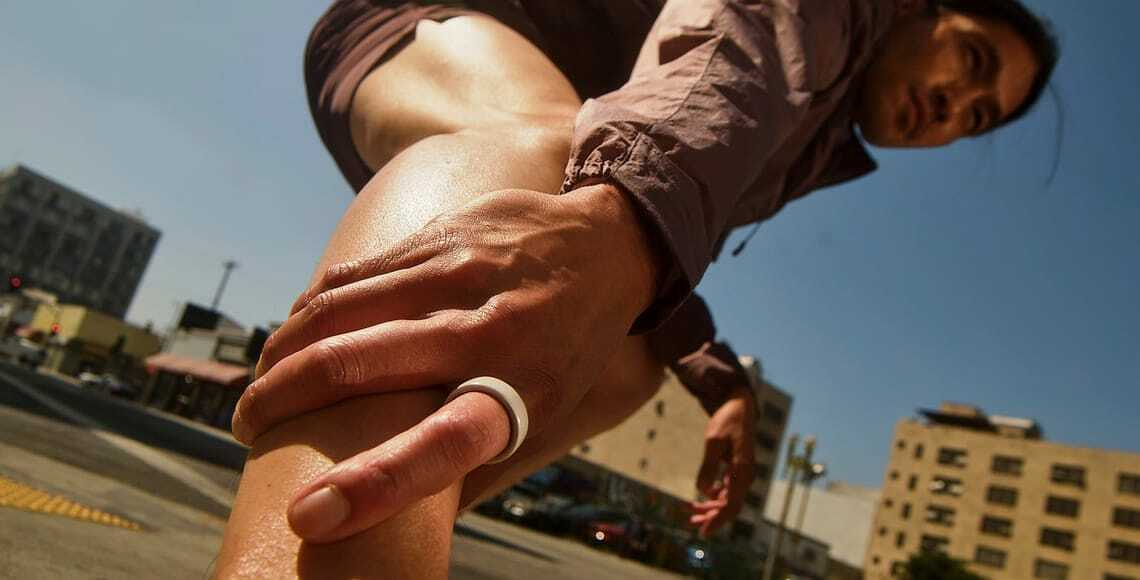
At around 1:30am I woke in pain. My finger was swollen and throbbing. It was hard to remove the ring. Another hour or two and it might not have come off.
By morning, the swelling remained. I did not wear the ring again.
Oura acknowledges this risk. Its safety advice says you should remove the ring if irritation occurs and seek medical advice if symptoms persist.
Verdict: Oura Ring 4
It is unusual to deliver a verdict after limited use. Even so, the idea is sound.
Oura has built a device that can track health data without getting in the way. For most people, it will be unobtrusive.
It may even flag health issues early. That alone could justify the cost.
For a minority, comfort and skin reactions will be a barrier.
