Last June I switched from a Windows 8 desktop, without a touch screen, to an Apple MacBook Air.
Four reasons prompted the move:
I needed portability and my older Windows laptop was too long in the tooth, not portable enough.
After looking at and test-driving Windows UltraBooks I saw Apple’s 2013 MacBook Air cost the same as a comparable Windows 8 PC. In the event I picked up a 13-inch Apple MacBook Air with a 256 GB solid state drive for NZ$1700.
I’d been using an Apple iPad for a year and an iPhone for a few months. It was clear Apple’s technology stack suits the way I work.
The MacBook Air’s thin, light design was important but more than anything I couldn’t go past its claimed 12-hour battery life
How did it work out?
Portability
Although I didn’t work away from home as often as expected, when I did, the MacBook Air’s thin, light design was everything I hoped for. It did service at four or five away from home conferences and many client offices around Auckland. I also used it on planes and in cafes.
Because I’m a journalist, I need a decent keyboard and a good, readable screen. While on paper Windows UltraBooks offer similar hardware, to date no-one has improved on the six-year-old MacBook Air format.
MacBook Air all-day battery
Battery life isn’t what it was. A year ago I could work more than ten hours on a single charge. Today there’s still enough juice to last a whole day away from home. I get about eight hours out of the MacBook Air now.
I rarely feel the need to pack a power supply when I’m working in someone’s office which means I can slip the computer into a neat leather case.
In part the shorter time is because battery life declines over time. However, I’ve changed the settings and now crank up the screen brightness which drains power faster. I also tend to leave Bluetooth and Wi-Fi on even when I’m not using them.
Even so, I’d say Apple more than delivered on its battery life promise.
Keyboard, screen
I worried about ergonomic problems when I moved from a Windows desktop with full keyboard to the MacBook Air. There were none. Even when I ran into serious eye problems earlier this year, the MacBook and its ability to zoom was just fine.
Some complain the MacBook Air doesn’t have the high-resolution Retina display found on the iPad Air or the MacBook Pro. Presumably a big increase in pixels would push the battery harder — I prefer to stick with the existing display.
One other point, the MacBook Air’s 3:4 format screen is better for writing than the thinner postbox-shaped displays found elsewhere.
OS X, applications
Moving from Windows to OS X didn’t present any serious problems. A year on I still have to look up how to do obscure, rarely performed tasks on the Macintosh operating system. But I didn’t experience any hiccups. OS X is stable, I can go a long time between reboots and I’m not always sure they are necessary anyway.
Microsoft makes it easy to switch from Windows to OS X. My Office 365 subscription means I have to put up with out-of-date Office apps.
When I wrote Two months with the MacBook Air I said:
The 2011 Mac version of Microsoft Office is a disappointment after the 2013 Windows version. I find myself using it less and less preferring other tools. Unless Microsoft fixes this, I won’t renew my Office 365 subscription when it lapses early next year.
That didn’t happen because my Office 365 licence is shared with the other computers at home and my iPad, iPhone and Windows Phone. Damn it, Office 365 is too good a deal. And anyway Microsoft says a refresh is due soon. Maybe. In the meantime, I’ve been using Apple’s iWorks software.
What happened since buying the MacBook Air?
Microsoft’s first generation Surface devices were on sale when I bought my MacBook Air. I passed over these because the original RT Surface was underpowered and the first generation Surface Pro was both a touch underpowered and overpriced.
Although Chromebooks are not ideal tools for journalists and professional writers, their throwaway price and ridiculously low management overheads make them worth thinking about. OK. I’ve stopped thinking about them. The keyboards, screens and writing software are not up to the job. Let’s move on.
To me the Surface sits somewhere between the MacBook Air and the iPad. It’s a tablet, but the letter box-shaped Window means it’s not so comfortable switching between portrait and landscape modes. It’s a tablet, but I bet few Surface owners choose not to buy the optional keyboard.
Microsoft Surface
In practice Surface feels more like a touch screen laptop. I’ve nothing against touch screens. They have their place, but when you bang out words for a living, you don’t want to move your fingers too often from the keyboard to the screen. When I spent time with a Surface I ended up with horrible wrist pains from that action.
Despite all that, second generation Surface devices — and more recently the Surface Pro 3 — are fine alternatives to the MacBook Air. Surface would be my second choice behind a new MacBook Air.
Three things give the MacBook Air an edge:
A better, squarer display is important for writing. I need to see more lines of text and not a greater width of text. Incidentally, it’s harder to proofread across a wide measure. And the 13-inch screen makes for better writing productivity.
Microsoft’s newer Type Cover 2 keyboards are better than most tablet add-ons, but they are not as good for my kind of bashing out words typing style as the MacBook’s keyboard. Also, having the keyboard as an add-on means there’s something that conceivably could get left behind. I can’t risk that.
Microsoft’s Surface makes the MacBook Air look inexpensive. A 2014 MacBook Air with 13-inch screen and 256GB storage costs NZ$1650. A Surface Pro 3 with the same storage and a typewriter style keyboard is 25 percent more expensive at NZ$2077.
One year on
So far I’ve not mentioned what is perhaps the most important aspect of owning any work computer: productivity.
Life with the MacBook Air is more straightforward than my time with Windows. I doubt I’ve spent more than an hour or two doing anything resembling maintenance since I got the computer. In contrast I spent a couple of hours last week fixing a minor problem on my daughter’s Windows laptop.
The hours I’ve regained are more than worth the price of the computer.
At the same time, OS X does better at getting out-of-the-way than Windows. There’s a better focus on the user interface and that leads to greater productivity. On the flip side, there’s less flexibility, but that’s not what I look for in a work tool.
After one year I’m still convinced I made the right decision with the MacBook Air. I’d certainly buy another, perhaps after the next refresh or the one after that.
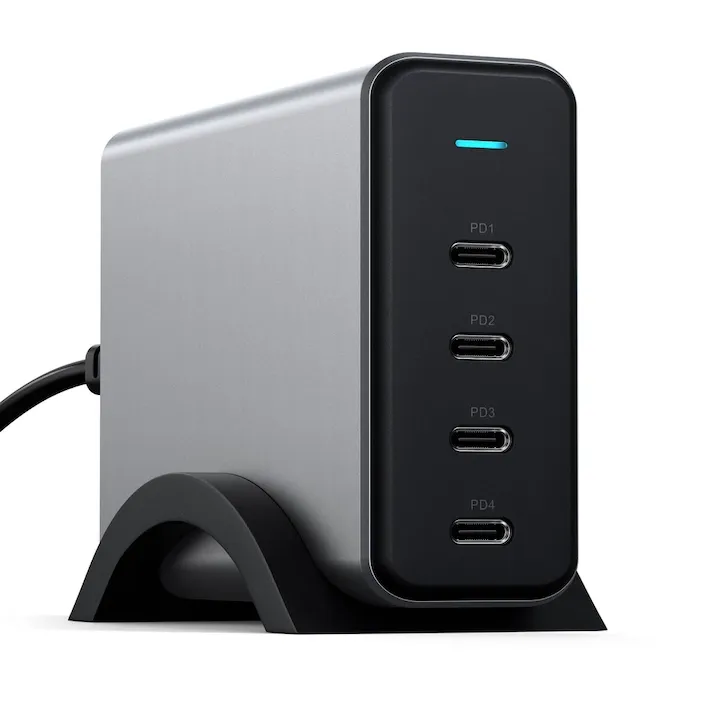
If you need to charge a handful of devices at the same time and in a hurry, Satechi has the answer.
The product’s name, Satechi 165W USB-C 4-Port PD GaN Charger, spells out what it does and how.
From the top: There’s 165 Watts of power. That’s a lot. In comparison the 2023 16-inch MacBook Pro includes a 140W charger which is considered a lot by modern laptop standards.
More power means faster charging or charging more things at once. We’ll get back to that in a moment.
USB-C means it works with almost every modern device. Today’s laptops, tablets and Android phones use USB-C. Apple’s' iPhone is one notable exception although reports suggest it will switch with the next generation.
Not that it matters in this case, because the iPhone’s current Lightning connector cable has a USB-C port at the end that plugs into a charger. My Apple Watch is harder to accommodate. It has a USB 3.0 plug. There are compatible USB-C cables, but in my case I used a USB 3.0 to USB-C adaptor.
The review Satechi charger has four ports which means you can charge your laptop, tablet, phone and smart watch at the same time. It automatically configures the power output depending on what is connected and can use one of these schemes:
100W, 100W/60W, 60W/60W/45W or 100W/30W/30W, 60W/45W/30W/30W, up to a total of 165W.
Satechi uses Gallium Nitride (GaN) technology which replaces silicon-based semiconductors. This is used to make blue LEDs, there’s one on the case to drive this point home.
Gallium Nitride can work at higher temperatures and higher voltages than traditional power semiconductors. In practice the charger doesn’t tend to heat up as much as conventional chargers, even when it is working at full capacity.
Satechi’s marketing is understandably geared towards selling the 165W charger on the back of its fast charging and power efficiency. As we’ve seen, it delivers in both departments.
There’s another less obvious benefit. Peek under the desk in many home offices and there will be a rats' nest of cables, charging plugs and distribution boards. They can be the worst places for collecting dust and quickly become unsightly and unhealthy.
The Satechi four port charging hub can replace more than four traditional cables. You can rationalise your cables and chargers, sweep away the distribution boards and simplify the home office.
Talking points:
Apple and a handful of other manufacturers no longer include chargers with phones, which means a third-party charger capable of doing more can be a smart purchase.
It takes about 90 minutes to charge a 16-inch MacBook Pro from zero to full using the Satechi charger. That’s roughly the same time as Apple’s charger. I found an iPhone charges much faster than with the official charger. (The next two times it gets to empty I’ll benchmark that).
It is handy to take when travelling as hotels, motels or Air BnBs rarely have multiple spare sockets for charging devices.
If you go overseas it can automatically adapt to voltages between 100 and 240V.
The list price is NZ$185, but while writing this review I noticed local retailers selling it for $150.
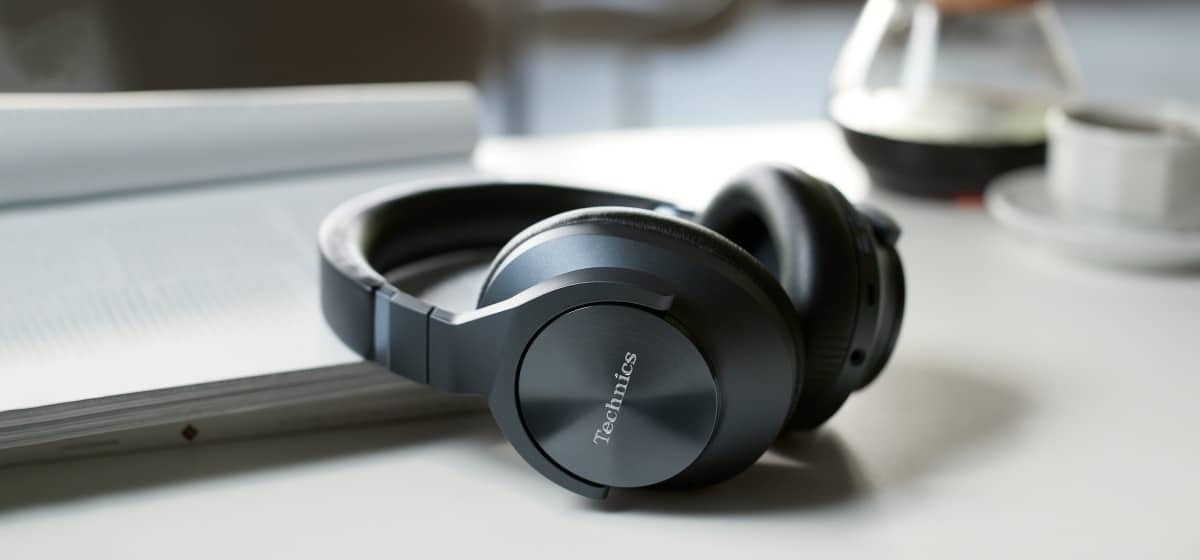
This review of the Technics EAH-A800 Bluetooth headphones was published in March 2022. The headphones offer superb sound quality, great noise cancelling and a long 50 hour battery life.
Headphones and earbud sales were picking up steam before many of us were sent home to work or study when the Covid pandemic first arrived.
The mini-boom started five years ago with Apple’s first AirPods, then ticked up as people working from home found they needed a private audio space either to work or entertain themselves.
Technics first showed up on my radar late last year with the excellent EAH-AZ60 and AZ40 earbuds. Now Technics is back with the EAH-A800 over-ear headphones.
Mouth watering specification
On paper the EAH-A800 has a mouth watering specification. In practice the headphones live up to their promise in every department except one, and that department is far from a failure.
Let’s start with the best feature: sound quality. I can’t find anything bad to say about it. The sound is realistic and perfectly balanced. The headphones are a solid argument to swap out your entire digital audio collection for lossless tracks.
With the EAH-A800 I could notice flaws in music or recording that might be glossed over with desktop speakers or earbuds.
I keep a set of flat-response wired monitor headphones to listen to the music I make myself. They show the EAH-A800 delivers a near perfect sound. You could probably use them for the same task.
Sparkling sound
The bass is deep and under control all the time, the highs can be bright without any jarring effect.
Yet the best is in the middle, you’ll get all the detail. Piano-based jazz is my go-to for testing headphones, with the EAH-A800 it can be like sitting in a small intimate jazz club metres away from the band.
Each ear cup has eight microphones to pick up ambient noise. The can capture your voice if you make a call on a connected device. And when you do, there are chambers and holes to restrict wind noise.
The company’s marketing talks about combining analogue and digital active noise cancelling techniques. In practice the results are solid, not outstanding.
I tested the EAH-A800 headphones while watching a football match on Spark Sport in the house while a contractor was mowing the lawn a few metres away. The headphones did not eliminate all the noise, but enough to make the commentary easy to hear.
For a follow up test I listened to music while a loud fan was pushing air around the room. Even before the first note played, the fan sound reduced to the barest whisper. Once the band got started you couldn’t hear any external sound.
EAH-A800 noise cancelling
Other recently tested over-ear headphones do a better noise cancelling job than the EAH-A800. The Technics headphones are not best-in-class for noise cancellation, but they are good. If you’ve not experienced active noise cancelling before, you will be impressed.
Tiny earbuds leave little room for batteries. You’ll be lucky to get a few hours listening before reaching for the charging case. With the EAH-A800 Technics says you get 50 hours between charges. I can’t verify that because I’ve not been able to listen long enough to check the claim, but it seems plausible.
A few other things need mentioning. Technics has a terrific build quality. My Sony MDR-1000X noise cancelling headphones are five years old. They have been around the world twice and on half a dozen long haul flights.
Which means they have seen a lot of travel and a lot of use, but now they are battered and worn. About a year ago the plastic holding the ear cups in place crumbled. Sure, five years and thousands of hours of listening is not bad. Yet I suspect the Technics headphones will last longer. Remind me to let you know in 2027.
Comfort is important if you spend a lot of time with headphones. I found the EAH-A800 to be among the more comfortable headphones I’ve tested in the past two years. Likewise the controls work fine for me.
Verdict – Technics EAH-A800
The world is awash in wireless headphones, earbuds and similar technology. It’s technology that has leapt forward in recent years. Technics EAH-A800 is up there with the best, the only flaw is that the noise cancelling is a tad behind the best-in-class. Otherwise all the features you need are there and the sound quality is excellent.
One last note: When researching this review I looked online for up-to-date price information and found a confusing range of deals. You could pay anywhere from NZ$300 to $500 for the EAH-A800. At the bottom of that range they are a bargain. You’ll be hard pressed to find anything of similar quality at that price.
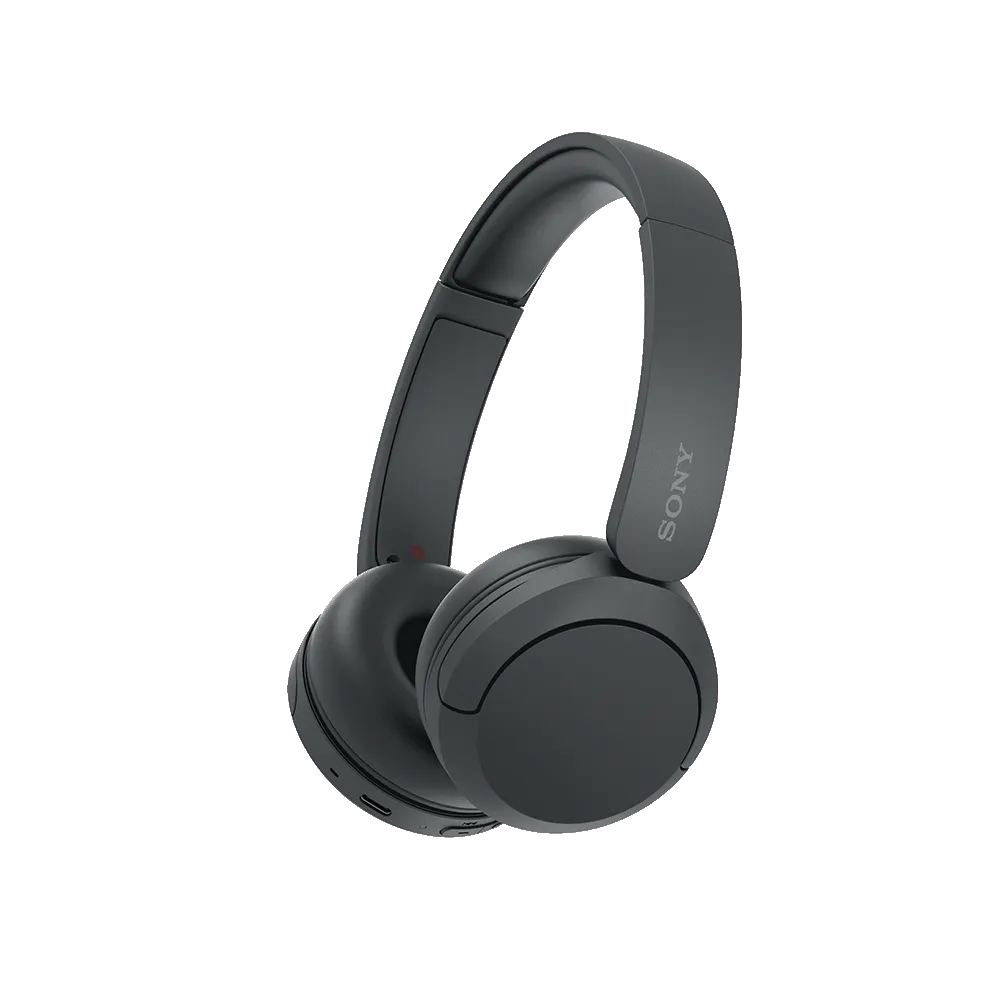
Originally posted in April 2023, the Sony WH-CH520 are a pair of decent sounding headphones from a known brand at a low price. While there are few features, you won’t find better headphones for under NZ$100.
If you are on a tight budget and looking for decent Bluetooth sounds, the NZ$89 Sony WH-CH520 headphones are hard to walk past.
That money won’t get you active noise cancelling or fancy features. It does buy up to 50 hours of battery life, Sony’s Digital Sound Enhancement Engine1 and Bluetooth Multipoint which eases the handover as you move between devices.
There is voice control and the WH-CH520 will work with Sony’s Headphones Connect app.
You can buy the WH-CH520 headphones in four colours. There’s black, white and beige. Sony sent a blue pair for testing.
Surprisingly good sound
The sound is surprisingly good. You’d need to spend three or four times as much as you pay for the WH-CH520 to get a noticeably better sound.
You’ll be more than satisfied using the headphones to listen to voice calls or Zoom calls. The built-in microphone is average. You may be better off using your phone, tablet or laptop mic.
Headphone and earbud makers have a habit of boosting the bass and treble, occasionally pushing headphone speakers beyond their natural range and introducing distortion. Sony hasn’t fallen into this trap.
Balanced
Instead you’ll hear a pleasing well balanced sound. It’s not as natural as you might get from more expensive headphones and there’s a lot of audible compression, but you’d expect that in this price range.
You’ll be happiest if you listen to pop music or the less bass-heavy EDM. Mainstream rock works well, although prog rock fans might hit against the headphones’ limits if the music ventures into classical territory.
Classical music is less satisfying. If you are a fan then you would be better off spending more on headphones. Likewise, if you want lossless digital music or spatial audio, you should shop elsewhere.
Sony’s DSEE is optional. You can select it from the headphones app. Sony says it puts back the detail that is lost when music is compressed. In testing this was, at best, marginal.
This could be down to the specific tracks tested, despite running through a range of styles. What you do get from DSEE is a fraction more warmth. It’s nicer with DSEE than without, but the feature doesn’t take the headphones up a class.
DSEE Engine, is a Sony technology that improves the sound quality of compressed audio files. It restores the high-range sounds removed by compression.
Sony WH-CH520 headphones look good
The WH-CH520 headphones may be cheap, but they don’t look it. At least not at first. They may get scruffy with use, but from new they look classier than $89 suggests.
At the same time they are more comfortable than alternatives in this price range. They have decent cushioning and fit well on a standard head. If you have previously used more expensive headphones you’ll notice a difference. If you are new to Bluetooth over ear headphones it won’t bother you. Once again, you’d need to spend a fair bit more to get a better feel.
One area where the cheapness shows is the on-off and volume controls. There are trickier to use than those on more expensive headphones, at times you can press the buttons and nothing happens. Other times you can overcompensate and blast your ears with sound.
Verdict: Sony WH-CH520
These are decent sounding headphones from a known brand at a low price. While there aren’t many features, you won’t find better headphones for under NZ$100. A safe, affordable choice.
Originally posted August 2021, JBL’s Live 660NC noise cancelling headphones sound good and cost less than rivals. The compromise is they are slightly uncomfortable.
JBL Live 660NC at a glance
For:
Long battery life, noise cancelling, decent sound quality, low price
Against:
Uncomfortable. Optional, but more advanced, features are unreliable.
Maybe:
Bass-heavy sound which may not suit some music styles. Lots to fiddle with which can be a blessing or a curse.
Verdict:
Solid, but not outstanding sound and noise cancelling performance at a good price.
Rating:
4 out of 5
Price:
NZ$270
JBL’s Live 660NC are noise-cancelling traditional wireless headphones with padded over the ear speakers. They have active noise cancelling or ANC.
At $270, they are about two-thirds the price of popular ANC headphones from brands like Sony. That means they’ll get a lot of interest from people wanting ANC. How do they compare?
You’ll notice immediately the build quality is good, but not as good as more expensive ANC headphones.
The Live 660NC headphones are plastic, the review pair is matt black. The ear cups are covered with fake leather padding. There’s mesh fabric covering the headband.
JBL doesn’t say if the headphones are dust or waterproof which means they are not. That said, while they can survive a downpour, you may run into problems in a dust storm.
In practice, they’ll stay in place on your head for now. Experience says that over time, the headband loses springiness and the fit becomes looser.
Not comfortable
The downside is they are uncomfortable. This is a subjective observation, you may not have a problem. I found it unpleasant to wear them for long sessions. This is in stark contrast to my ageing Sony ANC wireless headphones which are comfortable enough to take you from Auckland to Singapore on a long-haul flight.
And that’s the other minor negative about the Live 660NC. There wasn’t an opportunity to fly long-haul during the review period, but a visit from a lawn-mowing contractor was a chance to compare the ANC with alternatives.
They worked up to a point, yet headphones could not block out the mower sound as well as the now ageing Sony MDR-1000X. Nor were they as effective as the Apple AirPods Pro or the Sony WF-1000XM4 ear buds.
To check this, I put all four through their paces on an Auckland Transport double decker bus. Same result.
That’s not a scientific sample, but enough to tell you JBL’s ANC is less effective.
Noise annoys
It’s telling that, with ANC switched off, the tight ear cups are doing a lot of passive external noise reduction. The ANC effect is noticeable, but not as strong as with other headphones.
Back to our theoretical long-haul flight for a moment. The battery on the JBL Live 660NC outlasts all the other headphones tested to date on this site.
JBL says 40 hours, that’s a pushing things. In practice you’ll get more than 24 hours with ANC switched on, longer without ANC, but under 30 hours. That’s good by any standard and it’s way longer than the headphones remain comfortable.
Sound quality is good, again not up to Sony’s standards, but more than adequate. You won’t be disappointed. I referenced the headphones against the others mentioned above and a pair of flat response monitor headphones used for mixing music.
When you first get the JBL headphones there’s extra punch in the low to mid-bass. That works fine for popular or rock music, it’s not great if, say, you listen to classical guitar. I could hear a hint of distortion in high-end vocals and high hat sounds. Yet for $270 headphones the sound is better than you might expect.
It’s possible to change the equalisation settings with the companion phone app. And that brings up to something you will either love or hate: JBL gives you a lot of controls with the Live 660NC.
If you like to tinker
If you like tinkering, you’ll love this. There’s the app, but there are also buttons and touch controls which you can fiddle with for hours.
There’s a voice assistant, which requires far more user intervention than many of us have time for. In two weeks I never got it working reliably.
If you are that way inclined, you could use Google Assistant, Alexa or Siri with the headphones. Again, this requires work on your part. Not my thing, but many readers love all this.
One last test. The Live 660NC work well with Zoom or Teams calls if you work from home in a noisy house. You don’t really need ANC for video calls, but if you are thinking of buying working from home headphones, having a pair that also offers ANC is a smart move.
JBL Live 660NC verdict
JBL offers a good price, decent, but not outstanding performance and more features than you will ever need. That makes the Live 660NC a great value choice for people who want noise cancelling without spending a lot.
If you spend more you could find headphones with a more comfortable fit and better noise cancelling. That said, the Live 660NC headphones are a good compromise.
Last month The Document Foundation released LibreOffice version 7.0.1.
Taken at face value it is a free, open source office suite. It is interesting on many levels. You should consider downloading and investigating the software, it won’t cost you anything.
LibreOffice is not right for everyone. Yet it is an important alternative to Microsoft Office, Apple iWork and Google G suite.
There are versions of LibreOffice for Windows, MacOS, ChromeOS and Linux. Android and iOS uses can get versions from Collabora. This is also a paid Enterprise edition.
Free as a starting point
LibreOffice is free. There was a time when free was its main attraction.
The world needed a free alternative to Office because people found Microsoft expensive. Many still do.
The Document Foundation, the not-for-profit organisation behind LibreOffice, asks people to donate to help pay its bills. That’s fair enough, especially if you use LibreOffice in business.
Open source
These days open source is often more important than free.
The importance of this control was recognised early—back in 2000, Bob Bishop predicted that countries like Russia and China would embrace Linux specifically because being “open” mattered more than being free.
Open source means you can get the code and tinker with it if you wish. You may be able to improve it, add features or otherwise tweak it to do things the original developers did not.
Being open has broader advantages than being able to rewrite code. As Dave Koelmeyer pointed out after I looked at LibreOffice 5.2, it uses open standards throughout. You get full document interoperability.
LibreOffice won’t lock you out because of proprietary traps. Microsoft Office and other proprietary suites don’t trap you as much as in the past, but risks remain.
There is a security angle: Governments and many large companies can be wary of proprietary software. This is even more the case now that cloud computing plays a large role. They fear their data might find its way into a remote data silo and be vulnerable.
Microsoft has talked about Office being able to connect to Linkedin. Google can sift through data looking for advertising sales leads and so on.
With LibreOffice, open means everything is transparent.
When you don’t want clouds
Microsoft and Google want you to move everything to the cloud. That’s where they see the future. Google has never favoured the desktop. Microsoft now sees desktop versions of Office as a last resort.
There are cloud options for LibreOffice, but it is the last remaining cross platform old-style office suite that lives on your computer. No other office suite leaves you this much in control of your destiny.
More compatible than ever
Speaking of Microsoft Office, LibreOffice has boosted its compatibility with the popular commercial suite. The Document Foundation says it has better compatibility with docx, xlsx and pptx files.
Earlier versions of LibreOffice didn’t lag when it came to Microsoft compatibility.
The main difference this time is that you can save docx in native 2013, 2016 or 2019 formats. In the past the best option was the 2007 format.
Open Document Format
LibreOffice 7 now supports the 2019 Open Document Format. It uses this as its standard document format. You can add digital signatures and use document encryption.
Graphics are better supported in LibreOffice 7. There is Skia, an open source graphics library you can use to draw shapes. Vulkan is an addition to add graphics acceleration.
Although LibreOffice 7 has been around for a while, it is not the right version for everyone. Version 7, or even the version 7.0.1 that I downloaded last week, is somewhere between a beta and the finished product.
The Document Foundation says it is for the “technology enthusiast, early adopter or power user”. On the download page it recommends everyone else, including business users stick with LibreOffice 6.4.6 for now. The time for others to move will be when 7.1 arrives.
Historic criticism
In the past I’ve written about two aspect of LibreOffice that I don’t like. There has been a lack of polish and the software has felt cluttered and over complex.
Readers disagreed with both these criticism. The first is no longer the case. The software looks and feels as polished as anything in the proprietary world. The font support needs work, some typefaces don’t look as crisp as they should. But that’s a minor niggle.
As for the clutter: If you don’t want clutter and complexity you shouldn’t be looking at an office suite. This software category is all about complexity.
That’s why I don’t use an office suite for my writing. That said, I have to work with Word or Google Docs when collaborating with clients. For now, there’s an online LibreOffice for collaboration. It is not as developed as the proprietary alternatives.
It’s no accident that Office has become far cheaper since LibreOffice has been a viable alternative.
Long-time MacBook owners will remember MagSafe as the magnetic power connector that would snap apart if someone tripped over the cable. It could, and sometimes did, save laptops from an untimely death.
The MagSafe name returned in late 2020 with the arrival of the iPhone 12 and 12 Pro. The phones use a magnetic ring under the back cover for their wireless charging. The same magnet can be used in other ways. We’ve seen wireless mounts for car dashboards and there is Belkin’s clever MagSafe iPhone mount that upgrades a MacBook’s webcam.
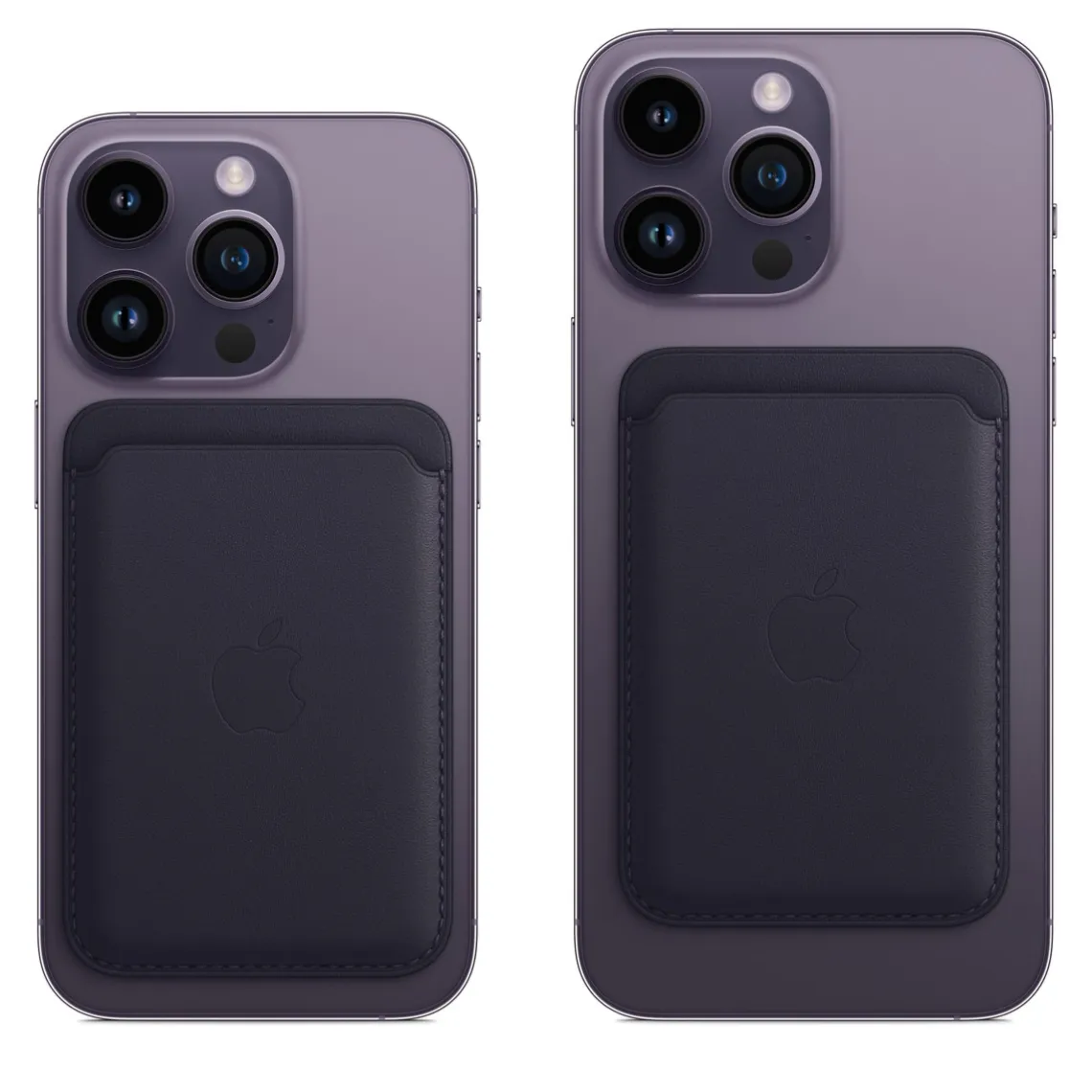
MagSafe Wallet is another use. It’s a small leather wallet that attaches to the back of an iPhone 12, 13 or 14.
Real leather
Open the package and you can smell the leather. It looks good, is well made and feels like a premium accessory. At NZ$100 a pop, it needs to.
The review Wallet is a dark chocolate brown. There are lighter brown options, a couple of dark greens and, oddly, an orange version. These colours may or may not match your iPhone.
It can take two credit cards or similar-size cards. One card could be your New Zealand driving licence, another might be your library card or a stored value card.
In use the cards are secure enough, they won’t slip out. If necessary, you can pull the Wallet off the phone and use the hole on the back of the Wallet to ease out the cards as needed. In testing the Wallet never became detached from the iPhone, the magnets are more than strong enough.
Travel lighter
The idea is that you can leave your home carrying nothing but your phone and door keys. The Wallet delivers on this, but the rest of the world struggles to keep up.
Ideally all the cards you need to function in modern New Zealand could be loaded on your iPhone in a software Wallet. You can do this with bank cards.
Overseas you might be able to add your transport card. That’s not yet an option here. Likewise you can’t yet put your driving licence in the iOS wallet app.
Add to that the fact that a ridiculous number of retail outlets don’t accept Apple Pay or phone-based transactions: you may need to carry a physical bank card to buy a litre of milk at the dairy.
For everyday life in 2023 New Zealand, many of us need to carry more physical cards than the two spaces in the MagSafe Wallet can handle. Lovely as it is and as clever as the idea is, the MagSafe Wallet will have a limited local market.
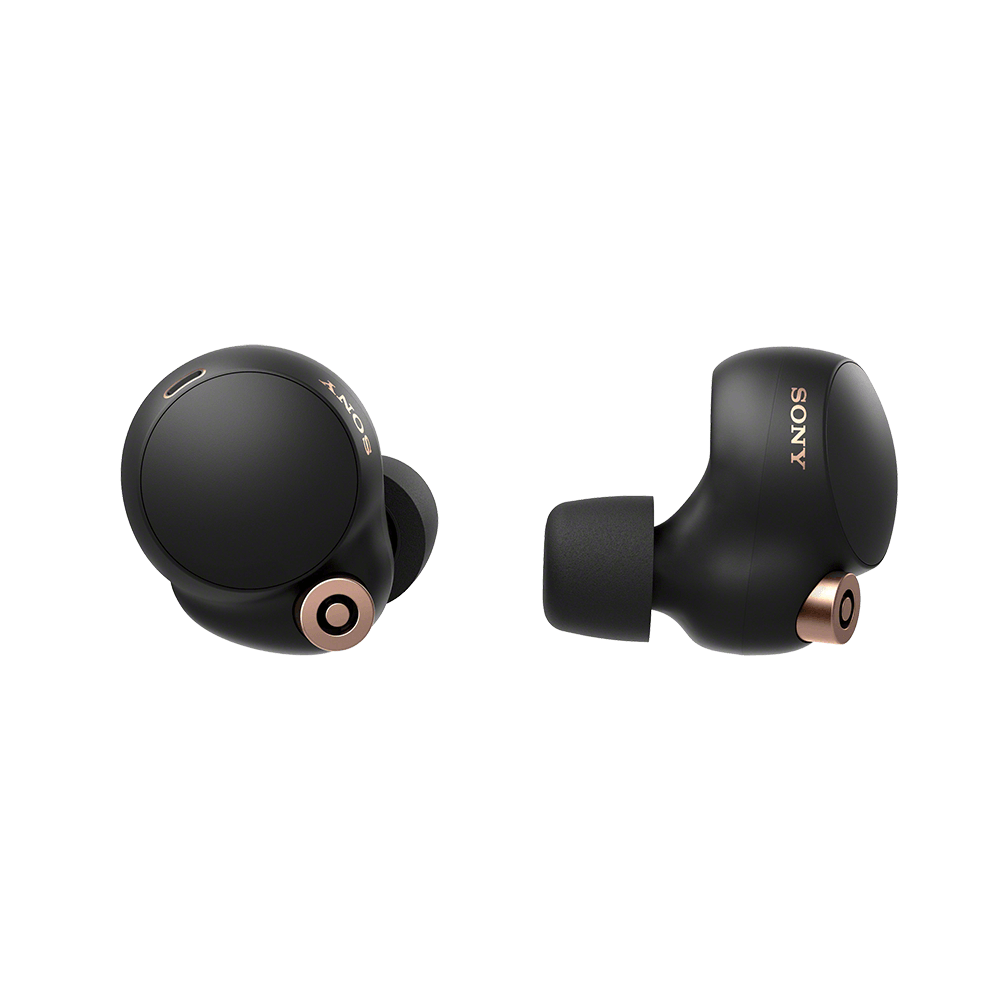
Sony’s WF-1000XM4 noise cancelling ear buds are a revelation. There may be ear buds with better sound quality and noise cancellation. But I have yet to hear them.
Sound quality and excellent noise cancellation comes at a price. At NZ$500, they are expensive. That is NZ$50 more than the price of Apple’s AirPod Pro. It could be more than you’d pay for a phone. What do you get for $500?
Size, design
Sony’s ear buds are bigger than AirPod Pros and heavier. In use they feel bigger and heavier. This makes them less comfortable, but not to the point that becomes an issue.
The WF-1000XM4 weigh 7.3g. With the charging case the total is around 41g. This compares to the AirPod Pro at 5.4g for the ear buds and 46g for the case.
Sound quality
That extra bulk is put to good use. Inside the ear bud are 6mm drivers that handle a wide frequency range. Sony has coupled these with its integrated V1 processor, it handles the music in real time.
The result is outstanding sound quality. You’ll get plenty of detailed sound. It’s hard to fault the quality. But if you don’t like what you hear first time, you can adjust the sound to better fit your tastes.
On my first try, I tested the WF-1000XM4 on factory settings against a set of corded studio monitor headphones. These have a flat response. I was listening to melodic house music and indie rock on Apple Music.
Sound Colour
It sounded great, but I could tell the ear buds added a few dB at the bottom and the top of the range. This makes them good for listing to modern music. Your taste may differ, but it felt like there is too much colour for softer classical music or jazz.
To fix this I turned to Sony’s Headphone Connect app. You would need to download this from the Apple or Google Play App Store. Here you will find a ‘sound’ tab. This takes you to an equaliser.
There are a series of presets which cover various types of music and two slots for you to customise the sound. This can all get fussy and tricky. Yet the software does a fine job of learning your tastes and needs and adjusting things.
Loudness
With other headphones and ear buds you often need to push phone, tablet or computer sound output towards the higher volumes to get the best quality.
In practice the WF-1000XM4 work best at around two-thirds to three quarters on the dial. Go higher and you may run into distortion. Likewise, the sound leaks at high volumes.
Noise cancelling
To make the most of noise cancelling, you need the ear buds to have a tight fit. Sony provides three sizes of tips and an app to help you get the best fit. I didn’t fly anywhere during the testing period. If I do, I’ll write an addendum to this post.
Instead I travelled around Auckland on a series of buses to give the noise cancelling a workout. For extra testing I worked for an hour in a noisy downtown coffee shop. There I barely heard a whisper as the barista hissed the espresso machine and called out orders. There was nothing to fault.
They do a fine job. When I read the marketing blurb, I suspected Sony might be talking up its noise cancellation. In use, the ear buds live up to the promise.
AirPods Pro comparison
If you are a committed Apple user, you might not choose the WF-1000XM4 in preference to the AirPod Pros. There are far too many Apple ecosystem advantages from staying with the brand.
AirPods are lighter, more comfortable and have terrific noise cancelling. That said, there’s no question the newer WF-1000XM4 beat Apple’s 18-month-old AirPods Pro on sound quality. They could be a smidgeon ahead on noise cancelling.
AirPods handle transparency and, so long as you have an iPhone, do phone calls better. The technology is improving fast. It will be interesting to see what Apple can do if it updates the Pods.
Minor niggles
The WF-1000XM4 ear buds arrived in a box that is 350 x 120 x 70mm. That’s a lot of packaging for ear buds. This compares with 100 x 100 x 50mm for Apple’s AirPods Pro. This may be special review packaging with consumers getting a smaller box.
If there’s an area of weakness it is the microphone. Sure, it isn’t important to talk in high definition sound in a phone call, but Sony is a distance behind Apple in this department.
The technology does a good job of capturing your voice among all the background hubbub, but it can make you sound robotic. It could be too much compression. Whatever the reason, it’s a minor negative.
Unless you plan to use your ear buds to make live radio crosses back to the studio, you can dismiss this as a problem. WF-1000XM4 comes in a white version and a black version with copper coloured highlights. No-one would mistake either for AirPods.
Verdict – Sony WF-1000XM4
If you don’t live in Apple’s world and you’ve got the budget the WF-1000XM4 ear buds would have to top your list. They tick the important boxes: sound quality, noise cancelling and enough battery life for a flight from New Zealand to Europe.
Dragon Anywhere is a speech-to-text dictation app for iOS that can transform how you work. It’s a version of Nuance’s Dragon speech recognition software.
It needs to deliver: an annual subscription costs a NZ$240.
At that price, Dragon Anywhere is not a buy, try, forget app store experiment. It’s a significant investment. It needs to earn its keep.
Worth the money?
For some people, Dragon Anywhere will be worth every penny. Accurate speech-to-text software can unpack new levels of productivity. Yet not everyone will see a return on the investment.
If you already use desktop dictation software, you’ll have an idea of what Dragon Anywhere can do.
Being able to dictate text to an iPhone is a bigger deal than it might sound at first hearing.
The designers made the iPhone for dictation. Writing on a tiny glass keyboard is a challenge if you want to do anything more than send a text or a tweet.
It also means you can replace desktop dictation with your iPhone. Given that your phone goes everywhere you do, it means you can produce text almost anywhere. This explains the product name.
You could, for example, write while in the back of a car or lounging in bed. In practice using the iPhone for dictation feels more natural than using a desktop or laptop Mac.
Anywhere
Mobility is important, because ideas do not work nine-to-five in an office. Your writing muse can turn up unannounced at any time. With Dragon Anywhere you can jot down your ideas as they appear. There’s no need to hunt around for a computer or a pen and paper.
Your phone is already your most important computer. Dragon Anywhere takes that further. Depending on how you work, you may be able to ditch the desktop altogether. Although if you don’t want to, Anywhere integrates with Nuance’s desktop dictation applications.
If Dragon Anywhere save you buying a new computer, the subscription starts to look like a bargain. Even if you don’t go that far, your typewriter keyboard may gather dust.
Dragon Anywhere works where there’s a connection
The software doesn’t quite work anywhere. Dragon Anywhere calls on Nuance’s cloud resourced to work its magic. That means you can only use it when you have a live internet connection.
It sips data. You might run through a megabyte or so dictating thousands of words. After an hour’s use, my data consumption was still measured in hundreds of kilobytes.
The phone to cloud round trip is fast. Speak a sentence or two, pause and the text is there on screen. It takes seconds. I found I couldn’t dictate fast enough to get ahead of the cloud connection.
In other words, you can use Dragon Anywhere while you’re on the move. If you have anything but a minimal data plan you can use it without counting the bytes or hunting for WiFi.
Nuance says it encryopts connections, so criminals can’t listen in on your dictations.
How well does Dragon Anywhere perform?
The performance is impressive. I used it to write a first draft of this review. From the first words I uttered it was catching almost everything without error.
The software stumbled over the word iOS in the first sentence. To be fair, it’s a specialist word. If you think of how you say the name: eye-oh-ess, not picking it up it understandable.
User error
It wasn’t the software that stumbled in the second paragraph. I can take the blame for not figuring out how to say NZ$240 in a way that made my meaning clear. Put this down to user error.
The third sentence was perfect.
Out of the first hundred words, Dragon Anywhere got everything except iOS right. That’s impressive. Remember this was my first try of the software. The software had not encountered my voice or accent before.
In practice it learns as it goes along. To see how this worked I read the words again and this time Dragon Anywhere scored a perfect 100 percent. It understood iOS. The software understood my speech far better than Apple’s Siri.
If you make an error, fixing your text is easy. The only barrier is that you have to memorise instructions. In most cases the words are obvious, you don’t need to guess them. Some take a little practice.
I ran into a problem with some New Zealand place names. That’s understandable. Dragon Anywhere allows you to add custom words to the system which gets around the problem after some training.
The productivity question
If you notice, I hedged my words when I said the software could be worth the money. Likewise when I said it may transform how you work or make you more productive.
That’s because, good as it is, speech recognition is not for everyone. In my experience it takes longer to dictate stories than to type them. I also find I struggle to compose while speaking. This could be down to 40 years of touch typing. With practice my dictation speed might improve.
There are also times where I need to write and dictation isn’t the best tool. Writing on a train, an airplane or somewhere public would be too much for everyone else.
If you find typing is difficult or run into overuse problems, then it’s a godsend. If you think by speaking, you’ll love it.
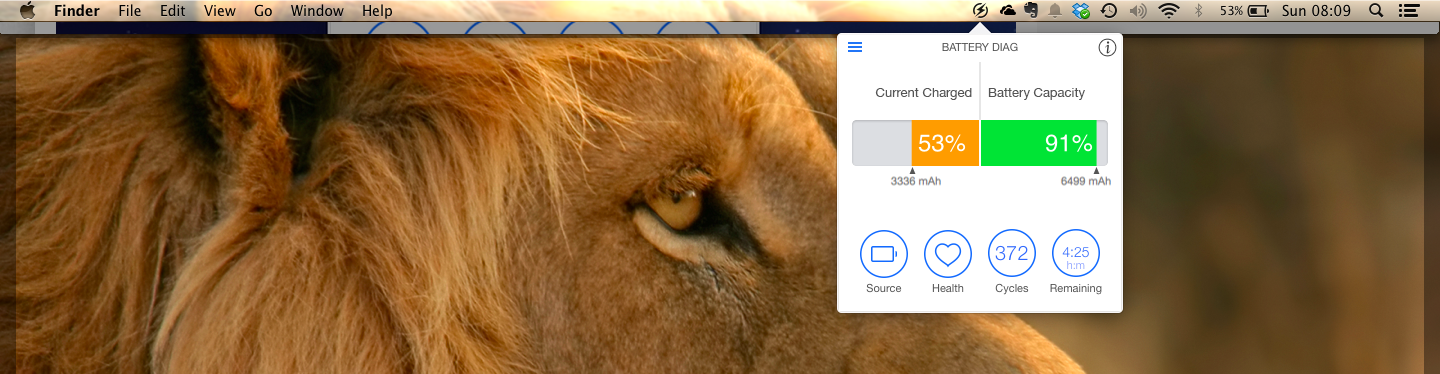
Battery Monitor was previously called Battery Diag. There was a review of the app on my main site that was posted in May 2014. This is an updated version. The photo shows the 2014 version of the app. It has barely changed its look in the past 11 years and most of the changes since 2014 are either bug fixes or necessary updates to keep up with operating system changes. Here’s an updated look at the software.
Still useful in the age of all-day batteries
Ironically, because the modern Apple MacBook Air has a longer battery life than earlier laptops, there’s a greater need to know how much juice is still in the tank.
That may not make sense at first until you realise that in the old days you were always at the point where there was no much power left. You were never that many minutes away from needing a top-up. Range anxiety was permanent.
When the original version of this review was posted in 2014, a MacBook Air battery gave about ten hours of use. That was a huge leap, previously you might have managed four or five hours. Today, an M4 MacBook Air can go all day on a single charge.
With so many hours of computing from a single charge, it’s easier to lose track of how much is left.
Compact and lightweight
Battery Monitor from the Mac App Store is free and visually attractive. It has a design that echoes earlier versions of the iOS design found on iPads, iPhones and, surprisingly, Westpac bank’s web site in the years around 2014. That said, it still looks modern and not remotely out of place on a 2025 MacBook.
The app runs in the menu bar, so you can get at it quickly, it sips resources and stays out-of-the-way until needed.
Having Battery Monitor and the MacOS Battery icon on the menu bar at the same time is odd. You can turn the official Apple icon off from System Settings.
Readouts and reporting
Click on the menu bar icon to get a report on the amount of power left both as a percentage and as a time estimate. There’s also an indicator showing the state of battery health and number of charge cycles. Further information, including battery temperature and power usage is hidden behind an I icon.
The time remaining estimate can be misleading. The number is based on your recent use and current environmental conditions. If you change what you are doing, the actual amount of time left can change significantly. Think of it as a suggestion, not a hard and fast limit.
The clever bit is that if you’re running out of juice, you can tinker with your open apps and usage to trim the power drain and extend the time remaining.
Acronis True Image 2021 promises to keep your data safe for around A$100 a year. It protects PCs and Macs from disasters, accidents, criminal attacks and ransomware.
What is True Image?
True Image started life as a back-up application. The name refers to the way it creates a copy or an image of your computer data on an external hard drive or cloud server.
Two years ago Acronis added security features adding ransomware protection to back-up. The most expensive version of the software included blockchain certification. I’m not convinced that is necessary. Yet there are those who find it useful.
The 2021 version of the software adds more protection. Acronis says it deals with malware, malicious websites and code injection. There’s a new antivirus scan.
All this means the security software has to work in real-time.
There’s the timely addition of protection from videoconferencing interference. This is a threat that emerged during the Covid-19 lockdown. The feature is not included in the MacOS version.
In effect, Acronis repackaged its enterprise security technology for individuals and small businesses.
One user interface
Having back-up and security controlled by a single user interface simplifies the two processes. That’s important. Many small business buy back up and security then fail to make the most of them because it’s difficult.
True Image 2021 has a clean, straightforward interface. This hasn’t changed since the True Image 2019 review written more than two years ago.
It’s not immediately obvious how everything works, but it is easy to learn. The trick is to mouse your way around the user interface and try all the options.
Once you’re done, you can leave True Image to work without day-to-day intervention, although it is likely you will need to revisit the app.
Testing True Image
I tested it on an iMac. Here it adds an icon to the menu bar. Unlike other MacOS apps, this is not a menu, instead it shows notifications. There is an option to open the app’s main screen from here.
Back-up remains the focus. You can create images of entire drives, partitions, folders or even individual files. True Image can back-up your network drives and add back-ups for your mobile phone or tablet.
There are options to do a full back-up, this can take a long time, or to do a differential back-up. This means backing up everything that changed since the last back-up.
Back-up options
You control the back-up frequency. Options range from monthly, which I’d regard as “why bother”? all the way to hourly.
The default is daily. There’s a twice daily option which I’ve set to back-up about half way through my working day and then late at night. That way I’m never going to lose more than a few hours work.
More frequent back-ups are possible, but this can tie up resources.
There are options to remove older back-ups when you are running out of space on your target disc. You can do this manually or leave it to the software. You can also set up validations.
Pricing
There’s a basic A$70 subscription that doesn’t include cloud back-up. You’ll need a local or network drive. Acronis does not appear to allow you to use alternative cloud storage.
The A$98 Advanced plan includes 500GB of cloud back-up storage. There is a A$140 plan with a terabyte of storage. These prices are for one computer.
Acronis’ per computer price drops if you add more, but you don’t get more cloud storage.
This complex price structure is strange given that everything else about True Image 2021 works to hide complexity. I’m concerned that buyers can end up buying more than they need, or not enough.
Back-up updates
There are updates to the way True Image handles back-ups. It no longer duplicates data if a back-up is interrupted, say if you lose your connection. Instead of restarting and doing the whole back-up again, it picks up from where it left off.
While testing I ran into a couple of interesting observations. First, there may be times when you want to turn off protection. I did this when bittorrenting a copy of LibreOffice 7 for review.
True Image’s security stopped my bit torrent client from working. Fair enough. To allow it through I paused the software, then forgot to restart. The next morning an email arrived telling me the scheduled back-up failed.
This is excellent. It’s easy to forget to switch back on and leave yourself without back-ups or protection. Getting a non-intrusive reminder is the best way of fixing this.
Safe replication
Likewise, after first installing the application, I chose to make a replica of my Mac hard drive using the Acronis Cloud. All good. Then I swapped out my home WiFi router for a D-Link WiFi 6 router.
The router remained installed. When I went to update the drive replica, True Image responded with a message saying replication would restart after I connected to an approved Wi-fi network.
This protection would stop True Image from automatic drive replication when, say, a laptop connects to public WiFi. It takes a couple of clicks to resume replication with a new router.
True Image’s replication will wait until the everyday back-up is complete. It handles tasks one-by-one, not in parallel. This is useful on slower connection.
Fast, if your network is fast
Cloud back-ups are fast. I have a gigabit fibre connection, my WiFi 6 router is the bottleneck. It can clock speeds of over 500mbps. On my set-up, when True Image connects to the Acronis Cloud the reported speed fluctuates from around 100 mbps up to over 200 mbps.
Back-up times vary. The time indicator on the user interface gives a rough guide, but don’t take it seriously. It warned me a full drive back-up of 340 GB would take 52 minutes. I left it running and checked 30 minutes after starting to find it had finished.
Incremental back-ups of around 200 MB take a couple of minutes. Again, the times reported on the user interface can be misleading. The ‘less than one minute’ turned out to be a few seconds over two minutes.
Early back-up software, including earlier versions of True Image, could hurt system and network performance. I found this year’s edition of Norton LifeLock ties up all system resources when in full flight and then some. That is another story for another time.
True Image 2021 has no noticeable impact on performance. Automated back-ups can happen while I’m on a Zoom call and I’d never know. I haven’t seen a spinning Mac beachball while using True Image. This is in part down to plenty of headroom on a fibre connection and WiFi 6 local network, but, as mentioned, Norton struggles with the same resources.
Acronis True Image 2021 verdict
I can’t think of any other application that combines back-up and security in the way True Image does. The price is on a par with buying separate applications to do the two jobs.
You won’t need to pay for Acronis back-up and a separate security suite. You won’t need to learn two user interfaces. This is important if you don’t have full time IT professionals to call on for help.
Getting both back-up and security in a single integrated package from one source simplifies both.
Today, True Image is comprehensive to the point of providing more protection than everyday users or small businesses need.
It could be overkill for your needs.
If your data is precious or your work makes you a security target you should consider True Image.
If you handle other people’s data it could be essential. It makes sense if you work for a company or agency that requires high levels of security. Choose it if losing your data for more than a few minutes will cost you money.
Editor’s Note:This review was originally published in April 2022 on billbennett.co.nz. While the hardware remains in use by many, the software, particularly Windows 11 and its AI integration, has evolved significantly since this was written. This post has been moved here as part of a site archive.
For:
Great touch screen, keyboard, trackpad. Versatile design.
Against:
Expensive, lacks top end models for toughest workloads
Maybe:
Windows 11. Battery life good compared with other Windows devices.
Verdict:
Great desktop or mobile choice for on the move creative professionals. Innovative thinking.
Rating:
4.5 out of 5
Price:
From NZ$2700
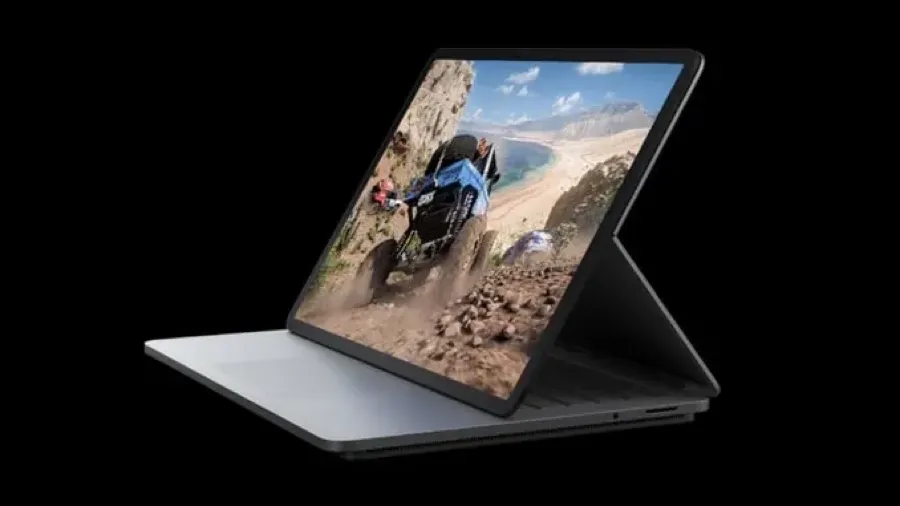
Closed, the Surface Laptop Studio resembles other Surface devices. It’s larger, but otherwise familiar.
Microsoft etched its shiny four squares logo on the brushed metallic top of the laptop. That way everyone watching knows you are using a Surface.
A hinge across the top looks similar to the kickstand you’ll find on Surface Pro tablets.
Elegant, minimal
Open the lid and the keyboard and touchpad will remind Apple users of an old school MacBook Pro. It is all about elegance and minimalism. There are no annoying, embarrassing stickers boasting about what is inside.
The LCD touch screen looks great from the moment it lights up. At 14.1 inches with a few mm of bezels, it is a generous size for working or playing on the move. A high 120Hz refresh rate adds to the classy look and feel.
It’s hard to find a bad display on any device that aspires to be more than a basic bargain basement workhorse. Yet, this is good. You may not always be conscious of the high refresh rate, but you’ll notice it immediately if you look at a similar size screen with a slower rate.
Transformer
Fiddle around with the open laptop for a moment and you will find that the screen swings away from the laptop lid along that hinge line we mentioned earlier.
This hinge may be a simple innovation, but it is what puts the Surface Laptop Studio in a class of its own. It turns the Laptop Studio into a more modern, upmarket take on the hybrid device idea.
Magnets in the lid and elsewhere on the case help you position the screen in a range of positions. That way, the laptop transforms into other Windows 11 devices.
Stage mode
There’s what Microsoft calls the stage mode. You could use this to watch videos. It works well for Zoom or Teams calls.
There’s a reverse position which has the screen pointing away from you. This may be useful for giving presentations to a small audience
You can fold the screen all the way down. This, in effect, reverses the lid position and turns the laptop into a thick and heavy large screen Windows tablet.
At 1.8 kg and 20mm deep, the Surface Laptop Studio makes a hefty, thick tablet. Your arms will tire if you hold this for a long time. Mind you, the 14 inch screen is larger than you’ll find on other tablets. This makes direct comparison with, say, a ten-inch iPad, meaningless.
Studio
There’s a variation on this known as studio mode. You might use studio mode to sketch or write on the screen with Microsoft’s optional Slim Pen 2 stylus. In effect it turns the computer into a giant drawing tablet.
Artists and designers will find this handy. Whether you find these screen positions useful is another matter.
At first it takes a conscious effort to use them, we have become conditioned to using laptops in certain ways. During the short review period it never felt natural using these modes, that might change over time.
And that’s the nub of the Surface Laptop Studio. Its signature feature is not for everyone.
Fan base
The extra thickness is, in part, down to the curious design of the base. It is smaller than the size of the rest of the case. It is where the CPU and the graphics processor live and there are fan vents at both ends.
When you push the computer hard, the fan will kick in. You can hear it working, it’s not silent, but nor is it noisy. You won’t be distracted and the sound should not interfere with video calls.
The fact that the Laptop Studio needs a fan underlines how much Microsoft’s rival, Apple, has moved ahead of Intel processors.
CPU power
Microsoft uses an 11th generation Intel Core i7 in the review device. This is as good as it gets in the Intel world. There is a cheaper model with a Core i5 processor.
Intel’s i7 is more than powerful enough for everyday users. Even the majority of power users will be satisfied. Unless you run the most demanding applications you will not want for computer power.
Yet it is no match for the processors in Apple’s current laptops and high-end tablets.
Graphics processor
Microsoft includes the NVIDIA GoForce RTX 3050 Ti graphics processor in the review model. The cheaper version of the Laptop Studio uses Intel Iris X.
The graphics processor and CPU quickly get hot if you push the hardware. That’s not going to happen if you use the device for business applications, mail, web surfing and Zoom calls.
If you play games it is another story. It was noticeable during the device set up that Microsoft encourages users to sample its game playing services.
Maybe Microsoft does that with every device it sells, yet this would be the Surface device that delivers the best gaming experience.
Powering through tasks
In testing, the i7 version of the Surface Laptop Studio was more than the equal of any conventional business application. It handled photo editing tasks with ease.
Although Microsoft’s marketing describes the Laptop Studio as ‘workstation class’, that’s pushing it.
Running high end workstation apps is beyond the scope of this review, but looking at the specification, the device might struggle with heavy duty video work.
You’ll find workstation class laptops from rival brands that sell for a similar price to the Surface Laptop Studio, but offer more raw power.
Battery hog
It was noticeable that high-end work is greedy for battery power. Use the Surface Laptop Studio for everyday work and you might get ten hours on a single charge. There would be fuel left in the tank after a normal day’s work.
This is a long way behind the latest Apple MacBook Pro models that sip battery power and can run for 14 hours on a charge.
Things get worse fast if you perform tasks where the fan kicks in. When you can hear its gentle hum you know you’ll be lucky to get four hours before hunting for a power socket.
Speakers, keyboard, touch pad
Two other hardware features are worth mentioning. The speakers are surprisingly good considering the engineers had little room to work with. You’d need external speakers for serious audio editing work and fussy listeners might prefer to hear music delivered that way. Otherwise, your ears will be happy.
Microsoft has included a first rate keyboard. This is one area that laptop buyers can overlook. Once you’ve got past the novelty of a new computer and its power or features, you can often end up feeling frustrated by a less than perfect keyboard. This can be even more the case if you buy a tablet with a keyboard like, say, the Surface Pro.
The haptic touchpad is equally excellent. It is as good as anything you’ll see from Apple. This has not been the case with Surface devices in the past.
Microsoft missed a trick not including an SD card slot. That would be helpful for the creative market the laptop aims to serve.
Windows 11
As you’d expect, the review Laptop Studio was delivered with Windows 11.
Thankfully Microsoft avoids the bloatware that Windows rivals unhelpfully pack with their hardware. The only preloaded software is a trial version of Microsoft Office. This is hardly an imposition. Almost every Surface Laptop Studio buyer will want Office.
Microsoft’s Hello face recognition works as before. It’s a better way of logging in. While the hardware impresses, Windows 11 itself remains questionable as an upgrade for most users.
Firing up Windows 11 for the first time took the review computer into Microsoft’s tiresome, but essential software update process. It was a full 20 minutes before the computer was ready to work and that is on a gigabit internet connection. If you have a slower link, don’t expect to open the box and get started straight away.
Handwriting recognition
It took a while to realise that Windows 11 has improved handwriting recognition compared with earlier versions of Windows. This makes the various modes more useful than they might otherwise be if you buy the optional NZ$200 Surface Slim Pen.
Like the Touchpad, the Slim Pen has haptic feedback which makes writing on screen feel like a pen on paper. It’s impressive, but not essential for productivity.
Bold move
Surface Laptop Studio is another bold, you might even say brave, hardware move from Microsoft. The software and cloud company shows it remains determined to push the device design envelope.
This strategy doesn’t always work. Surface Duo was ridiculous and the early Windows RT tablets flopped.
Yet, in a sense, that’s the whole point of Surface. Microsoft got into the device business ten years ago because it wanted to push its Windows hardware partners into more innovation, more risk taking.
Sans Microsoft
In passing it is worth mentioning that Microsoft no longer brands its hardware as “Microsoft Surface”. It is letting the name stand on its own. There’s more distance than in the past. While this would make it easier to sell the division in future, it looks as if the idea is more about giving the brand more meaning.
Surface devices don’t sell in huge numbers compared with hardware from HP, Lenovo, or that elephant in the room: Apple.
In round numbers Surface accounts for about four percent of US device sales and a lower share of worldwide sales.
Where Surface fits
The range does make money for Microsoft, but is dwarfed by the company’s cloud, enterprise software and personal software business. This could change if Surface stumbles over a hit product.
Surface’s more important role is laying down important markers and staking out turf. Microsoft doesn’t say as much, but it’s clear it wants to show it can go head to head with Apple with innovation. Or at least prove it in the same league.
Surface Laptop Studio verdict
Despite the versatility, Microsoft’s Surface Laptop Studio is not hard to use or understand. Its ability to shapeshift may be essential for a niche creative audience, but it will have broader appeal, for novelty value if nothing else.
There’s no question the Laptop Studio is expensive. Prices start at NZ$2700, you can pay NZ$5350 for a fully-loaded model with 2TB of solid state storage, 32GB of Ram and the top-of-the-line CPU and graphics.
Microsoft wants a further NZ$200 for the Slim Pen. That’s outrageous. At these prices the pen should be bundled. That said, at least you don’t have to dig deeper to buy a keyboard. That’s annoying when you buy a Surface Pro.
The problem potential creative buyers face is the money you’d pay for a Surface Laptop Studio can buy a more powerful workstation class system. Go that route and you won’t get the portability or the versatility, you will power through your work faster.