In September 2024 I returned a review iPhone 15 Plus and pulled an eight-year-old iPhone 7 Plus out of a cupboard. How did that work out?
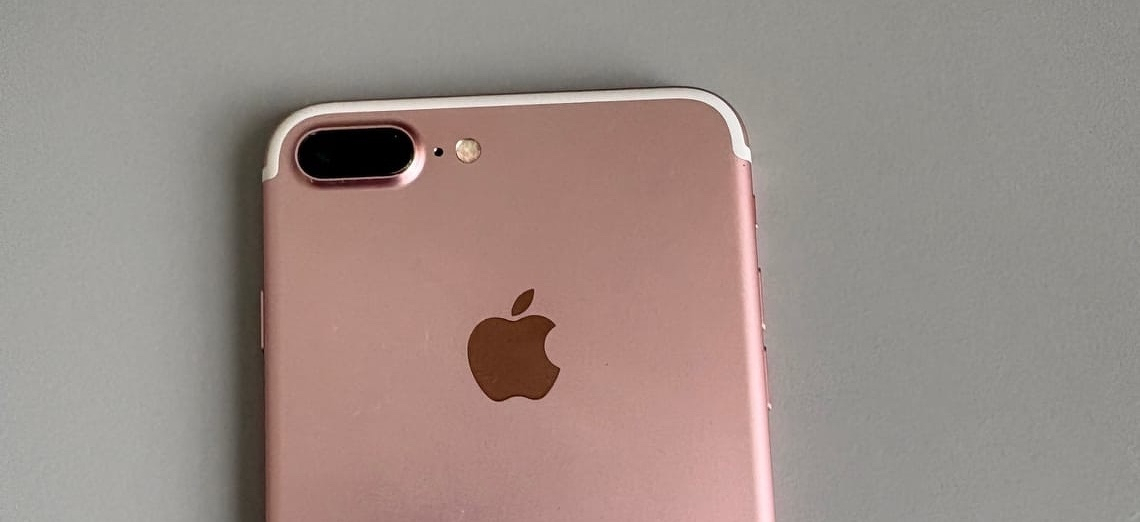
Living with an eight-year-old iPhone
✓ Hardware still handles basic tasks
✓ Battery can last a work day, just
✗ App compatibility is the biggest problem — stuck on iOS 15
✗ Modern screens are a major step up
Verdict: Workable for light users, but expect app frustrations.
The plan was simple: see how well a 2016 flagship copes in 2024. The iPhone 7 Plus became my main phone for two months.
It performed better than expected, but there were frustrations. In the end, I upgraded to an iPhone 16 Plus.
Today’s bigger displays matter
The biggest change is the screen.
Moving from 5.5 inches to 6.7 inches does not sound dramatic, yet the newer phone offers far more usable space. The difference is obvious within minutes.
Compared with that, most other improvements feel marginal.
Software is the real problem
The iPhone 7 Plus is stuck on iOS 15. It runs iOS 15.8.1, which remains secure enough and performs well.
The problem is app support.
Many apps no longer run on iOS 15. When I flew to Wellington, the Air New Zealand app would not update. I had to use a paper boarding pass.
That alone is manageable. The wider issue is that more apps are dropping support. During my test, one of my regular apps updated and stopped working.
That was the turning point.
What I did not miss
Some newer features are easy to live without.
Face ID is more convenient than Touch ID, but not essential. Wireless charging is useful, but I rarely depend on it.
Carrying a Lightning cable when travelling is a minor inconvenience.
Performance and battery
On paper, modern chips are far ahead. In practice, I noticed little difference for everyday tasks.
That says more about how I use a phone than about the hardware.
Battery life is more of an issue. The iPhone 7 Plus can last a long day, but only just. I was more cautious than usual.
Newer iPhones remove that concern.
The phone lacks 5G, but this was never a problem. For everyday use, there is little noticeable difference between 4G and 5G performance.
Camera: good enough
Newer phones have far better cameras. The difference on paper is huge.
In practice, the iPhone 7 Plus camera is still good enough for everyday use.
If anything, I preferred the simpler image formats. Photos were easy to send without conversion.
This helped clarify my thinking. I did not need to pay extra for a top-end camera phone.
Update: January 2026
More apps have dropped iOS 15 support since late 2024, especially social media.
Apple has continued to issue security updates. The latest, iOS 15.8.5, arrived in September 2025.
These are now maintenance updates. Full support has effectively ended.
The phone still works, but its usefulness continues to decline.
What this taught me
The hardware has held up well. At a stretch, I could live with the smaller screen and older design.
Software is the limiting factor.
An eight-year-old iPhone is close to the end of its useful life if you rely on apps. A six-year-old model would fare better.
What should you buy instead?
If you already own an iPhone 7 Plus, you can keep using it for light tasks.
If you are buying used, there are better options:
- iPhone XR (2018): Larger screen and longer software support. Often priced similarly.
- iPhone 11 (2019): Still well supported with a much better camera. Expect NZ$300–400.
- iPhone SE (2nd generation, 2020): Smaller, but faster and more capable. Also around NZ$300–400.
If you need a reliable everyday phone, it is worth choosing a newer model.
